Rising Geopolitical Tensions Threaten Pakistan's Economic Stability Through Oil Price Surge
Synopsis
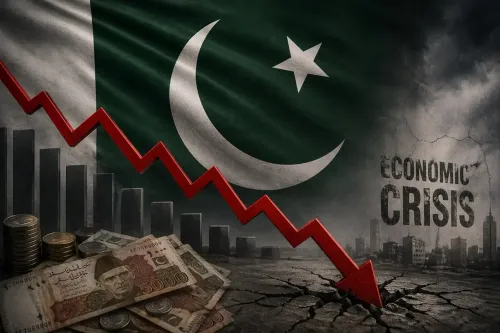
Amid escalating geopolitical tensions in West Asia, Pakistan faces significant risks to its economic stability due to soaring oil prices. With heavy reliance on imports, the country's energy security is increasingly under threat, as detailed in a recent report.
Key Takeaways
Pakistan's economy is heavily reliant on imported oil.
A significant rise in global oil prices poses risks to energy security.
Strategic reserves in Pakistan are limited.
Disruptions in oil supply routes could lead to economic instability.
Proactive energy diversification is crucial for long-term stability.
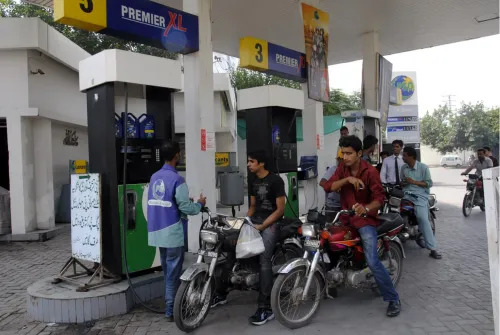
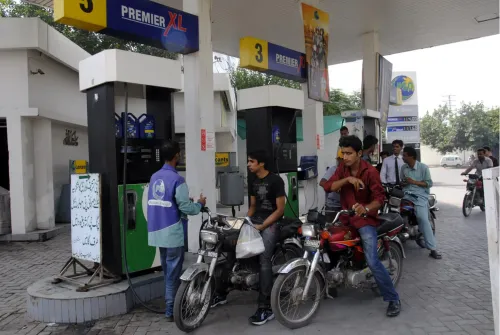
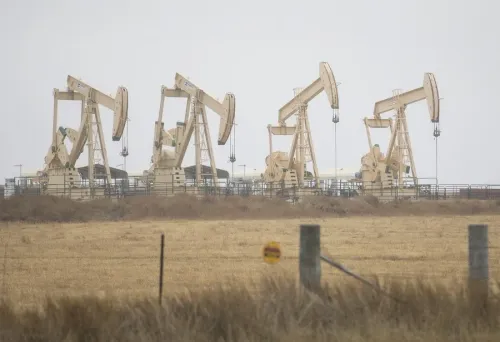
New Delhi, March 20 (NationPress) A considerable spike in oil prices—driven by escalating geopolitical conflicts in West Asia—has triggered alarms regarding energy security and the economic sustainability of import-reliant Pakistan, as highlighted in a recent report.
As noted by Business Recorder, the ongoing strife has heightened fears regarding the safety of the Strait of Hormuz, a crucial shipping lane responsible for nearly 20 percent of the global seaborne oil trade.
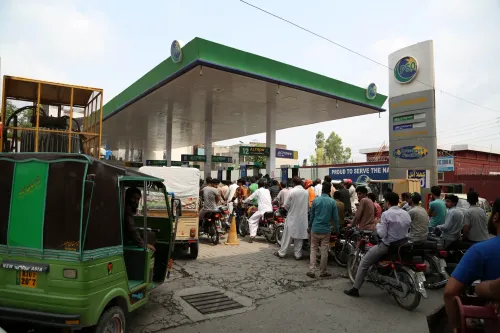
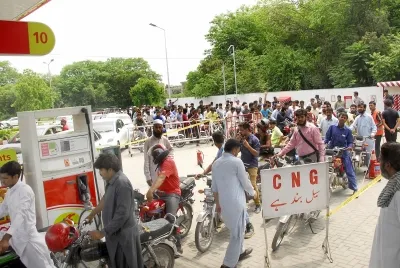
Pakistan is particularly exposed due to its significant dependence on imported energy.
Over 80–85 percent of the country's oil imports are sourced from Gulf nations like Saudi Arabia, the UAE, and Kuwait, with these shipments passing through the Strait of Hormuz.
Additionally, petroleum products constitute nearly 30 percent of Pakistan's overall imports.
The report indicates that a $10 increase per barrel in global oil prices could escalate Pakistan’s annual import expenditure by $1.8-2 billion.
A sustained interruption, such as a three-month closure of the Strait of Hormuz, could inflate monthly import costs to $3.5-4.5 billion and push inflation rates to 15-17 percent.
Moreover, rising freight and insurance expenses could further exacerbate the trade deficit and deplete foreign exchange reserves.
Pakistan's energy safety nets are minimal, with strategic reserves sufficient for just 10-14 days of consumption.
In contrast, India possesses more robust reserves and foreign exchange buffers, enhancing its ability to withstand external shocks, according to the report.
The report also cautioned that any sudden surge in oil prices could derail Pakistan's economic recovery, broaden the current account deficit, and accelerate inflation, especially as the nation seeks to stabilize under an IMF program.
Crude oil prices have seen a dramatic rise amid geopolitical unrest. As the conflict in West Asia reached its 21st day, Brent crude surged nearly 40 percent, climbing from $77.74 on March 2 to $108.65 on March 19. Similarly, US WTI crude futures increased by 31.91 percent.
Point of View
The report highlights a pressing issue for Pakistan, emphasizing the urgent need for energy diversification to safeguard the economy against external shocks. With the country’s heavy dependence on oil imports, proactive measures are essential to enhance energy security and stabilize economic growth.
NationPress
27 Sept 2026
Frequently Asked Questions
What factors are driving the increase in oil prices?
The surge in oil prices is primarily due to escalating geopolitical tensions in West Asia, particularly concerns over the safety of key shipping routes.
How vulnerable is Pakistan's economy to rising oil prices?
Pakistan is highly vulnerable as it imports over 80% of its oil, making it susceptible to fluctuations in global oil prices.
What impact could a prolonged closure of the Strait of Hormuz have?
A prolonged closure could lead to a dramatic increase in monthly import costs and significantly raise inflation rates.
How does Pakistan's energy reserve compare to India's?
Pakistan's strategic energy reserves cover only 10-14 days of consumption, whereas India has more robust reserves and foreign exchange buffers.
What are the broader economic implications of rising oil prices for Pakistan?
Rising oil prices could derail economic recovery, widen the current account deficit, and accelerate inflation, particularly under the IMF program.