CM Sai's Office Marks Hareli Tihar With Agrarian Tribute
Synopsis
The Chief Minister's Office of Chhattisgarh marked Hareli Tihar on 13 August 2026 with a Chhattisgarhi folk verse praising CM Vishnu Deo Sai's governance and honouring farmers, cattle, and the plough — the cultural pillars of the state's oldest agricultural festival.
Key Takeaways
The Chief Minister's Office of Chhattisgarh posted a Chhattisgarhi folk verse on 13 August 2026 to mark Hareli Tihar .
Hareli Tihar is Chhattisgarh's oldest agricultural festival, observed in the Shravan month, involving worship of farming tools and cattle.
The verse praises Chief Minister Vishnu Deo Sai 's governance and invokes imagery of farmers' happiness and reverence for the cow.
The post was written in the Chhattisgarhi dialect, signalling direct outreach to rural and tribal communities in their own tongue.
Vishnu Deo Sai has served as Chief Minister since December 2023 and is the BJP's first tribal Chief Minister of the state.
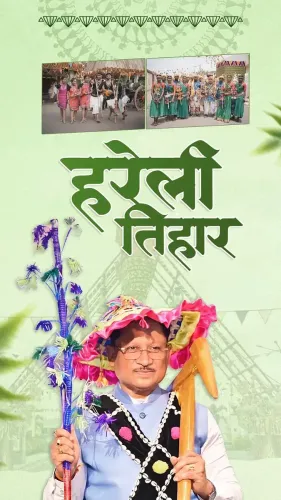
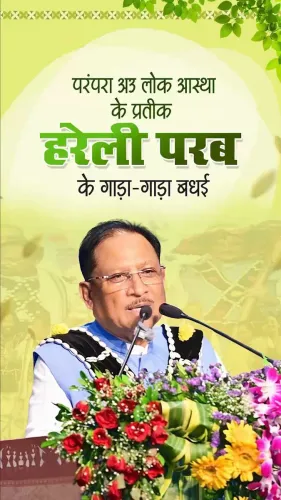
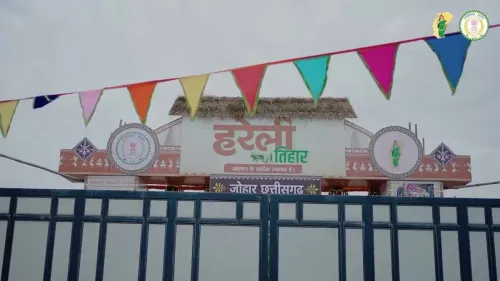
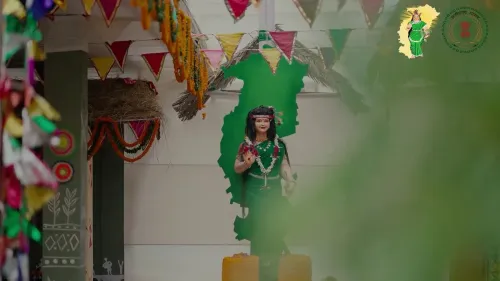
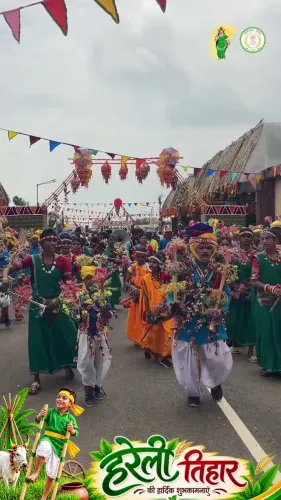
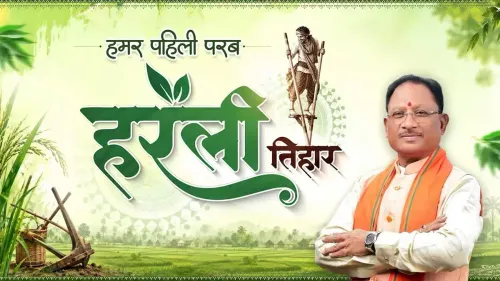
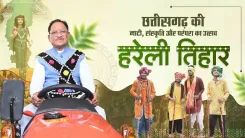
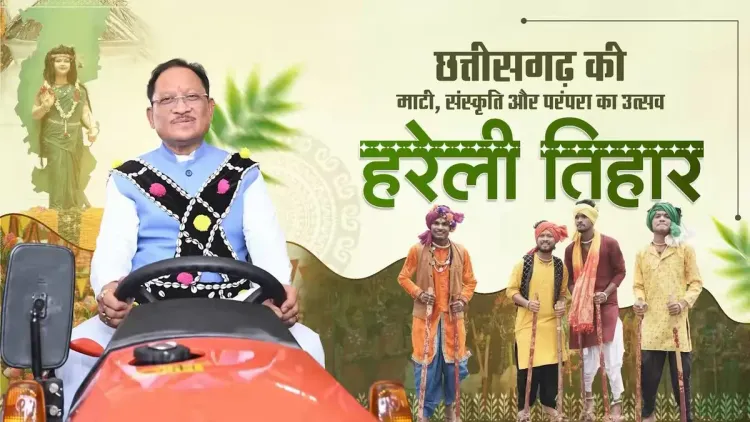
Fields, cattle, and the ancient rhythm of the plough took centre stage on Thursday, 13 August 2026, as the Chief Minister's Office of Chhattisgarh marked Hareli Tihar — the state's oldest agricultural festival — with a devotional folk verse honouring farmers and the land they tend.
The post, shared in the Chhattisgarhi dialect, opens with a lyrical salute to Chief Minister Vishnu Deo Sai's governance — 'Vishnu bhaiya ke sushasan he' ('This is Vishnu brother's good governance') — before pivoting to the imagery that defines Hareli: the worship of the plough, the feeding of the cow, and smiles spreading across the faces of farming families.
What Hareli Tihar Means in Chhattisgarh
Hareli Tihar, observed each year during the Shravan month of the Hindu calendar, is the first major festival of the Chhattisgarhi year. Farmers consecrate their agricultural tools — the plough, the sickle, the hoe — and offer prayers to cattle before the paddy-sowing season peaks. The festival carries deep cultural weight in a state where a significant share of the population depends on rain-fed agriculture and where tribal and rural traditions remain central to public life.
Chhattisgarh administrations across party lines have long used Hareli imagery to signal solidarity with the agrarian majority. For Chief Minister Vishnu Deo Sai, who took office in December 2023 as the Bharatiya Janata Party's first tribal Chief Minister of the state, the festival carries an added layer of cultural resonance — a bridge between governance messaging and lived rural identity.
Folk Verse as Political Register
The CMO's choice of a folk-song format rather than a standard press statement is deliberate. The verse invokes 'mahataari ke vandan' — reverence for the mother, a layered phrase that simultaneously nods to the land, to cattle (gau mata), and to the state's own 'Mahtari Vandan' welfare scheme for women. The imagery is warm and ceremonial; the political signal — that the Sai government sees itself as rooted in Chhattisgarh's agrarian soul — is unmistakable.
State governments across India routinely use regional harvest festivals to project cultural affinity on official platforms. What sets Chhattisgarh's Hareli communication apart is its insistence on the vernacular: posting in Chhattisgarhi, not Hindi or English, speaks directly to rural constituencies in their own tongue.
As the monsoon deepens and paddy fields fill across the Chhattisgarh plains, the festival is a reminder of what the state's economy still rests on — and what every government here must be seen to honour. The plough gets its one day of worship; the farmer's year has only just begun.
Point of View
Not merely its policy priorities. For a BJP government that came to power partly on a tribal-identity platform, anchoring Hareli messaging in Chhattisgarhi dialect rather than Hindi reinforces the Chief Minister's own tribal roots and keeps the party's agrarian coalition warm ahead of future electoral cycles. The broader pattern — state governments co-opting regional harvest festivals for governance branding — is well-established across India, but Chhattisgarh's consistent use of the vernacular gives it a texture that standard Hindi press releases cannot replicate.
NationPress
13 Aug 2026
Frequently Asked Questions
What is Hareli Tihar and why is it celebrated in Chhattisgarh?
Hareli Tihar is Chhattisgarh's oldest agricultural festival, observed during the Shravan month. Farmers worship their ploughs, sickles, and other tools, and offer prayers to cattle, marking the peak of the paddy-sowing season. It holds deep cultural significance for the state's largely agrarian and tribal population.
What did the Chhattisgarh CMO post for Hareli Tihar 2026?
The Chief Minister's Office of Chhattisgarh shared a Chhattisgarhi folk verse on 13 August 2026 praising CM Vishnu Deo Sai's governance and invoking images of plough worship, cow-feeding, and happiness on farmers' faces.
Who is Vishnu Deo Sai?
Vishnu Deo Sai is the Chief Minister of Chhattisgarh, serving since December 2023. He is a Bharatiya Janata Party leader and the state's first tribal Chief Minister.
Why did the CMO post in Chhattisgarhi dialect instead of Hindi?
Posting in the Chhattisgarhi vernacular is a deliberate outreach strategy targeting rural and tribal communities in their own language, reinforcing the Sai government's cultural affinity with the state's agrarian majority.
When is Hareli Tihar celebrated in 2026?
In 2026, Hareli Tihar falls on 13 August, as reflected in the Chief Minister's Office post published on that date.