CM Residence Celebrates Hareli Tihar with Puja and Folk Fervour
Synopsis
Chhattisgarh's Chief Minister's Office marked Hareli Tihar 2026 at CM Vishnu Deo Sai's residence on 12 August with traditional puja and folk rituals, celebrating the state's first and most rooted monsoon festival that connects governance to agrarian culture.
Key Takeaways
Hareli Tihar 2026 was celebrated at the Chief Minister's official residence in Chhattisgarh on 12 August 2026 .
The festival, observed during the Shravan month , is Chhattisgarh's first major festival of the year and centres on prayers for crops and agricultural tools.
CM Vishnu Deo Sai , in office since December 2023 , hosted the celebration as part of the BJP government's practice of foregrounding the state's tribal and agrarian identity.
Chhattisgarh administrations have promoted Hareli as a state-level cultural event since the state's formation in 2000 .
The occasion precedes other major festivals on Chhattisgarh's calendar, including Pola and Bastar Dussehra .
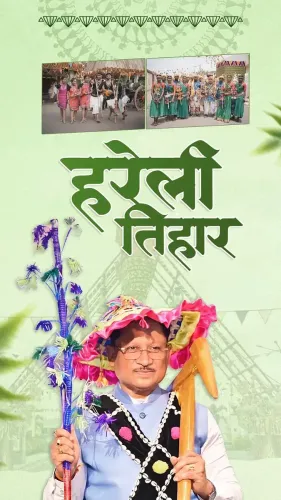
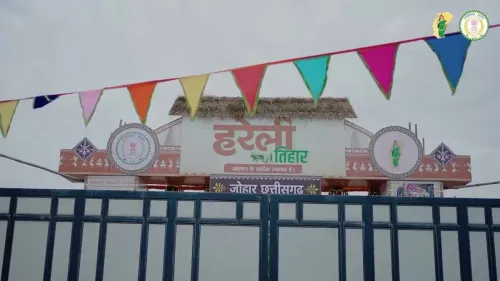
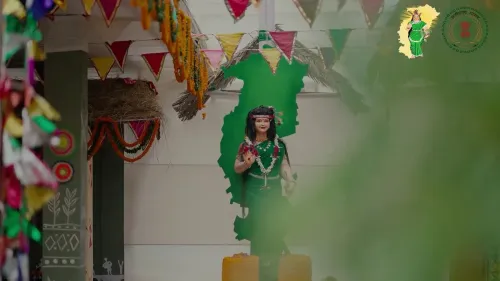
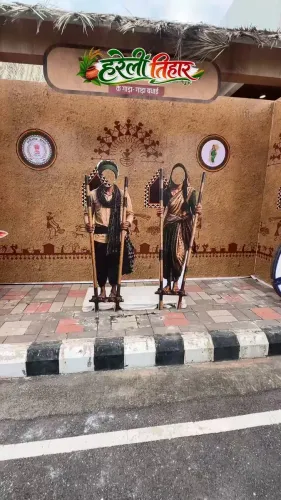
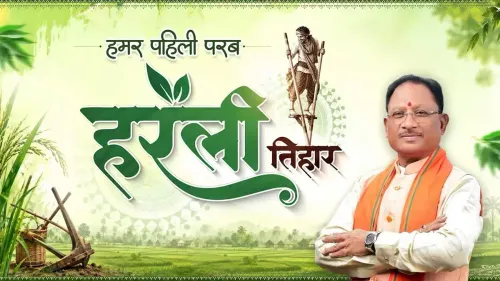
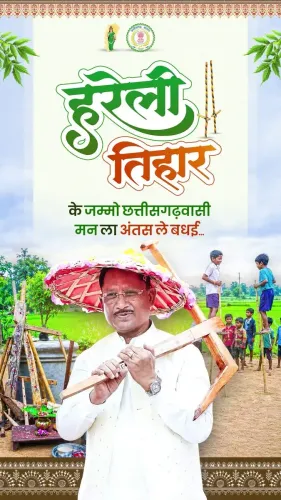
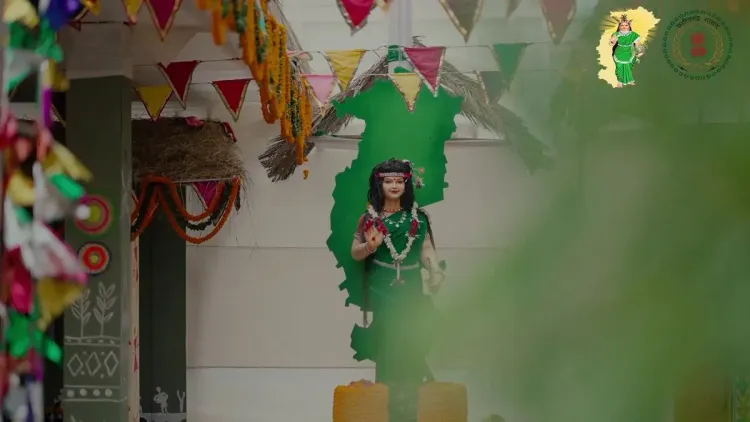
Chhattisgarh's oldest monsoon festival turned the Chief Minister's official residence into a canvas of colour and devotion on Wednesday, 12 August 2026, as Hareli Tihar was observed with traditional puja, folk rituals, and community participation. The Chief Minister's Office of Chhattisgarh shared a video of the celebrations, capturing the spirit of a festival that binds the state's agrarian soul to its calendar year.
What Hareli Tihar means to Chhattisgarh's farming heartland
Hareli Tihar — hareli meaning 'greenery' — falls in the Shravan month of the Hindu calendar, typically at the height of the monsoon sowing season. It is the first major festival of the Chhattisgarhi year, when farming families worship their agricultural tools, seek blessings for healthy crops, and gather for folk songs and games. For a state where a large share of the population depends on rain-fed agriculture, the festival carries practical as well as cultural weight.
The CMO's post described the celebration as coloured in the hues of Hareli, marked by 'puja, tradition, and enthusiasm' — and invoked Chhattisgarh ki maati, sanskriti aur janbhagidari ('the soil, culture, and people's participation of Chhattisgarh') as the spirit behind the occasion.
Vishnu Deo Sai's residence as a cultural stage
Chief Minister Vishnu Deo Sai, who took office in December 2023, has consistently used official platforms to foreground the state's tribal and agrarian identity. Hosting Hareli at the CM residence continues a practice that Chhattisgarh administrations have maintained since the state's formation in 2000 — turning a community festival into a visible act of governance. The message is deliberate: the state's highest office participates in, rather than merely acknowledges, the rhythms of rural life.
The BJP-led government has positioned such cultural observances alongside its development messaging, projecting administrative accessibility through shared tradition. Hareli sits at the front of a festival calendar that will next see Pola and, later in the year, the internationally recognised Bastar Dussehra.
For Chhattisgarh's farming communities, the sight of maati ki khushbu — the fragrance of the soil — reaching the CM's doorstep is more than ceremony. It is a signal that the state's agrarian roots remain at the centre of its political identity.
Point of View
Whose political base includes significant tribal representation, such visibility reinforces continuity with the state's founding ethos. The pattern mirrors a broader trend across Indian states where official social media is deployed to close the perceived distance between administration and community tradition. Watch whether this translates into substantive cultural policy announcements ahead of the assembly's next session.
NationPress
27 Sept 2026
Frequently Asked Questions
What is Hareli Tihar and why is it celebrated?
Hareli Tihar is Chhattisgarh's first major festival of the year, observed during the Shravan month of the Hindu calendar. Farming families worship their agricultural tools and pray for healthy crops, marking the height of the monsoon sowing season with folk songs, rituals, and community gatherings.
When was Hareli Tihar 2026 celebrated at the CM residence?
Hareli Tihar 2026 was celebrated at the Chief Minister's official residence in Chhattisgarh on Wednesday, 12 August 2026.
Who is the Chief Minister of Chhattisgarh in 2026?
Vishnu Deo Sai is the Chief Minister of Chhattisgarh. He took office in December 2023 and represents the BJP.
How long has Chhattisgarh been celebrating Hareli as a state-level event?
Chhattisgarh governments have promoted Hareli Tihar as a state-level cultural event since at least the early 2000s, shortly after the state was formed in 2000.
What festivals follow Hareli Tihar in Chhattisgarh?
After Hareli Tihar, Chhattisgarh's festival calendar includes Pola and later the internationally recognised Bastar Dussehra, one of the longest and most distinctive tribal festivals in India.