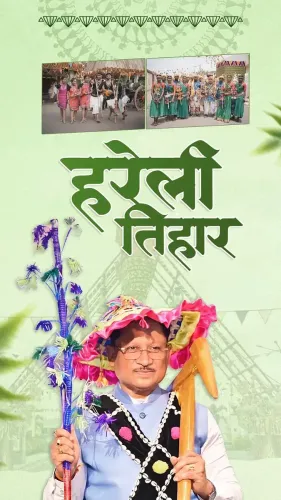
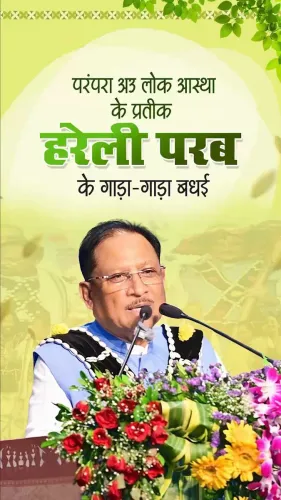
Chhattisgarh CMO Greets State on Hareli Tihar 2026
Synopsis
The Chief Minister's Office of Chhattisgarh marked Hareli Tihar 2026 on 12 August with a message celebrating the monsoon harvest festival as a symbol of the state's soil, folk traditions, and cultural identity, tagging CM Vishnu Deo Sai and the Culture Department.
Key Takeaways
The Chhattisgarh CMO posted Hareli Tihar greetings on 12 August 2026 , tagging CM Vishnu Deo Sai and the Chhattisgarh Culture Department .
Hareli Tihar is the first major festival of the Chhattisgarhi calendar, observed in the Shravan month during the monsoon, with strong agricultural and folk roots.
The CMO described Hareli as connected to 'our soil, our culture, and our identity,' calling folk tradition the state's 'greatest strength.' The message called on residents to reinforce the resolve for a greener and more prosperous Chhattisgarh.
Successive Chhattisgarh governments across party lines have used state festivals to emphasise regional identity — the 2026 message continues that pattern.
Rooted in the monsoon soil of central India, Hareli Tihar is the festival that reminds Chhattisgarh of where it came from — and the Chief Minister's Office of Chhattisgarh marked the occasion on Wednesday, 12 August 2026 with a message tying the harvest festival to the state's enduring cultural identity.
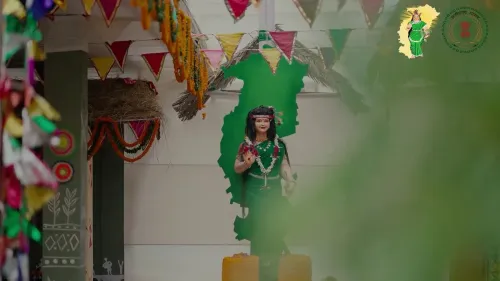
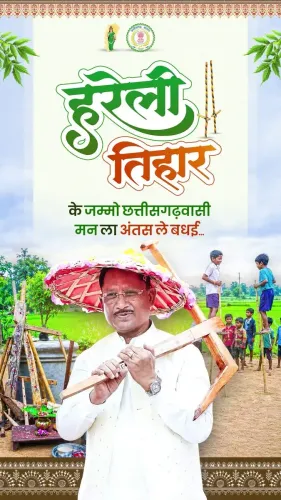
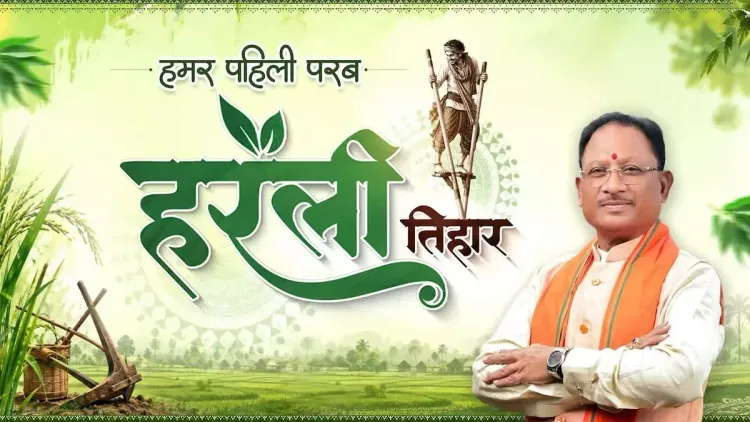
The CMO's post, shared alongside a video, described Hareli as a festival 'connected to our soil, our culture, and our identity' — hamaari maati, hamaari sanskriti aur hamaari pehchaan — and called on residents to strengthen their resolve for a greener, more prosperous Chhattisgarh. The message tagged Chief Minister Vishnu Deo Sai and the Chhattisgarh Culture Department directly.
What Hareli Tihar means to Chhattisgarh
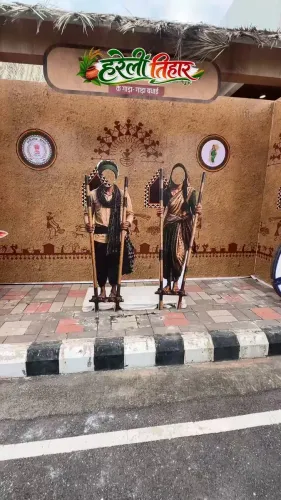
Hareli is the first major festival of the Chhattisgarhi calendar, observed in the Shravan month of the Hindu lunar year — typically falling in July or August, at the height of the monsoon. The name itself derives from hariyali, meaning greenery, and the festival is deeply agricultural in character: farmers worship their tools, cattle are decorated, and folk games and traditions fill village commons across the state.
For a state where a significant share of the population depends on agriculture and where tribal and rural communities preserve rich folk traditions, Hareli is not merely ceremonial. It is a living assertion of a way of life that predates the formation of Chhattisgarh as a separate state in 2000.
Culture as a pillar of official identity
Successive governments in Chhattisgarh — across party lines — have leaned on state festivals to reinforce regional identity and connection to the land. The current CMO's message follows that established pattern, framing folk tradition not as nostalgia but as 'our greatest strength.' The explicit mention of the Chhattisgarh Culture Department signals that institutional machinery backs the sentiment.
Chief Minister Vishnu Deo Sai, who has led the state since December 2023 under the BJP, has consistently positioned cultural pride alongside development messaging — and Hareli, arriving mid-monsoon when fields are green and the agricultural cycle is in full swing, offers a natural stage for both.
When a government's most resonant symbol is the soil itself, every harvest festival is also a political statement — made quietly, in the language of marigolds and folk song.
Point of View
But the framing here — folk tradition as 'our greatest strength' — fits a broader BJP cultural-identity playbook that has grown more prominent in state communications since Vishnu Deo Sai took office in December 2023. By tagging the Culture Department directly, the message signals institutional intent, not just seasonal courtesy. Whether follow-up cultural programmes or rural schemes materialise around the festival period will reveal how much policy weight sits behind the symbolism.
NationPress
26 Sept 2026
Frequently Asked Questions
What is Hareli Tihar and why is it celebrated in Chhattisgarh?
Hareli Tihar is the first major festival of the Chhattisgarhi calendar, observed during the Shravan month of the Hindu lunar year. It is an agricultural festival tied to the monsoon season, during which farmers worship their tools and cattle, and communities celebrate folk traditions. The name comes from 'hariyali,' meaning greenery.
When is Hareli Tihar 2026?
The Chhattisgarh CMO posted Hareli Tihar greetings on 12 August 2026, indicating the festival fell on or around that date.
Who is Vishnu Deo Sai?
Vishnu Deo Sai is the Chief Minister of Chhattisgarh, representing the BJP. He has held the post since December 2023.
What did the Chhattisgarh CMO say about Hareli Tihar?
The CMO described Hareli as a festival 'connected to our soil, our culture, and our identity,' and urged residents to preserve folk traditions, express gratitude to nature, and strengthen the resolve for a greener, more prosperous Chhattisgarh.
Which government department is responsible for cultural festivals in Chhattisgarh?
The Chhattisgarh Culture Department, tagged in the CMO's post, is the state government body tasked with promoting and preserving Chhattisgarh's cultural heritage.