Kishan Reddy Inaugurates GSI Hyderabad Facilities, Pushes Critical Mineral Push
Synopsis
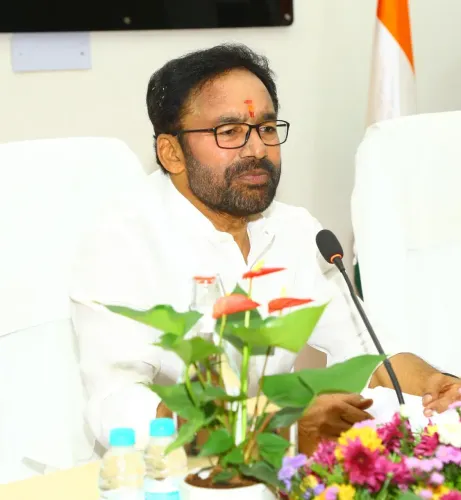
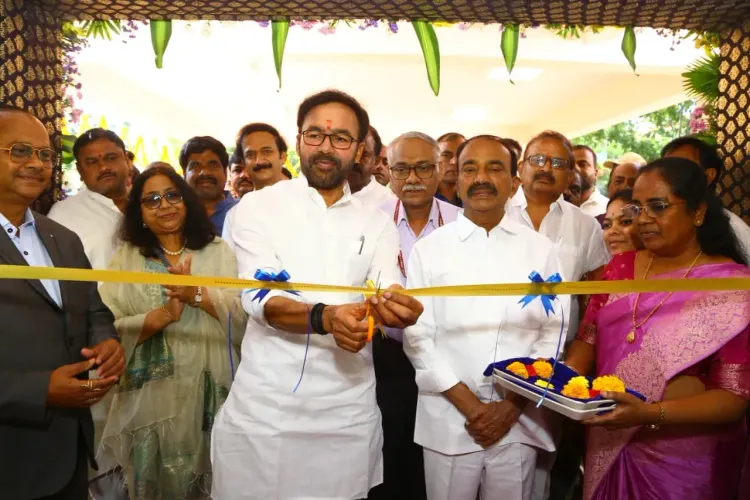
Union Coal and Mines Minister G. Kishan Reddy on November 10 inaugurated three new facilities at GSI Training Institute in Hyderabad, marking GSI's 176th year while directing 300 critical mineral exploration projects for FY 2026-27 and pushing AI-driven institutional reforms.
Key Takeaways
Three facilities inaugurated at GSI Training Institute, Hyderabad: International Hostel Complex, Advanced Geophysical Data Processing Laboratory, and Karmayogi Digital Studio.
GSI has completed 4,373 mineral exploration projects since 2014 and celebrates 176 years of service .
Under the National Critical Minerals Mission , GSI is undertaking 300 critical mineral projects in FY 2026–27 .
Minister Reddy called for adoption of AI, Machine Learning, and advanced data analytics alongside stronger international collaboration and technology transfer.
GSI-TI directed to evolve into a Centre of Excellence with specialised training in lithium, graphite, cobalt, and rare earth elements.
GSI-TI marks 50 years of geological training and capacity building in 2026.
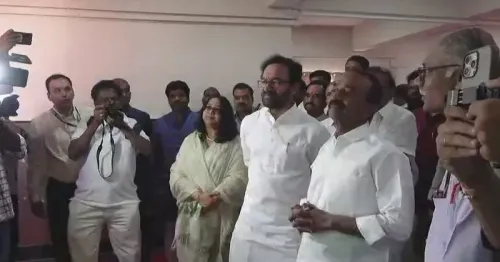
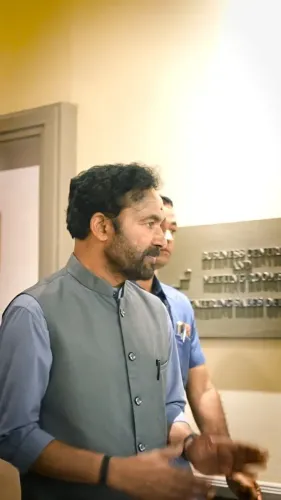
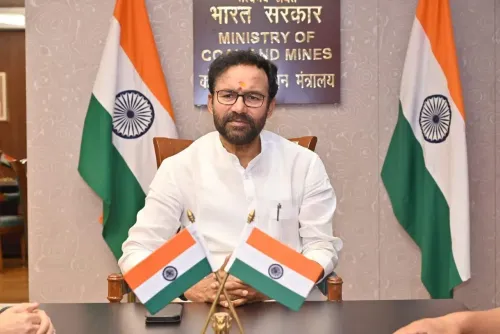
A 176-year-old institution got a sharp, technology-forward upgrade on Tuesday, November 10, 2026 — Union Coal and Mines Minister G. Kishan Reddy inaugurated the International Hostel Complex, Advanced Geophysical Data Processing Laboratory, and Karmayogi Digital Studio at the Geological Survey of India Training Institute (GSI-TI) in Hyderabad, signalling a decisive shift in how India trains its next generation of geologists.
Three New Facilities, One Clear Signal in Hyderabad
The three inaugurated units each serve a distinct strategic purpose. The Advanced Geophysical Data Processing Laboratory positions GSI-TI as a modern data hub, while the Karmayogi Digital Studio connects the institute to the Centre's broader capacity-building architecture. The International Hostel Complex opens the door to overseas collaboration — a deliberate move as India courts foreign partnerships in mineral exploration. Reddy used the occasion to congratulate the GSI team on 176 years of service and GSI-TI on 50 years of geological training.
4,373 Projects Since 2014 — and 300 More Coming
The minister cited a striking operational record: since 2014, GSI has completed 4,373 mineral exploration projects across the country. The pace is set to intensify further. Under the National Critical Minerals Mission, GSI is targeting 300 critical mineral projects in FY 2026–27 alone — a concentration of effort that reflects just how urgently India wants to map its own backyard before betting on imports.
The minerals in focus are the ones that define the modern economy: lithium, graphite, cobalt, and rare earth elements — the building blocks of electric-vehicle batteries, renewable energy systems, and advanced defence hardware. India's heavy dependence on imports for all four has become a strategic vulnerability that policymakers are now racing to address.
AI, Machine Learning, and the Reform Agenda Reddy Laid Out
Reddy's address went well beyond ribbon-cutting. He called for a comprehensive, time-bound exploration strategy and stressed that GSI must move decisively toward AI, Machine Learning, and advanced data analytics — tools that can compress decades of traditional geological survey work into far shorter timelines. He also pushed for stronger international collaborations and technology transfer, areas where India's domestic capability still lags leading mining nations.
The minister's sharpest directive was reserved for GSI-TI itself: it must evolve into a Centre of Excellence for Geological Training and Capacity Building, with specialised curricula designed around the critical minerals that now sit at the heart of India's industrial and clean-energy ambitions. The framing was deliberate — institutional reform paired with a new knowledge mandate, not just infrastructure upgrades.
Why GSI's Modernisation Moment Matters Now
Geological Survey of India, founded in 1851, is one of the oldest scientific agencies in Asia. Its transformation has been an open policy conversation for years — accelerated by the National Mineral Exploration Policy of 2016 and the Mines and Minerals (Development and Regulation) Amendment Act of 2023, which together expanded private-sector access and fast-tracked critical mineral auctions. What Tuesday's inaugurations represent is the physical infrastructure finally catching up with the policy ambition.
The question now turns to execution: whether the 300 critical mineral projects in the current financial year produce actionable resource assessments, and whether new international MoUs for joint exploration and technology transfer materialise before the fiscal clock runs out. India's clean-energy supply chain may well depend on the answer.
Point of View
The government is essentially betting that modernising the exploration pipeline can shorten the gap between known geology and bankable reserves. The success or failure of that bet will shape India's leverage in clean-energy and defence supply chains for the next decade.
NationPress
10 Nov 2026
Frequently Asked Questions
What was inaugurated at GSI Training Institute Hyderabad in November 2026?
Union Minister G. Kishan Reddy inaugurated the International Hostel Complex, Advanced Geophysical Data Processing Laboratory, and Karmayogi Digital Studio at the Geological Survey of India Training Institute in Hyderabad on November 10, 2026.
How many critical mineral projects is GSI undertaking in FY 2026-27?
GSI is undertaking 300 critical mineral projects in FY 2026-27, backed by the National Critical Minerals Mission.
How old is the Geological Survey of India?
The Geological Survey of India was founded in 1851, making it 175 years old as of 2026 and celebrating its 176th year of service.
What critical minerals is India focusing on for exploration?
India is focusing its critical mineral exploration on lithium, graphite, cobalt, and rare earth elements — all essential for electric-vehicle batteries, renewable energy systems, and advanced defence hardware.
What reforms did Kishan Reddy call for at GSI?
Reddy called for institutional reforms, adoption of AI, Machine Learning, and advanced data analytics, stronger international collaborations, technology transfer, and transforming GSI-TI into a Centre of Excellence for geological training.