Delhi SIR electoral roll revision: Parvesh Verma urges voters to respond to ERO notices
Synopsis
Delhi's Special Intensive Revision of voter rolls has sparked political controversy, with AAP and civil society groups questioning the process. Minister Parvesh Verma has pushed back, clarifying that notices flag documentation gaps — not deletions — and that VVIPs and common voters alike have received them, arguing the Election Commission is acting transparently and impartially.
Key Takeaways
Delhi minister Parvesh Verma clarified the Special Intensive Revision (SIR) of electoral rolls on 22 September 2026 .
SIR notices are issued when voter records contain discrepancies or cannot be matched to the previous electoral roll — they do not automatically delete a voter.
Voters who receive notices can submit documents and respond to the Electoral Registration Officer (ERO) .
Notices have been issued to both ordinary residents and VVIPs , according to Verma, underlining the process is uniform.
AAP , former Chief Minister Arvind Kejriwal , Congress , and several NGOs have publicly questioned the SIR exercise.
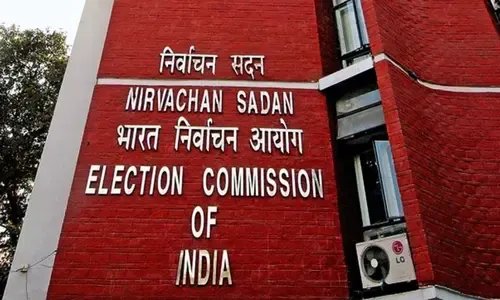
Verma appealed to political parties to avoid eroding public trust in the Election Commission of India .
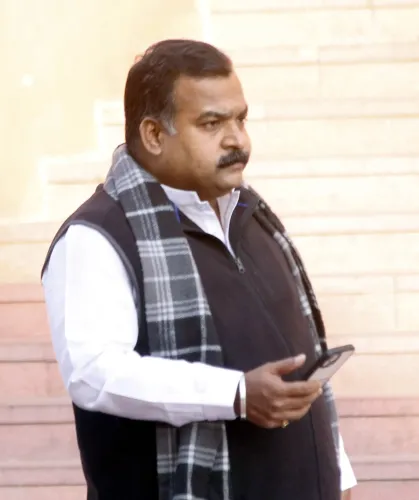
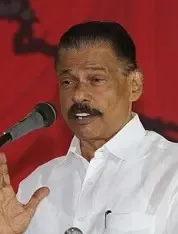
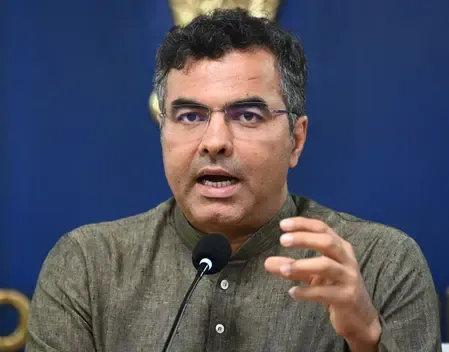
Delhi minister Parvesh Verma on 22 September 2026 clarified the mechanics of the ongoing Special Intensive Revision (SIR) of electoral rolls in the national capital, saying notices are issued only where discrepancies exist in voter records or where details cannot be linked to the previous electoral roll. Verma stressed that voters who receive such notices have a clear channel to respond directly to the Electoral Registration Officer (ERO) and that notices do not automatically lead to deletion from the rolls.
What the SIR Process Involves
According to Verma, the SIR exercise is triggered when a voter's record contains a documentation gap or when their details cannot be matched against the prior roll. 'The SIR process is going on in Delhi. Those people whose voter list or their signature leaves any path, they are issued a notice by the Electoral Registration Officer of the Election Commission. In that notice, if there is a deficiency in any document, they are asked about it,' he said.
The minister described the process as 'a very simple process' and urged residents not to be alarmed. He noted that the Election Commission of India (ECI) has separately confirmed that electors may submit replies and requisite documents in response to notices received.
Notices Issued Irrespective of Status
Verma argued that the revision exercise is applied uniformly, pointing out that notices had gone out to prominent individuals as well as ordinary residents. 'Whether there is a common man in Delhi or a VVIP in Delhi, all of them have been issued such notices,' he said, adding that the Election Commission does not factor in the political or social standing of a voter when issuing notices.
He further stated: 'If they are not found at home or if there is a deficiency in their documents, then the work done by the Election Commission is completely transparent and impartial. It does not look at the name of the person to whom it is sending the notice.'
Political Controversy Around the Revision
Despite official assurances, the SIR has become a flashpoint in Delhi politics. The Aam Aadmi Party (AAP), other Opposition formations, and several civil society organisations have publicly questioned the process, raising concerns about the potential for wrongful deletions. Verma acknowledged the controversy but pushed back sharply, alleging that AAP and allied groups have a pattern of casting doubt on electoral processes.
He also directly criticised former Delhi Chief Minister Arvind Kejriwal, AAP leader Saurabh Bharadwaj, the Indian National Congress (INC), and non-governmental organisations that have questioned the revision exercise. 'Now that the SIR process has taken place, they are raising questions on that,' Verma said.
Verma's Appeal to Political Parties
Concluding his remarks, Verma made a direct appeal to parties and organisations involved in the controversy. 'Please do not put people in such a situation that they lose their faith in the Election Commission,' he said, calling on all stakeholders to refrain from spreading uncertainty among voters about the credibility of the ECI.
The SIR exercise is expected to continue across Delhi, with affected voters being given an opportunity to submit documents and present their cases before the ERO before any final decision on their registration status is taken.
Point of View
Document-sparse electorate. The Election Commission's own clarification that notices do not mean deletion is important, but it arrived in a political environment already primed for suspicion. The real accountability question — what happens to voters who cannot produce documents on time — remains unanswered in public communications.
NationPress
22 Sept 2026
Frequently Asked Questions
What is the Special Intensive Revision (SIR) of electoral rolls in Delhi?
The Special Intensive Revision (SIR) is an exercise by the Election Commission of India to audit and update voter rolls by identifying records with documentation gaps or entries that cannot be matched to the previous electoral roll. Voters whose records flag discrepancies are issued notices by their Electoral Registration Officer and given a chance to submit documents.
Does receiving an SIR notice mean a voter will be deleted from the electoral roll?
No. According to Delhi minister Parvesh Verma and the Election Commission of India, receiving a notice does not automatically result in deletion. Voters are given an opportunity to respond to the ERO and submit required documents before any action is taken on their registration.
How can Delhi voters respond to an SIR notice?
Voters who receive an SIR notice can submit their documents and present their case directly to the Electoral Registration Officer (ERO) for their constituency. The Election Commission has clarified that electors may submit replies along with requisite documents in response to any notice received.
Why are AAP and Opposition parties objecting to the SIR process?
The Aam Aadmi Party, Congress, and several civil society organisations have questioned the SIR exercise, raising concerns about the potential for wrongful deletions from the voter rolls. Minister Verma has dismissed these concerns as politically motivated, alleging that AAP and associated groups have a pattern of questioning electoral processes.
Who has been issued SIR notices in Delhi?
According to minister Parvesh Verma, SIR notices have been issued to both ordinary residents and prominent or VVIP individuals where documentation discrepancies exist. He argued this demonstrates the Election Commission applies the process uniformly without regard for political or social standing.