Severe Economic Consequences Await Pakistan if Iran Conflict Persists: Analysis
Synopsis
A recent report warns that if the war in Iran continues, it could significantly destabilize Pakistan's economy, which heavily relies on imports from West Asia and remittances from the Gulf. Discover the implications and potential responses to this looming crisis.
Key Takeaways
Pakistan's economy is vulnerable to the ongoing conflict in Iran.
High reliance on imports and remittances increases risk.
Current economic conditions are marked by significant challenges.
IMF program may not adequately address underlying issues.
Policy changes are necessary to protect vulnerable populations.
Islamabad, March 24 (NationPress) A report has revealed that if the conflict in Iran does not resolve swiftly, it may deliver an unprecedented blow to Pakistan's economy. The country is particularly vulnerable to the war's repercussions, as it heavily depends on imports of fuel and food from West Asia while also relying significantly on remittances from the Gulf region.
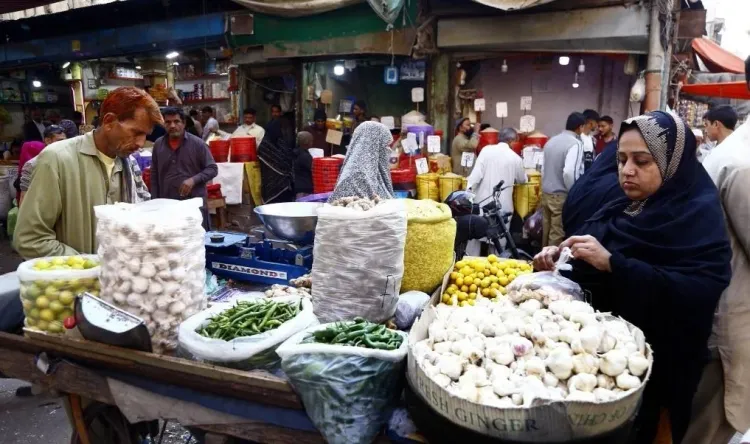
The timing of this situation exacerbates the country's challenges. Pakistan's economy is not positioned to absorb such shocks comfortably; instead, it has endured four years of difficult stabilization efforts characterized by a historic cost-of-living crisis and a dramatic decline in income, erasing gains made over the past decade. Historically, surges in commodity prices have precipitated crises in Pakistan, typically after periods of domestic economic overheating, as noted by former acting governor of the State Bank of Pakistan (SBP), Murtaza Syed, in The News International.
Pakistan's vulnerability is further heightened due to its precarious position in responding to external shocks. With less than three months' worth of import cover, the nation’s foreign exchange reserves are thinner than those of nearly every other country. Managing public debt is challenging, as government debt constitutes 70% of the Gross Domestic Product (GDP), coupled with gross financing needs that rank among the highest globally, leaving minimal scope for countercyclical measures.
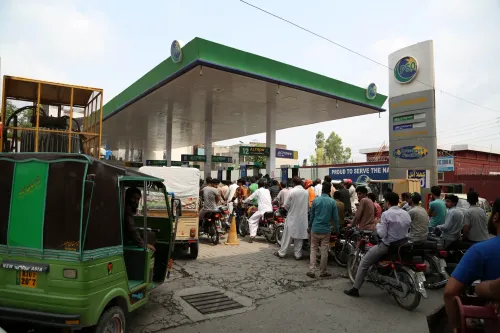
Increased prices for oil, gas, and fertilizers will drive up transportation and food costs, potentially leading to a recession. A sustained downturn in West Asia could diminish remittances and external financing, while a turbulent regional landscape would exert intense pressure on the Pakistani currency, resulting in inflation.
While some may hope that the ongoing IMF program will mitigate the impact, this is a misleading comfort. Although essential to prevent default, the IMF program alone will not resolve the underlying issues. The program's size cannot be significantly increased due to Pakistan's history of borrowing, which has nearly exhausted the limits set by the Fund's access regulations. In the absence of stronger financial buffers, the latest Staff Report has indicated that the program will remain contractionary amid a spike in commodity prices, according to Murtaza Syed.
Given the current circumstances, fiscal tightening, elevated interest rates, and currency depreciation seem unavoidable. However, these measures will further constrict the economy precisely when it requires relief. This policy approach is unlikely to safeguard the most vulnerable segments from stagflationary pressures. The conventional IMF strategy of demand compression could prove to be a risky gamble, potentially leading to unrest and further straining the already fragile social fabric.
A more effective and safer response is feasible. However, it demands prompt action and transparent acknowledgment of the limitations within the current policy framework. Should the conflict persist, Pakistan should not depend solely on austerity measures. A more balanced policy approach would incorporate targeted fiscal and monetary support for at-risk households and businesses, alongside strategic foreign exchange interventions and temporary import restrictions to mitigate volatility in the rupee and inflation surges, as highlighted by Murtaza Syed.
Point of View
It's crucial to recognize the precarious situation Pakistan finds itself in due to the Iran conflict. The nation's reliance on imports and remittances makes it especially vulnerable, and a comprehensive policy approach is needed to prevent further economic deterioration.
NationPress
26 Sept 2026
Frequently Asked Questions
What impact could the Iran conflict have on Pakistan's economy?
If the Iran conflict continues, it may lead to increased prices for essential goods, a decline in remittances, and significant pressure on the Pakistani currency, contributing to inflation and potential recession.
How is Pakistan's economy currently positioned?
Pakistan's economy is struggling, characterized by a historic cost-of-living crisis and a significant decline in income, leaving it ill-equipped to handle external shocks.
What measures could Pakistan take to mitigate the economic impact?
Pakistan could implement targeted fiscal and monetary support for vulnerable households and businesses, alongside foreign exchange interventions to stabilize the currency.
Is the IMF program sufficient to resolve Pakistan's economic issues?
While the IMF program is necessary to prevent default, it is not a comprehensive solution and cannot significantly expand due to past borrowing limits.
What are the potential risks of the current economic policies?
Current policies may lead to increased economic slowdown and exacerbate stagflation, threatening social stability and public unrest.