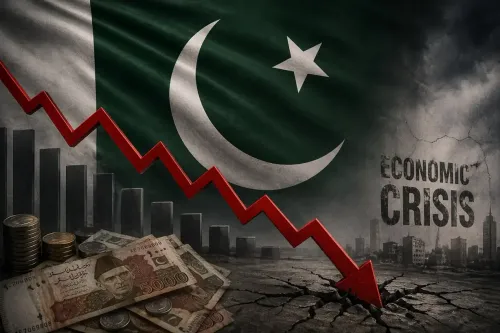
Pakistan's Economic Crisis Deepens Amid Rising Fuel Costs and Trade Deficit

Synopsis
As fuel prices surge and trade deficits widen, Pakistan's economy faces a crisis. Discover the alarming statistics and the implications on the nation's future in this insightful analysis.
Key Takeaways
GDP Growth Rate: Only 3.1%.
Trade Deficit: Exceeds $10 billion.
Poverty Rate: Stands at 28.9%.
Unemployment Rate: 12.8% for youth.
Out-of-School Children: 25.2 million.
New Delhi, March 20 (NationPress) The economic situation in Pakistan has deteriorated significantly in the wake of the US–Israel conflict with Iran, resulting in a sharp rise in fuel prices and an alarming increase in the trade deficit, as reported by Pakistani media.
According to a piece published in the Lahore-based Friday Times, various indicators show that Pakistan's economic state is precarious, including a mere GDP growth rate of 3.1%, an HDI ranking of 168 out of 193 nations, a per capita income of $1,812, and a poverty rate standing at 28.9%. The adult literacy rate is only 60%, with 25.2 million children out of school and an unemployment rate of 12.8% among individuals aged 15 to 24.
These statistics represent the worst performance in South Asia and highlight the inability of the ruling elites to address economic instability. The trade deficit exceeds $10 billion, compounded by falling exports and insufficient foreign exchange reserves, with the State Bank holding only $16.5 billion.
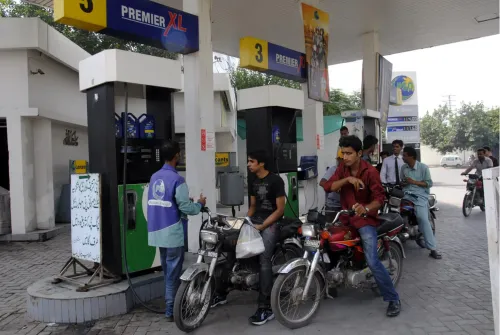
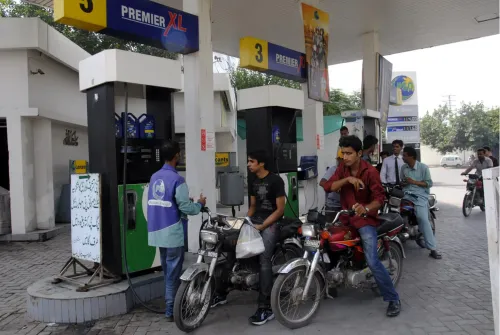
The repercussions of the ongoing conflict in the Persian Gulf and West Asia are dire for Pakistan’s economy. The recent hike of Rs 55 per liter in oil prices, along with a 20% increase in gas prices, is expected to drive inflation higher, impacting the costs of essential goods.
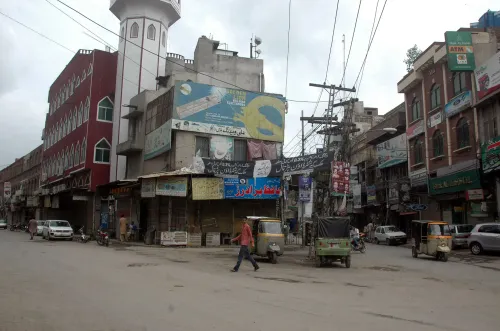
The rising expenses for electricity and transportation will exacerbate the hardships faced by the 250 million residents of Pakistan.
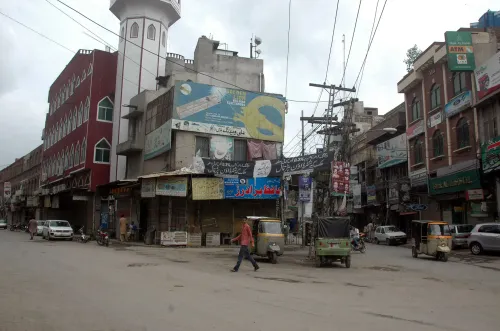
Being economically fragile for nearly 80 years, Pakistan has struggled to improve the living standards of its citizens, failing to provide essentials like clean drinking water, adequate housing, and quality education and health services.
A significant portion of the federal budget is allocated to servicing external debt and defense, leaving only about 20% for national administration and provincial allocations under the 18th Amendment. This financial strain leads to excessive internal and external borrowing, as noted in the report.
Point of View
I must stress that the current economic situation in Pakistan is critical. The data reflects a serious failure in governance, impacting millions. It's imperative for policy-makers to prioritize economic stability and social welfare to enhance the lives of citizens.
NationPress
5 Oct 2026
Frequently Asked Questions
What is the current GDP growth rate of Pakistan?
Pakistan's GDP growth rate is currently at 3.1%.
How does Pakistan's trade deficit impact its economy?
The trade deficit exceeds $10 billion, leading to economic instability and reduced foreign exchange reserves.
What are the main causes of the economic crisis in Pakistan?
The ongoing conflict in the Persian Gulf, rising fuel prices, and ineffective governance are major contributors to the crisis.
What is the unemployment rate among youth in Pakistan?
The unemployment rate for those aged 15 to 24 is 12.8%.
How many children are out of school in Pakistan?
Currently, there are 25.2 million children out of school in Pakistan.