CM Dhami Lays Foundation for Two Flood Projects in Champawat
Synopsis
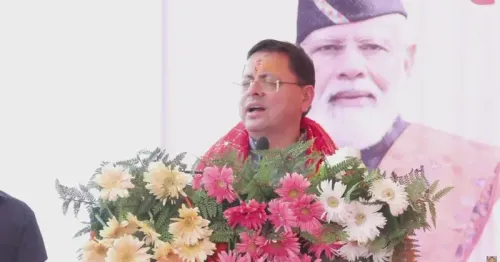
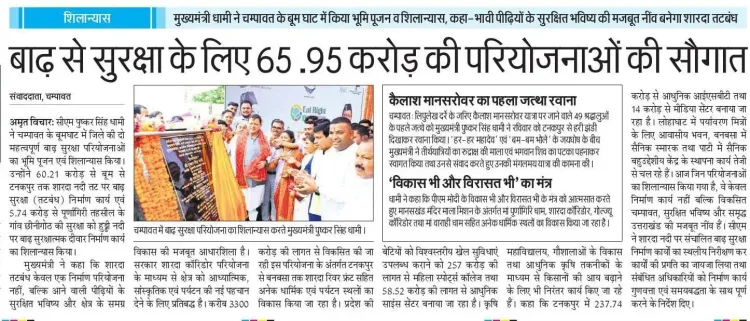
Chief Minister Pushkar Singh Dhami laid the foundation stones for two flood protection projects at Boomghat in Champawat on 6 July 2026, reinforcing Uttarakhand's long-running push to protect Kumaon's river-vulnerable communities from monsoon flooding.
Key Takeaways
Chief Minister Pushkar Singh Dhami laid foundation stones for two flood protection projects in Champawat district on 6 July 2026 .
The ceremony was held at Boomghat , a locality within Champawat in Uttarakhand's Kumaon division.
Champawat borders Nepal and is among Uttarakhand's most flood-prone districts due to its river corridors and monsoon exposure.
Uttarakhand has prioritised flood-control infrastructure since the 2013 Kedarnath floods , using both state and central funds.
Completion timelines, project costs, and executing agencies for the two new works have not yet been disclosed.
The foundation-laying continues a pattern of CM Dhami anchoring district-level disaster-mitigation commitments through high-visibility shilanyas events.
The Chief Minister's Office of Uttarakhand announced on Monday, 6 July 2026 that Chief Minister Pushkar Singh Dhami laid the foundation stones for two significant flood protection projects in Boomghat, Champawat district. The ceremony marks a fresh push by the state government to shield one of Kumaon's most flood-vulnerable districts from recurring monsoon damage.
Context
The post from the Chief Minister's Office reads: 'Champawat ke Boomghat mein Mukhyamantri Shri Pushkar Singh Dhami ne Janpad ki do mahatvapurna baadh suraksha pariyojanaon ka kiya shilanyas' — translated: 'Chief Minister Shri Pushkar Singh Dhami laid the foundation stones for two important flood protection projects of the district at Boomghat in Champawat.' The foundation-laying, known as a shilanyas, signals the formal start of the project cycle, committing state resources and timelines to construction.
Champawat is a district in Uttarakhand's Kumaon division, sharing a border with Nepal. The district sits along river corridors that swell dangerously during the June-September monsoon season, exposing riverside communities to flooding, erosion, and loss of agricultural land.
Policy Backdrop
Flood-control infrastructure has been a persistent policy priority for Uttarakhand governments since the catastrophic 2013 Kedarnath floods, which exposed the state's systemic vulnerability to riverine disaster. In the years that followed, the state launched a series of river embankment and bank-protection schemes across both the Kumaon and Garhwal divisions, drawing on state disaster-management budgets as well as central assistance programmes.
CM Dhami, who has been in office since 2021, has continued this pattern, conducting foundation-stone ceremonies for flood-mitigation works in multiple hill districts. The Boomghat event follows this established governance rhythm of using high-visibility shilanyas events to anchor community confidence in state-led infrastructure delivery.
Stakeholders and Impact
The primary beneficiaries are residents of Champawat district, particularly communities settled along the flood plains near Boomghat. Farmers, small traders, and households on low-lying riverbanks stand to gain the most from embankment and protective works that reduce the risk of inundation during peak monsoon months.
Flood damage in hill districts carries compounding costs: destroyed crops, damaged road connectivity, and displacement that disrupts livelihoods for entire seasons. Effective flood protection infrastructure can break this cycle and support longer-term economic stability in border districts like Champawat.
What's Next
Attention will now turn to the timelines for completion of both projects and the allocation of adequate budgets to see them through to commissioning. Observers of Uttarakhand's infrastructure programme will also watch whether similar foundation ceremonies are announced for other flood-prone localities across Kumaon and Garhwal in the current monsoon season. The state's track record in converting shilanyas events into completed, functional infrastructure will ultimately determine the impact on Champawat's most vulnerable communities.
Point of View
Such ceremonies in border districts like Champawat serve a dual purpose: demonstrating administrative reach in geographically remote areas and building credibility on disaster preparedness ahead of the monsoon peak. The absence of disclosed project costs and timelines, however, means accountability will hinge on follow-through rather than announcement. Uttarakhand's broader challenge remains converting a dense calendar of foundation-stone events into commissioned, durable infrastructure before the next flood season.
NationPress
5 Oct 2026
Frequently Asked Questions
What did CM Dhami inaugurate at Boomghat in Champawat?
CM Pushkar Singh Dhami laid the foundation stones for two flood protection projects at Boomghat in Champawat district on 6 July 2026, as announced by the Chief Minister's Office of Uttarakhand.
Where is Boomghat located?
Boomghat is a locality in Champawat district, which is part of the Kumaon division of Uttarakhand and shares a border with Nepal.
Why is Champawat prone to flooding?
Champawat sits along river corridors in the Himalayan foothills that swell significantly during the June-September monsoon season, making riverside communities vulnerable to flooding and erosion.
What is the significance of a shilanyas ceremony in Indian infrastructure projects?
A shilanyas, or foundation-stone laying, is the formal ceremonial start of a construction project in India, signalling official government commitment of resources and timelines to the work.
Has Uttarakhand undertaken flood protection work before in Kumaon?
Yes. Following the devastating 2013 Kedarnath floods, Uttarakhand launched multiple river embankment and bank-protection schemes across Kumaon and Garhwal divisions using state and central government funds.