Is Pakistan Facing a Major Economic Crisis in 2026?
Synopsis
As Pakistan braces for 2026, the nation faces dire economic challenges, including low growth rates, political instability, and looming environmental disasters. Will the country be able to navigate these hurdles and foster growth?
Key Takeaways
Pakistan's growth rate is stagnating at 3 percent.
Over 40% of the population lives in extreme poverty.
Political divisions hinder investment opportunities.
Environmental challenges are expected to worsen.
Nearly a third of children suffer from stunted growth due to malnutrition.
New Delhi, Jan 3 (NationPress) Pakistan confronts significant economic hurdles in 2026, grappling with persistent low growth, ongoing militant activities, and potential climate change-related disasters, as outlined in a recent report.
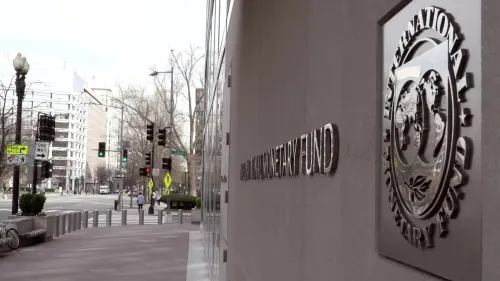
An article by Farhan Bokhari in Nikkei Asia reveals that while the country has sidestepped defaulting on foreign debt payments—thanks to a timely $7 billion loan from the International Monetary Fund (IMF) that extends through 2027—it still faces formidable challenges this year.
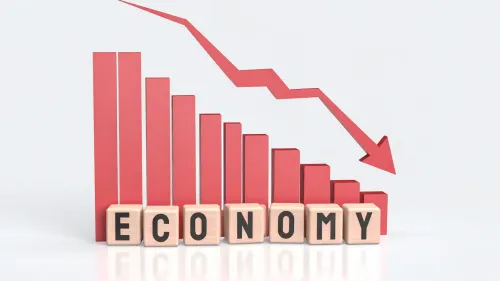
The current annual economic growth rate of merely 3 percent “barely exceeds the annual population growth rate,” which raises concerns.
The report emphasizes that reviving economic growth will require Pakistan to tackle numerous daunting issues.
“To address the dire conditions affecting the majority of its populace, Pakistan must accelerate its internal reforms. Over 40 percent of the country's approximately 257 million citizens live in extreme poverty. Additionally, the nation grapples with a concerning illiteracy rate, with nearly 40 percent of the population deemed illiterate,” the report highlights.
Furthermore, Pakistan's internal political rifts have eroded investor confidence, particularly for those looking for long-term opportunities.
“Unless the ongoing political strife is resolved, investors are likely to remain hesitant about making medium- to long-term commitments. The absence of a significant influx of fresh investments, hampered by political divisions, keeps Pakistan trapped in a cycle of low economic growth,” the report indicates.
Moreover, the country has experienced widespread devastation due to heavy rains and floods, with projections suggesting a 20 percent increase in rainfall in 2026 compared to the previous year.
The report also underscores other alarming statistics, such as nearly one-third of children under five in Pakistan suffering from stunted growth due to chronic malnutrition, alongside the long-term struggle to accelerate economic growth and ensure equitable wealth distribution.
Point of View
I believe that while the report highlights severe economic challenges, it is crucial for Pakistan to focus on reforms and political unity to forge a path towards stability and growth.
NationPress
24 Sept 2026
Frequently Asked Questions
What economic challenges is Pakistan facing in 2026?
Pakistan is facing low economic growth, high poverty rates, political instability, and climate change-related risks, as highlighted in recent reports.
How does Pakistan's growth rate compare to its population growth?
Pakistan's economic growth rate is currently at 3 percent, which is only slightly above the annual population growth rate.
What role did the IMF play in Pakistan's economic situation?
The IMF provided a $7 billion loan to Pakistan to help it avoid defaulting on foreign debt payments.
What is the impact of political instability on Pakistan's economy?
Political instability has eroded investor confidence, making it difficult for Pakistan to attract medium- and long-term investments.
What are the indicators of poverty in Pakistan?
Over 40 percent of Pakistan's population lives in extreme poverty, and nearly 40 percent are illiterate, which are significant indicators of economic distress.