Does the US Takeover of Oil-Rich Venezuela Indicate a Race for Hard Power?
Synopsis
Uday Kotak's insights on the US intervention in Venezuela highlight the fierce competition for global power driven by oil resources. As the US takes control, the implications of this power struggle resonate globally, raising crucial questions about international relations and national sovereignty. Dive into the analysis of this pivotal moment in geopolitical history.
Key Takeaways
US intervention in Venezuela highlights a power struggle influenced by oil.
Nicolas Maduro's capture marks a crucial moment in international relations.
The shift from soft to hard power signifies changing global dynamics.
The situation raises questions about national sovereignty and military intervention.
The US aims to recover lost oil assets and restore infrastructure.
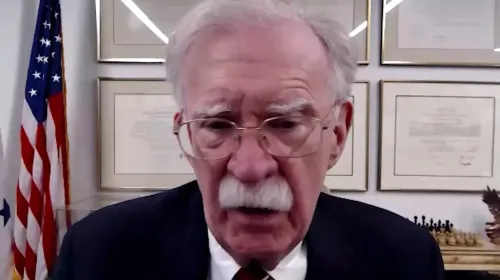
New Delhi, Jan 4 (NationPress) Uday Kotak, the founder of Kotak Mahindra Bank, stated on Sunday that the US's intervention in Venezuela and the apprehension of President Nicolás Maduro symbolize the ongoing competition for hard power among nations in the modern era.
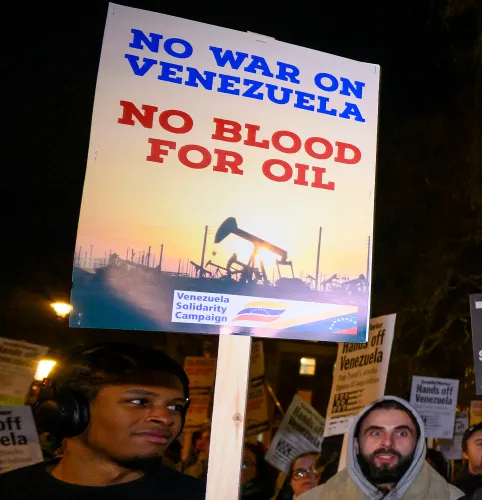
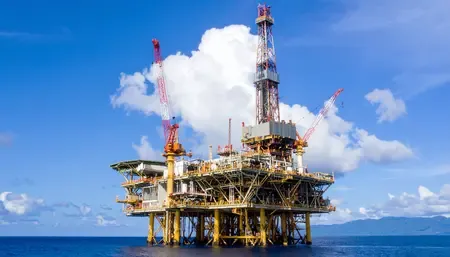
Kotak emphasized that Venezuela possesses the largest oil reserves globally, suggesting that the US operation in this South American nation is closely associated with this resource.
"The United States is seizing control of Venezuela, which holds the world's largest oil reserves. As I mentioned in my reflections at the end of the year, we are in an era defined by hard power, and nations are vying for dominance," he expressed on X.
The seasoned banker pointed out that the global landscape has shifted to be less accepting of diverse viewpoints, becoming more transactional in nature, with hard power eclipsing soft power. He noted that the competition among nations is intensifying and increasingly oblivious to its repercussions.
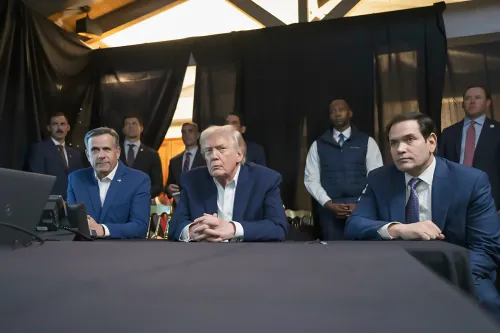
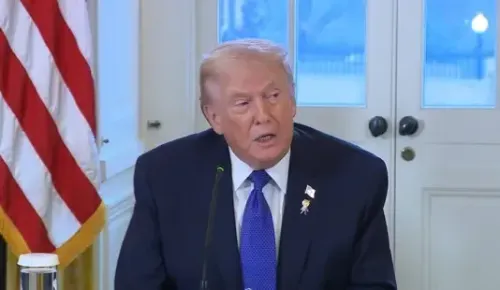
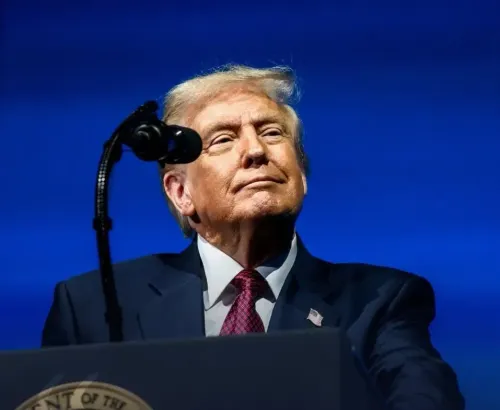
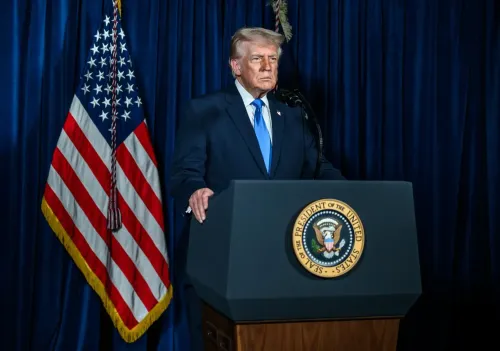
President Donald Trump declared at a press conference following Maduro's capture that the US would oversee Venezuela, and that American oil corporations would invest billions to boost oil production in the Latin American nation.
"We will deploy our major U.S. oil firms, the largest globally, to invest billions, repair the severely damaged oil infrastructure, and start generating revenue for the nation," he stated.
Trump also remarked that Venezuela had previously seized the assets of U.S. oil companies, which will now be reclaimed. He referred to the nationalization of oilfields by former President Hugo Chavez around two decades ago, which affected firms like Exxon Mobil and ConocoPhillips.
Trump asserted that the US would maintain control over Venezuela until a "safe, proper, and judicious transition" could be achieved, following the US strikes.
Maduro and his spouse, Cilia Flores, were captured and transported from Caracas, Venezuela's capital, by a US helicopter early Saturday and taken aboard the USS Iwo Jima at an undisclosed location in the Caribbean.
They were then flown to the US Naval Base at Guantanamo Bay, Cuba, before being transferred to another aircraft and landing in New York state. Ultimately, the couple was helicoptered to the Metropolitan Detention Center in Brooklyn, New York, where they are set to face charges related to alleged drug trafficking.
In response, Venezuela declared a state of national emergency and condemned the "military aggression," with the Vice President asserting that Maduro remains the country's sole leader.
Point of View
Others see it as an alarming precedent for military intervention based on economic interests. As the world watches, the balance of power continues to shift dramatically.
NationPress
24 Sept 2026
Frequently Asked Questions
What triggered the US intervention in Venezuela?
The US intervention was triggered by Venezuela's vast oil reserves, considered the largest in the world, and the political instability surrounding President Nicolás Maduro.
What are the implications of this intervention?
The implications include a potential shift in power dynamics, risks of escalating conflict, and challenges to international norms regarding sovereignty.
How does this affect US-Venezuela relations?
This intervention is likely to lead to further deterioration in US-Venezuela relations, impacting diplomatic and economic engagements.
What is the response from the Venezuelan government?
The Venezuelan government has declared a national emergency and condemned the military aggression, asserting that Maduro remains the legitimate leader.
What role do oil reserves play in this situation?
Oil reserves are central to this situation as they represent significant economic interests for the US, which seeks to reclaim investments lost during Venezuela's nationalization period.