Is US Control of Venezuelan Oil Revenues Essential to Avert Economic Collapse?

Synopsis
In the wake of Venezuela's economic crisis post-Maduro, US Secretary of State Marco Rubio emphasizes the need for US oversight of Venezuelan oil revenues. Discover how this arrangement aims to stabilize the nation and what it means for global oil markets.
Key Takeaways
US oversight of Venezuelan oil revenues aims to prevent economic collapse.
Venezuela faces an immediate fiscal crisis post-Maduro.
Funds will be allocated for essential government services.
The oversight mechanism is intended to be temporary .
Venezuela is making strides toward reform with a new hydrocarbon law.
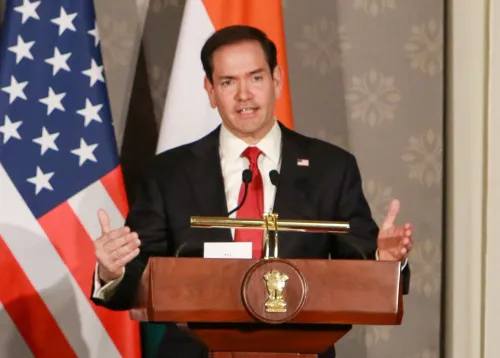
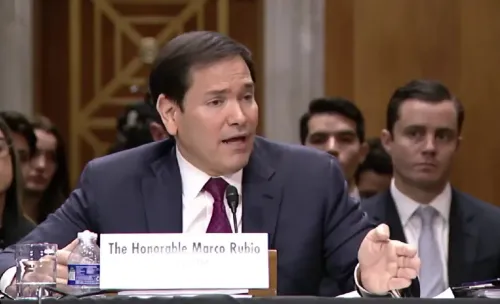
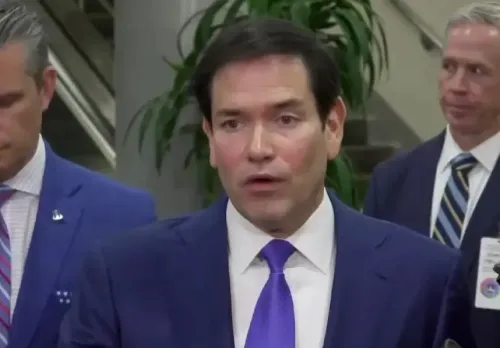
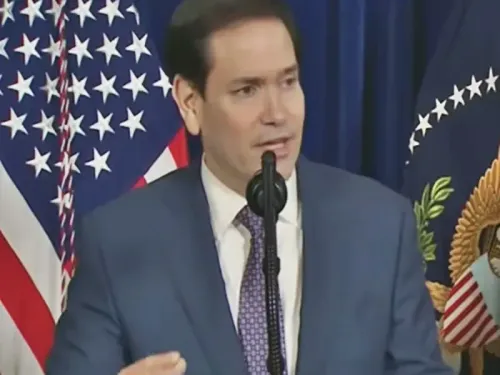
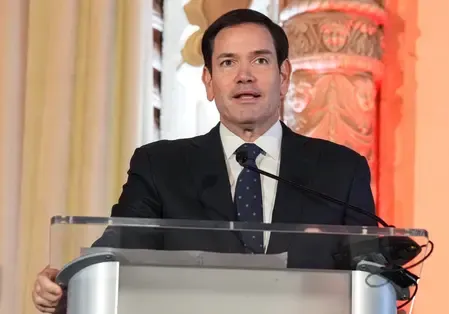
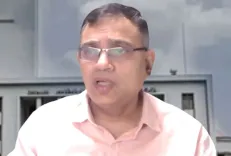
Washington, Jan 29 (NationPress) US Secretary of State Marco Rubio has defended Washington’s oversight of Venezuelan oil revenues, asserting that this arrangement is vital to avert economic collapse as the nation navigates away from corruption and mismanagement.
On Wednesday (local time), Rubio indicated that Venezuela is experiencing an immediate crisis following the ousting of Nicolas Maduro, even as oil production persists without adequate facilities for storage or sale of crude.
“They were producing oil, they were drilling, but they had nowhere to put it,” he explained. “They were confronting a fiscal crisis.”
In response, Rubio noted that the US has permitted sanctioned oil to enter global markets at prevailing prices, under strict conditions. “The proceeds from that will be funneled into an account under our oversight,” he stated.
This funding is intended to meet essential needs. “They required funds urgently to pay police officers, sanitation workers, and manage daily government operations,” Rubio mentioned.
He emphasized that this arrangement is temporary. “This is not a permanent solution,” he asserted. “It’s a short-term mechanism.”
Rubio added that Venezuela has agreed to provide monthly budgets detailing how the funds will be utilized. “We will clarify what those funds cannot be used for,” he said.
Additionally, part of the funds will be allocated for an audit system. “They will commit to financing an audit system that meets our standards to ensure proper expenditure of these funds,” he remarked.
Addressing worries regarding corruption, Rubio acknowledged the inherent risks. “We are engaging with individuals involved in activities that would be unacceptable in our system,” he pointed out.
Yet, he contended that engagement is essential. “You must collaborate with those in charge of governmental functions,” Rubio said.
He noted that Venezuela has initiated reforms, including the enactment of a new hydrocarbon law. “This new law effectively dismantles many of the restrictions on private investment from the Chavez era,” he added.
“While it may not go far enough, it marks a significant improvement from where they stood three weeks ago,” Rubio concluded.
He remarked that oil policy is crucial for Venezuela’s recovery but warned that investments will only follow if there is legal certainty. “Investors will only commit if they believe they can secure a profit and their assets will not be expropriated,” he stated.
For India, a key oil importer experienced in navigating sanctions and energy politics, this hearing underscored the intricate connections between oil revenues, sanctions enforcement, and political transition within US foreign policy.
Point of View
It is crucial to recognize the complexities surrounding US oversight of Venezuelan oil revenues. While the intention is to stabilize an economy in turmoil, the risks of corruption and mismanagement cannot be overlooked. The pressing need for reform in Venezuela, coupled with the geopolitical implications of oil markets, makes this a pivotal issue for both local and global stakeholders.
NationPress
20 Sept 2026
Frequently Asked Questions
Why is the US overseeing Venezuelan oil revenues?
The US is overseeing Venezuelan oil revenues to prevent economic collapse amidst the nation's transition away from corruption and mismanagement.
What is the immediate crisis Venezuela faces?
Venezuela is facing a fiscal crisis following the removal of Nicolas Maduro, with oil production ongoing but lacking storage and sales options.
How will the funds from oil sales be used?
The funds will cover essential services like paying police officers and sanitation workers, ensuring basic government operations continue.
Is this US oversight a permanent solution?
No, Rubio emphasized that this is a temporary measure and not a permanent solution.
What steps has Venezuela taken towards reform?
Venezuela has enacted a new hydrocarbon law aimed at reducing restrictions on private investment, marking progress from previous policies.