Is the US Tightening Its Grip on Venezuelan Oil?
Synopsis
The Trump administration's increasing control over Venezuelan oil exports raises significant questions within Congress. As sanctions enforcement tightens, lawmakers seek clarity on the administration's objectives amidst concerns of potential overreach and the implications for global oil markets.
Key Takeaways
US sanctions on Venezuelan oil are being reinforced.
The administration maintains that oil exports cannot occur without US consent.
Concerns about potential overreach and lack of congressional authorization are rising.
Venezuela's oil infrastructure is in disrepair and requires significant investment.
The situation has global implications for oil markets and supply dynamics.
Washington, Jan 7 (NationPress) The Trump administration is intensifying its oversight of Venezuela's oil exports through enhanced sanctions enforcement, a persistent naval presence, and US-supervised sales, as disclosed by senior officials. This move has prompted lawmakers to call on the White House for more explicit objectives and legal grounds.
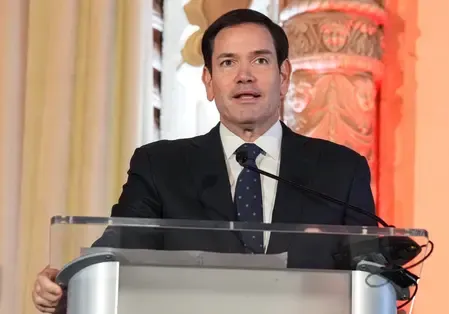
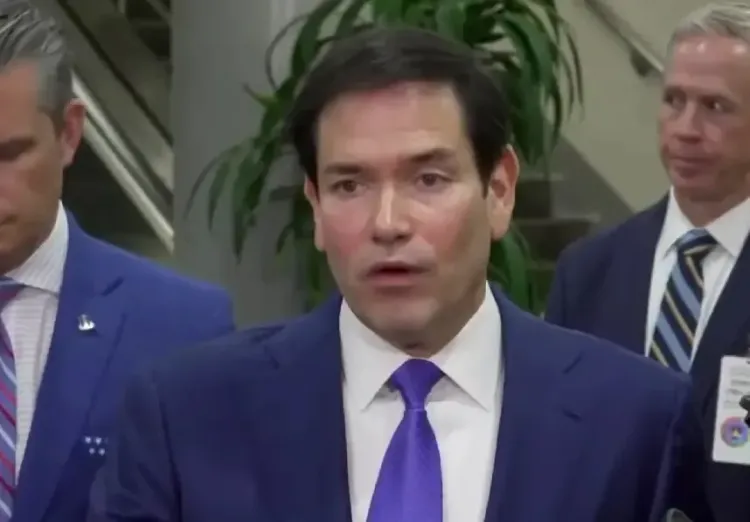
After a confidential meeting with legislators, Secretary of State Marco Rubio informed the media that Venezuela is unable to sell oil without US consent, emphasizing that Washington's influence over the nation's energy sector is crucial for stabilizing the situation following the ousting of President Nicolas Maduro.
"We have imposed an oil embargo on Venezuela. Any commercial activity requires our authorization," he stated.
Rubio explained that the United States is enforcing this embargo through an ongoing naval presence in the Caribbean and by approving only specific, US-overseen oil shipments. This strategy aims to curb corruption, prevent sanctions evasion, and ensure that oil revenues do not benefit criminal organizations.
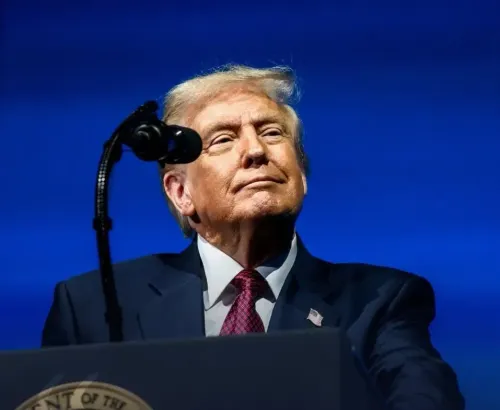
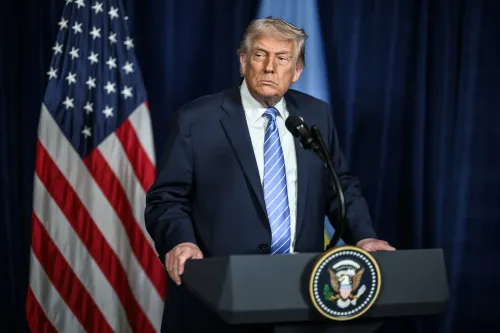
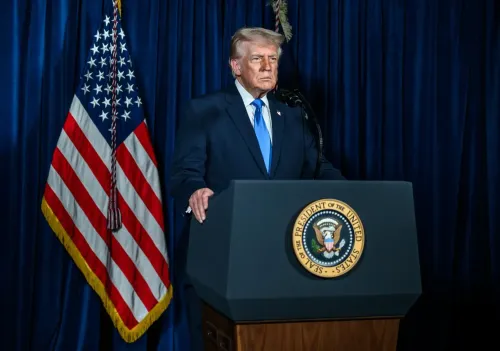
President Donald Trump reinforced this stance in a recent social media message, declaring that the interim authorities in Venezuela would hand over between 30 million and 50 million barrels of sanctioned oil to the United States.
Trump noted that the oil will be sold at market rates, with the proceeds managed by him for the benefit of both Venezuelans and Americans.
The Energy Department released a fact sheet stating that the US plans to oversee these sales, ensuring that proceeds are directed through US-controlled accounts. Officials mentioned that this arrangement facilitates limited oil flows while maintaining strict financial control from Washington.
For India, a major crude importer, these developments are being closely monitored. Venezuela possesses the largest proven oil reserves globally and was previously a significant supplier of heavy crude to Indian refineries until US sanctions halted imports in 2019. The potential re-entry of Venezuelan oil into the global market—albeit under US supervision—could affect supply dynamics, pricing, and competition among leading buyers.
Republican lawmakers have lauded the strategy as decisive, with Senator John Cornyn stating that the oil management operation sends a clear signal that the US will uphold sanctions and hold leaders accountable. Senator John Barrasso characterized the Maduro operation as one of the most significant law enforcement initiatives in decades, arguing that tightened control over Venezuelan oil diminishes a sanctions-defying network involving China, Russia, and Iran.
In contrast, Democrats have raised concerns regarding the evolving justifications and the lack of prior congressional authorization. Following a classified House briefing, Representative Gregory Meeks, the leading Democrat on the House Foreign Affairs Committee, expressed that the administration's goals seem to have shifted "from drugs to regime change to controlling a country and its oil."
"The administration owes Congress and the American public a transparent and honest account of its true objectives in Venezuela," Meeks asserted.
Senate Democratic Whip Dick Durbin echoed these sentiments on the Senate floor, noting that lawmakers emerged from briefings with "more questions than answers," particularly concerning costs, duration, and the potential for a prolonged US involvement related to oil infrastructure.
Another contentious issue is whether US actions equate to de facto control over Venezuela's energy sector.
Indian American Congressman Raja Krishnamoorthi announced intentions to introduce legislation prohibiting the use of federal funds for occupying or managing Venezuela, including its oil sector, without explicit congressional approval.
The Trump administration has dismissed all allegations of occupation.
Rubio reassured lawmakers that control over oil is a temporary measure for stabilization, not a permanent seizure.
The Energy Department fact sheet indicated that Venezuela's infrastructure is in a state of severe disrepair and will necessitate years of effort and foreign expertise for restoration.
Point of View
It is crucial to approach this situation with a balanced perspective. While the U.S. seeks to exert control over Venezuela's oil, it's essential to consider the broader implications for international relations and oil markets. The dialogue in Congress reflects diverse viewpoints, highlighting the complexities of foreign policy decisions.
NationPress
20 Sept 2026
Frequently Asked Questions
What is the current status of US sanctions on Venezuela's oil?
The Trump administration is reinforcing sanctions on Venezuela's oil exports, requiring US approval for any oil transactions.
How does this affect global oil markets?
The potential re-entry of Venezuelan oil, even under US supervision, could impact supply, pricing, and competition among major importers.
What are lawmakers saying about this strategy?
Republicans support the strategy as decisive, while Democrats express concerns about its justification and potential overreach.
What are the implications for Venezuela's oil sector?
The U.S. aims to stabilize Venezuela's oil sector post-Maduro, but the infrastructure requires extensive repairs and foreign expertise.
Is Congress involved in the decision-making process?
Lawmakers are calling for clearer objectives and legal justification from the administration regarding its actions in Venezuela.