Has the US Squeezed Out China from Venezuelan Crude?
Synopsis
The U.S. has dramatically restricted China's access to Venezuelan oil through sanctions and a naval blockade. This shift not only affects global oil markets but also intensifies competition among Asian importers like India, raising significant geopolitical questions.
Key Takeaways
U.S. sanctions on Venezuela are reshaping global oil flows.
China faces restrictions on accessing Venezuelan crude.
India and China are competing for limited oil supplies.
Venezuela's significance as an oil supplier is challenged.
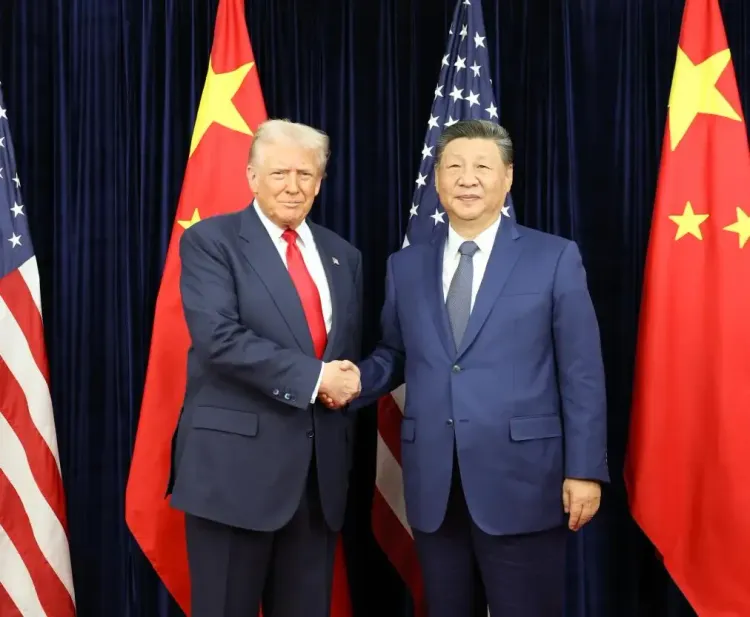
Political implications are vast, affecting U.S.-China relations.
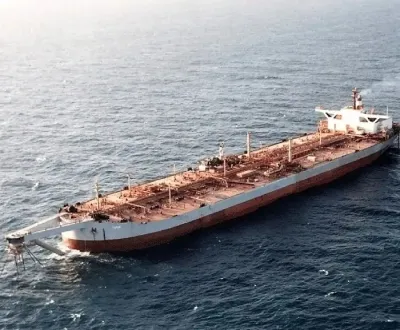
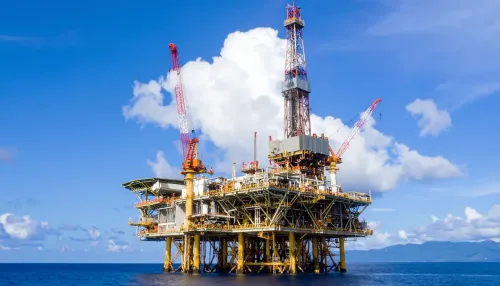
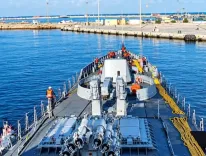
Washington, Jan 8 (NationPress) The Trump administration has significantly curtailed China's access to Venezuelan oil through stringent sanctions, the confiscation of tankers, and the establishment of a U.S. naval quarantine in the Caribbean.
This strategy could alter global crude distribution and heighten rivalry among key Asian importers, notably India.
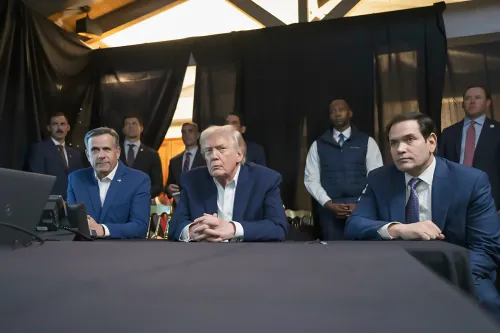
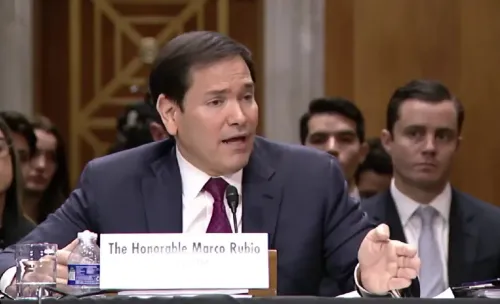
U.S. officials assert that Venezuela's oil exports can no longer operate freely, with each shipment now necessitating explicit approval from the U.S. Secretary of State Marco Rubio emphasized that Washington possesses effective control over the timing and method of Venezuelan crude entering the global markets.
"We have an oil embargo on Venezuela," Rubio stated, as reflected in administration transcripts. "For them to engage in any commerce, they require our permission."
This control, according to officials, has severed China's access to discounted Venezuelan oil, which Beijing had continued to purchase despite enduring U.S. sanctions. Chinese enterprises had depended on networks to evade sanctions, employing obscure shipping and payment methods to transport crude from Venezuela. Documentation from the Energy Department indicates that U.S. enforcement actions and the naval blockade have effectively dismantled unauthorized export channels.
Republican lawmakers have explicitly connected China to those previous flows. Senator John Barrasso remarked that Venezuela had become a crucial supplier for Beijing despite sanctions, noting, "Communist China was purchasing half a million barrels of oil daily from Venezuela," contending that these transactions persisted because sanctions were "never enforced."
Barrasso added that the dynamics have shifted under the current administration, stating, "President Trump has begun to turn the tide," characterizing the intensified enforcement as a setback to what he referred to as a sanctions-defying network involving China, Russia, and Iran.
Senator John Cornyn echoed this sentiment, describing Venezuela as part of an "Axis of Evasion" utilized by U.S. adversaries to circumvent pressure. "Venezuela played a significant role in what they refer to as the Axis of Evasion," Cornyn commented during Senate discussions.
Administration documents support these assertions, stating that unauthorized exports are no longer tolerated. The Energy Department confirmed that a naval quarantine remains active concerning sanctioned Venezuelan oil, with only U.S.-approved and supervised sales permitted.
Senator Eric Schmitt stated the repercussions on China are already evident. "That naval quarantine remains on currently sanctioned oil," Schmitt remarked in a televised interview referenced in the documents. "China cannot access it through shadow fleets at this time."
India and China are among the globe's largest oil importers and frequently compete for supply, particularly for heavy crude grades suitable for complex refineries. Venezuela boasts the world's largest proven oil reserves and was a significant supplier to Indian refiners prior to U.S. sanctions in 2019.
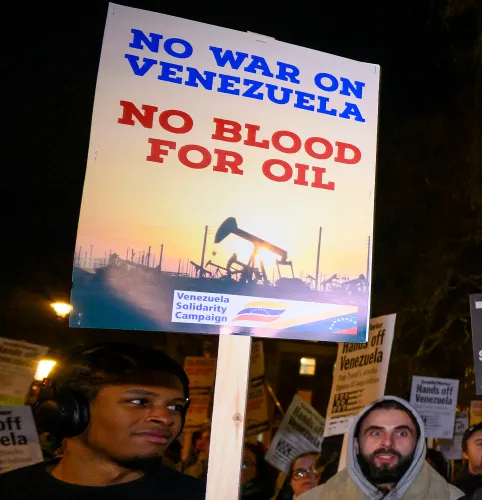
However, Democrats question whether the administration is genuinely taking control of another nation's energy sector.
Representative Gregory Meeks, the leading Democrat on the House Foreign Affairs Committee, expressed that the administration's goals seem to have evolved "from drugs to regime change to controlling a country and its oil."
Point of View
I believe this significant shift in U.S. policy not only affects oil markets but also poses questions about international governance and the ethics of controlling resources in another nation. It is crucial to follow these developments closely.
NationPress
19 Sept 2026
Frequently Asked Questions
What actions has the U.S. taken against Venezuelan oil?
The U.S. has imposed sanctions, seized tankers, and established a naval quarantine to restrict Venezuela's oil exports.
How does this affect China's oil imports?
China's access to Venezuelan oil has been severely limited, with U.S. enforcement cutting off previously used sanctions-evasion routes.
What role does Venezuela play in global oil markets?
Venezuela, possessing the world's largest proven oil reserves, was a major supplier to countries like India before U.S. sanctions were enacted.
How are U.S. lawmakers responding to this situation?
Republican lawmakers have expressed satisfaction with the current administration's enforcement of sanctions, stating it has disrupted China's oil acquisition.
What are the potential implications of these actions?
These developments may reshape global oil distribution, impacting competition among major importers and international relations.