Rising Fuel Prices Intensify Economic Struggles in Pakistan
Synopsis
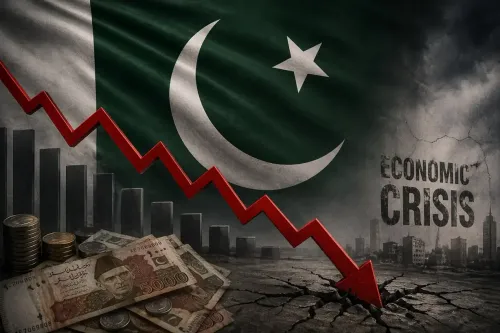
As geopolitical tensions escalate, Pakistan faces mounting economic challenges due to rising fuel prices. This report explores the ripple effects on essential goods, household burdens, and the broader economy, emphasizing the urgent need for policy clarity.
Key Takeaways
Rising fuel prices are straining the economy and household budgets in Pakistan.
Fuel serves as a critical input, affecting many sectors.
The concept of 'psychological inflation' exacerbates price increases.
The government's fiscal constraints limit its ability to mitigate price shocks.
Policy consistency and communication are vital for economic stability.
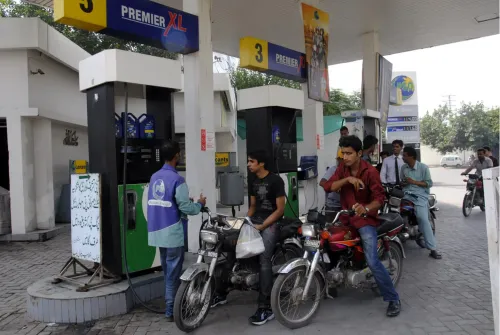
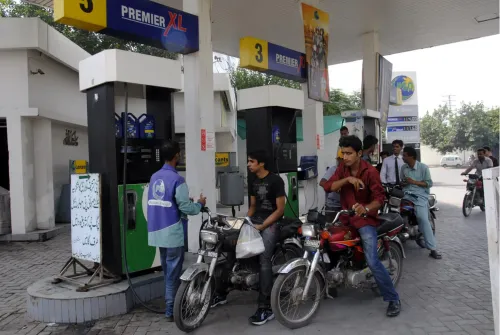
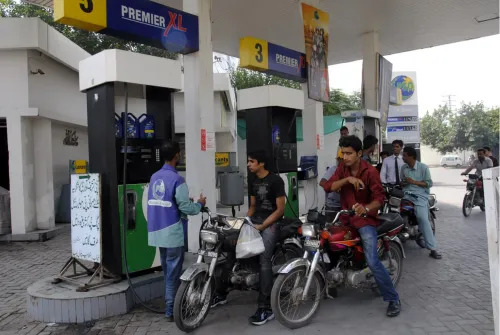
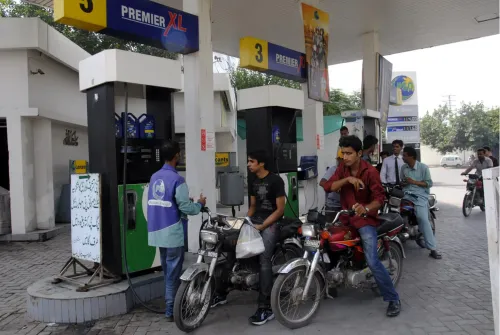
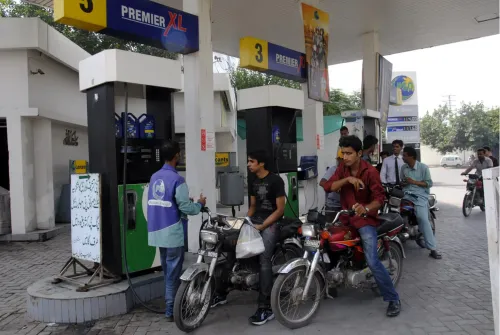
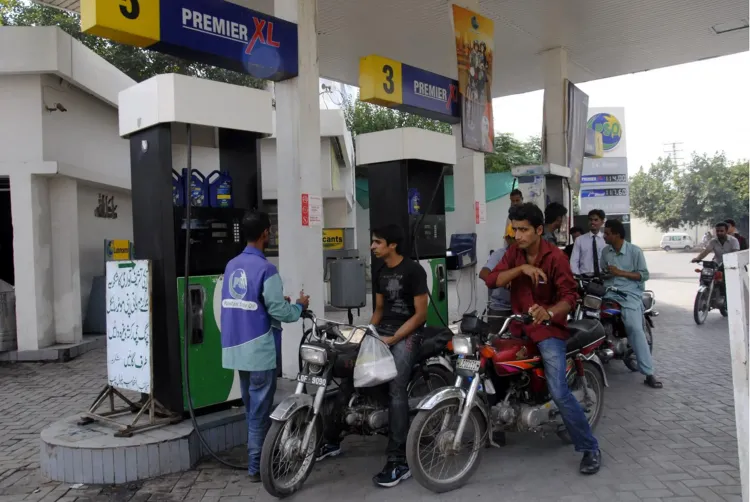
New Delhi, April 11 (NationPress) As geopolitical tensions escalate following Israel's offensive against Lebanon's Hezbollah, the already vulnerable economy of Pakistan is under increasing strain. A report indicates that surging fuel prices are creating a significant ripple effect across the economy, elevating the costs of essential goods and placing additional burdens on households.
As detailed in a Business Recorder report, adjustments in fuel prices—often influenced by global crude oil trends, fluctuations in exchange rates, and fiscal pressures—have a more pronounced impact in Pakistan due to its structural weaknesses and insufficient regulatory oversight.
This report emphasizes that fuel serves as a critical component across various sectors, and any uptick in prices rapidly translates into higher transportation costs. Consequently, this leads to increased prices for food and other necessities. As the costs of supply chains rise, the burden inevitably shifts to consumers, intensifying inflationary pressures.
"In Pakistan, increases in fuel prices extend beyond mere energy costs—they reverberate throughout the entire economy," the report notes.
The situation is worsened by a loosely regulated market environment, where intermediaries frequently pass on heightened costs while inflating their own margins, resulting in price hikes that surpass the actual effects of fuel increases.
The report also points out the influence of 'psychological inflation,' where the anticipation of rising costs leads businesses to preemptively raise prices, further exacerbating the impact on consumers.
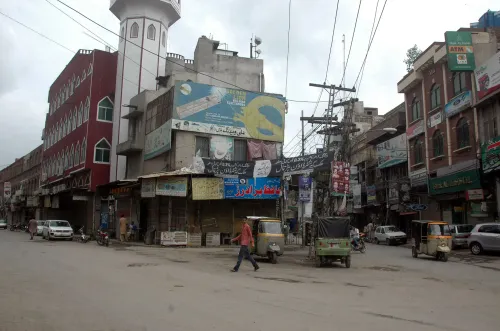
For households, especially those with limited incomes and savings, the cumulative effects are significant. Rising fuel prices lead to increased daily expenses, diminished purchasing power, and heightened uncertainty regarding future financial outlays.
Pakistan's fiscal limitations, including obligations tied to International Monetary Fund (IMF) programs, restrict the government's ability to mitigate price shocks through subsidies, making necessary adjustments unavoidable.
However, concerns persist regarding policy consistency, with sudden price changes and occasional reversals contributing to market uncertainty. The report suggests that clearer communication and stable pricing mechanisms could help alleviate the broader economic impact.
Until then, fluctuations in fuel prices are poised to continue affecting Pakistan's economy, escalating inflationary pressures and deepening the strain on households.
Point of View
The current economic landscape in Pakistan is alarming. The interplay of geopolitical tensions and rising fuel prices paints a concerning picture for households. The government's role in stabilizing prices is crucial, yet fiscal constraints limit effective intervention.
NationPress
18 Sept 2026
Frequently Asked Questions
How are rising fuel prices affecting everyday life in Pakistan?
Rising fuel prices are leading to increased transportation costs, which consequently raise the prices of food and essential goods, straining household budgets.
What are the underlying causes of fuel price increases in Pakistan?
Fuel price adjustments in Pakistan are influenced by global oil trends, exchange rate fluctuations, and fiscal pressures, exacerbated by structural economic weaknesses.
What is 'psychological inflation' and how does it impact consumers?
'Psychological inflation' refers to the preemptive price increases by businesses due to expectations of rising costs, further compounding financial pressures on consumers.
How is the government responding to the fuel price crisis?
The government's ability to respond is limited by fiscal constraints tied to IMF obligations, making it challenging to absorb price shocks through subsidies.
What steps can be taken to stabilize fuel prices in Pakistan?
Clear communication and predictable pricing mechanisms from the government can help moderate the economic impact of fuel price fluctuations.