Indian civil society flags PoJK rights violations at UNHRC Session 63
Synopsis
At the UNHRC's 63rd session in Geneva, an Indian civil society group put PoJK under the international spotlight — citing escalating protests since June, alleged disproportionate force by security forces, and an economic backdrop of inflation and unemployment. The intervention frames the crisis as part of a wider South Asian civic space collapse, marking a significant diplomatic-level push to internationalise the PoJK rights discourse.
Key Takeaways
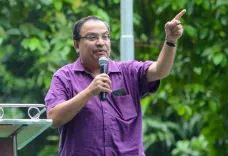
An Indian civil society representative raised PoJK human rights concerns at the UNHRC 63rd session in Geneva on 18 September 2026 .
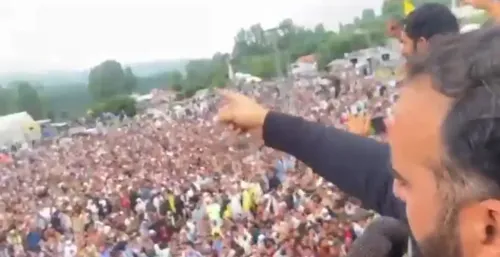
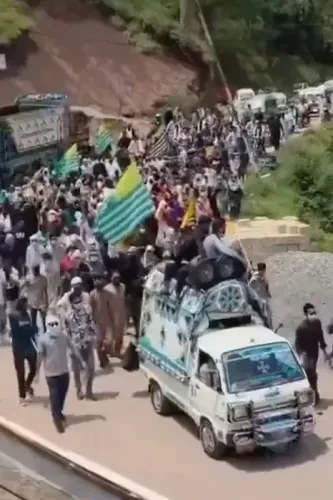
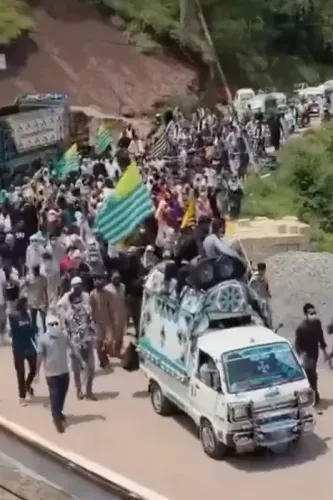
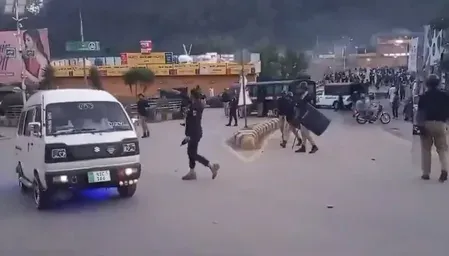
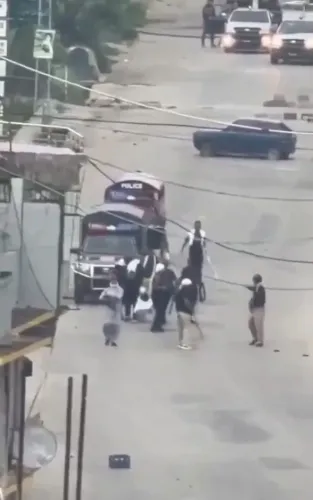
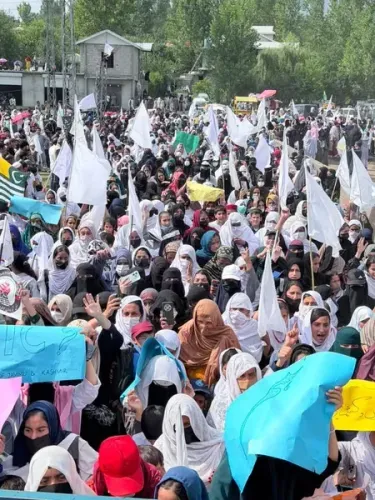
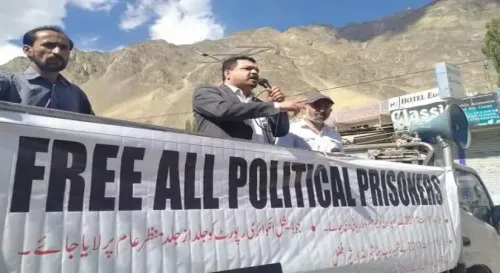
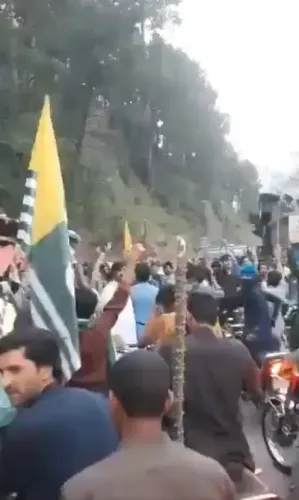
Protests and tensions in PoJK have reportedly escalated since June , with allegations of disproportionate use of force by security forces.
The group linked unrest to economic hardship — including inflation and unemployment — under Pakistani administration.
The statement described a South Asia-wide civic space crisis , citing restrictive legislation and digital censorship.
The representative also acknowledged pressure on civic space within India , calling for collective international attention.
The intervention was made under Item 3 (civic space and democratic participation) of the UNHRC session.
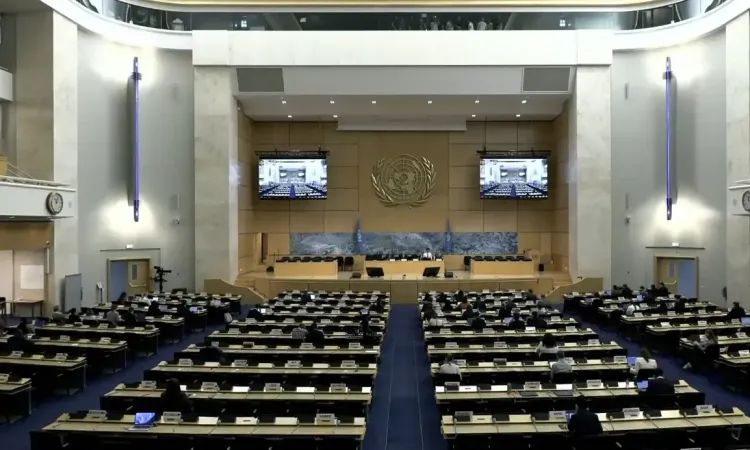
An Indian civil society representative raised serious concerns over alleged human rights violations and shrinking civic space in Pakistan-occupied Jammu and Kashmir (PoJK) at the 63rd session of the United Nations Human Rights Council (UNHRC) in Geneva on 18 September 2026. The intervention was made under the General Debate on civic space and democratic participation, a standing agenda item that draws participation from member states and civil society groups worldwide.
Key Concerns Raised Over PoJK
The Indian civil society group drew pointed attention to an escalation of protests and tensions in PoJK since June, citing reports of loss of life and what it described as the alleged disproportionate use of force by security forces in the region. The statement called for accountability, dialogue and protection of fundamental freedoms in the territory.
Notably, the group also linked the rising public unrest to deep-rooted economic grievances, including inflation and unemployment — framing the rights crisis as inseparable from the region's developmental failures under Pakistani administration.
South Asia's Broader Civic Space Crisis
'South Asia is also experiencing a serious civic-space crisis,' the representative said, pointing to what the group described as restrictive legislation, digital censorship and growing intolerance towards public dissent in parts of the region. The statement placed PoJK within a wider pattern of civic space deterioration, arguing the problem was structural rather than isolated.
The intervention came during a broader UNHRC discussion on challenges facing civil society globally. The group noted that peaceful protesters, human rights defenders and civil society organisations in multiple parts of the world faced arbitrary detention, excessive use of force, legal harassment and other forms of intimidation.
India's Civil Society Record Cited
In a notable dual framing, the Indian representative also highlighted India's own tradition of voluntary action and civic engagement, crediting civil society initiatives with contributing to landmark democratic reforms including the Right to Information Act. At the same time, the statement acknowledged that the prevailing social and political environment had placed increasing pressure on civic space within the country as well, and called for collective attention to the issue.
Call to the International Community
Concluding the intervention, the representative urged the international community to protect and strengthen civic space and ensure that short-term political or security imperatives did not erode democratic freedoms. The statement was formally submitted under Item 3 of the council's agenda at UNHRC Session 63 in Geneva.
The council session continues, with civil society organisations from multiple countries scheduled to make further submissions on civic space conditions in their respective regions.
Point of View
Indian civil society groups are effectively internationalising a dispute that Pakistan has historically tried to frame as bilateral. The dual acknowledgement of pressure on India's own civic space, while pointed, lends the statement a measure of credibility that purely adversarial interventions often lack. What is worth watching is whether this civil society push gets official diplomatic backing, or remains a standalone voice at the council. If PoJK's economic grievances — inflation, unemployment — are as acute as described, the humanitarian dimension may yet command more sustained UNHRC attention than the geopolitical framing alone.
NationPress
18 Sept 2026
Frequently Asked Questions
What did Indian civil society say at the UNHRC about PoJK?
An Indian civil society representative told the 63rd UNHRC session in Geneva that protests and tensions in Pakistan-occupied Jammu and Kashmir had escalated since June, with reports of loss of life and alleged disproportionate use of force by security forces. The group called for accountability, dialogue and protection of fundamental freedoms in the region.
Where and when was this statement made?
The statement was delivered on 18 September 2026 at the 63rd session of the United Nations Human Rights Council in Geneva, under the General Debate on civic space and democratic participation (Item 3).
What economic concerns did the group raise about PoJK?
The Indian civil society group linked the rising public unrest in PoJK to economic difficulties, specifically citing inflation and unemployment as drivers of the growing grievances among the region's population.
Did the statement mention India's own civic space situation?
Yes. While highlighting PoJK and broader South Asian concerns, the representative also acknowledged that India's prevailing social and political environment had placed increasing pressure on civic space domestically, and called for collective attention to the issue globally.
Why does a civil society statement at the UNHRC matter geopolitically?
Raising PoJK at a UN multilateral forum like the UNHRC places the territory's human rights situation under international scrutiny, countering Pakistan's longstanding effort to keep the dispute within a bilateral framework. Sustained civil society interventions can influence council resolutions and special rapporteur mandates.