PoK unrest: Pakistani forces allegedly fire on civilians in Bagh, JAAC urges UN probe
Synopsis
Pakistani security forces allegedly opened live fire on unarmed civilians in PoK's Bagh district and torched motorcycles in Muzaffarabad — with over 50 reportedly dead and a communications blackout blocking independent verification. Amnesty International is now demanding a transparent probe, as JAAC takes its case directly to the UN.
Key Takeaways
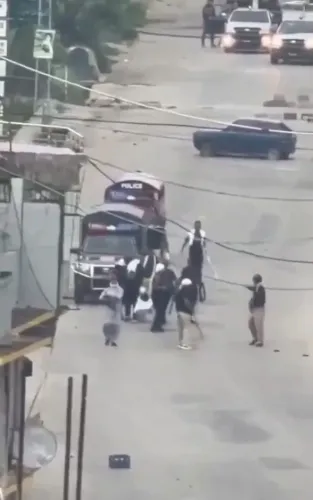
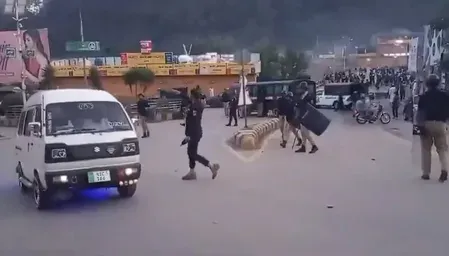
The JAAC alleged Pakistani forces used live fire and tear gas on unarmed civilians in Bagh district, PoK on 4 August .
Security personnel reportedly set fire to civilians' motorcycles in Makri, Muzaffarabad district .
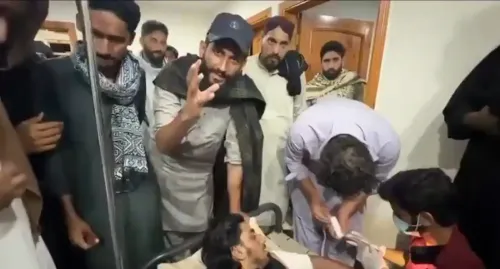
More than 50 people have reportedly been killed and hundreds injured across PoK over the past few days.
Amnesty International described events in Rawalakot as part of a 'longstanding pattern of unlawful violence' and demanded an independent investigation.
An internet and mobile services blackout is reportedly in place, hampering independent verification of events on the ground.
The JAAC has formally appealed to the United Nations and OHCHR to monitor the situation and press for accountability.
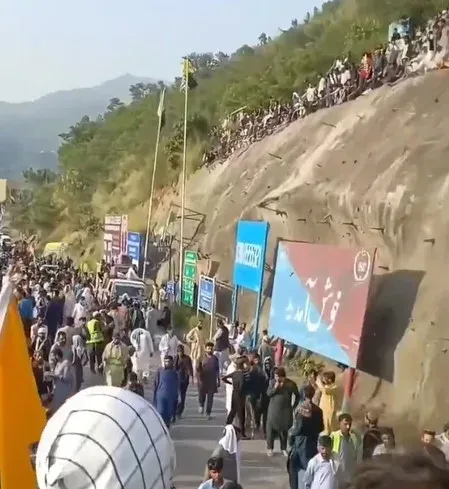
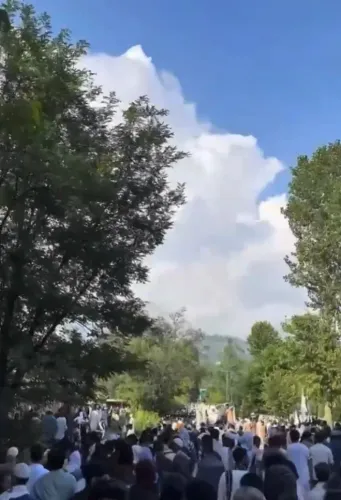
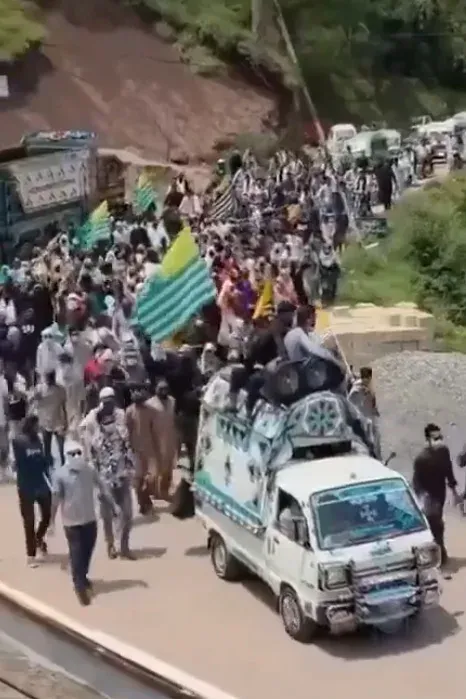
The Joint Awami Action Committee (JAAC) on Tuesday, 4 August alleged that Pakistani security forces opened live fire and deployed tear gas against unarmed civilians in Bagh district of Pakistan-occupied Kashmir (PoK), as a widening crackdown on protesters drew sharp international condemnation. The allegations mark a significant escalation in what has become one of the most volatile periods of civil unrest in the occupied territory in recent memory.
Key Allegations
According to the JAAC, security personnel also set fire to civilians' motorcycles in the Makri area of Muzaffarabad district. The committee shared footage of both incidents on social media platform X, calling on the United Nations, the Office of the UN High Commissioner for Human Rights (OHCHR), international media, and human rights organisations to urgently monitor the situation.
In its post, JAAC stated: 'Security forces are using live fire and tear gas against unarmed civilians in Bagh. We call on the United Nations, OHCHR, international media, and human rights organisations to urgently monitor the situation and press for the protection of civilians and accountability for any unlawful use of force.'
Scale of the Crackdown
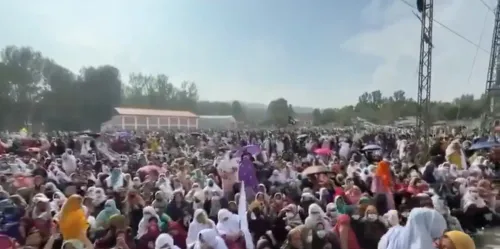
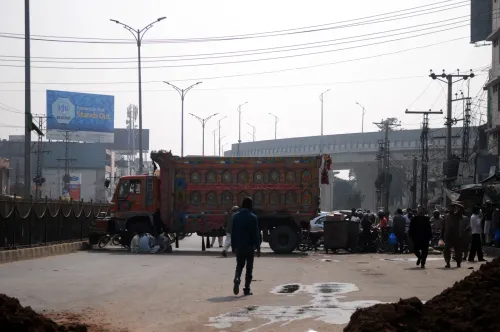
These latest incidents come amid what the JAAC describes as escalating brutality across PoK, where over 50 people have reportedly been killed and hundreds injured over the past few days. The committee has urged an immediate and independent international investigation and called for accountability for any unlawful use of force by security personnel.
Notably, an internet and mobile services blackout reportedly remains in place across parts of the region, severely hampering independent verification of the full extent of events on the ground.
Amnesty International Weighs In
Leading international human rights organisation Amnesty International called on Pakistani authorities to order a prompt, independent, and transparent investigation into the security forces' conduct against protesters. In a post on X, Amnesty International described reports emerging from Rawalakot as reflecting Pakistani authorities' 'longstanding pattern of unlawful violence' against protesters in PoK.
'A prompt, independent, and transparent investigation must be ordered into the security forces' use of force against protesters. So long as an internet and mobile services blackout remains in place, it will severely impede the independent verification of the full extent of the situation on the ground,' Amnesty International said.
What Happens Next
The JAAC's appeal to the UN and OHCHR signals a deliberate internationalisation of the crisis — a strategy that puts pressure on Islamabad at a time when Pakistan's human rights record is already under scrutiny from multiple multilateral bodies. Whether international institutions respond with formal monitoring mechanisms or statements will likely determine the next phase of the standoff. The communication blackout, if sustained, risks deepening the information vacuum and further inflaming tensions on the ground.
Point of View
Casualty figures and video evidence remain unverifiable, which cuts both ways — it shields Pakistani authorities from accountability while also making JAAC's claims impossible to fully corroborate. Amnesty International's invocation of a 'longstanding pattern' is significant; it places these events in a structural frame rather than treating them as isolated incidents. The real question is whether international bodies will move beyond statements to formal monitoring — and whether Islamabad's response will be containment or engagement.
NationPress
18 Sept 2026
Frequently Asked Questions
What did the JAAC allege about Pakistani forces in PoK?
The Joint Awami Action Committee (JAAC) alleged that Pakistani security forces opened live fire and used tear gas against unarmed civilians in Bagh district of Pakistan-occupied Kashmir on 4 August. The committee also claimed security personnel set fire to civilians' motorcycles in the Makri area of Muzaffarabad district.
How many people have reportedly been killed in the PoK unrest?
According to the JAAC, over 50 people have reportedly been killed and hundreds injured across Pakistan-occupied Kashmir over the past few days. These figures have not been independently verified, partly due to an ongoing internet and mobile services blackout in the region.
What has Amnesty International said about the PoK crackdown?
Amnesty International called on Pakistani authorities to order a prompt, independent, and transparent investigation into security forces' use of force against protesters. The organisation described reports from Rawalakot as reflecting a 'longstanding pattern of unlawful violence' against protesters in PoK.
Why is the communications blackout in PoK significant?
An internet and mobile services blackout reportedly in place across parts of PoK is severely hampering the independent verification of events on the ground. Amnesty International has specifically flagged this blackout as an obstacle to assessing the full extent of the situation.
What action has the JAAC demanded from international bodies?
The JAAC has urged the United Nations, the OHCHR, international media, and human rights organisations to closely monitor the deteriorating situation in PoK, press for an immediate and independent investigation, and ensure accountability for any unlawful use of force by security personnel.