PoK crisis deepens: 20 dead, thousands protest as JAAC crackdown escalates
Synopsis
Pakistan-occupied Kashmir is in the grip of its worst civil crisis in years — at least 20 civilians dead, 515 arrested, and an entire region cut off from banking, fuel, and the internet. With thousands massed near Rawalakot and the 27 July polls looming, Islamabad faces a political reckoning it has so far tried to silence rather than solve.
Key Takeaways
At least 20 civilians were killed and hundreds injured in PoK between 6 and 14 June amid protests against the JAAC crackdown.
Regional police chief Liaqat Ali Malik confirmed 4 officers killed, 97 wounded, and 515 arrests.
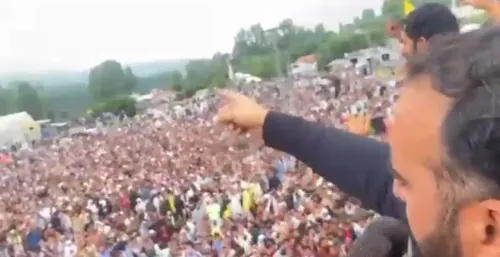
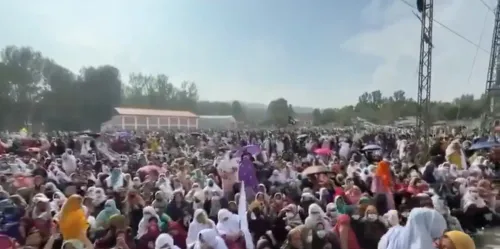
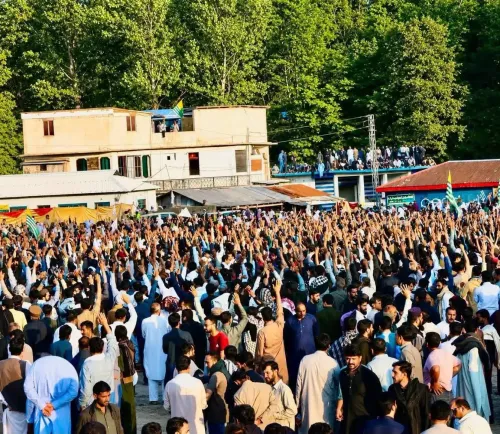
Thousands of JAAC supporters are gathered near Rawalakot , roughly 100 km south of Muzaffarabad .
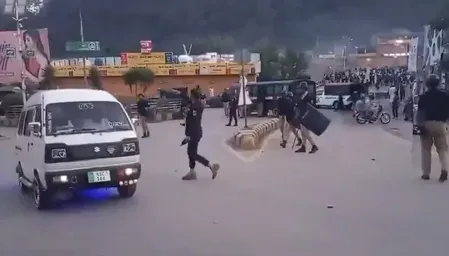
Authorities have suspended internet services, sealed roads, and restricted media access across several PoK areas.
UK Conservative MP Bob Blackman condemned the crackdown in the British Parliament , alleging live ammunition was fired on peaceful protesters.
Daily-wage workers face total income loss; banking, fuel stations, and most businesses remain shut.
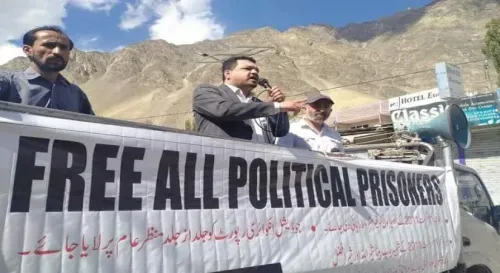
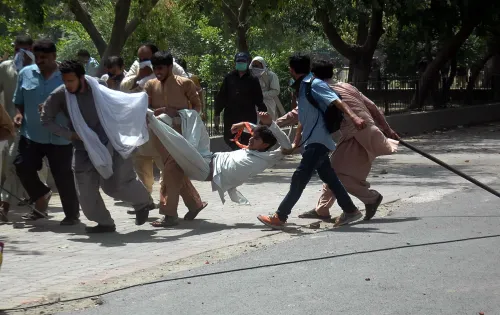
Pakistan-occupied Kashmir (PoK) has descended into its most severe civil crisis in years, with at least 20 civilian deaths and hundreds of injuries reported between 6 and 14 June, following a brutal crackdown on protesters backed by the now-banned Joint Awami Action Committee (JAAC). Daily life across the region has ground to a halt as authorities impose sweeping restrictions, including internet blackouts, road blockades, and a near-total media clampdown.
How the Unrest Unfolded
The crisis was triggered ahead of a 9 June strike organised by the JAAC, which had called for action against the reservation of 12 seats in the upcoming 27 July regional polls. What began as a political protest rapidly spiralled into a violent confrontation. Regional police chief Liaqat Ali Malik confirmed that four officers were killed and 97 wounded, while 515 arrests were made, according to a report in British newspaper The Independent. Protesters and local groups, however, claim the death toll is significantly higher — between 20 and 30 — with over 200 injuries.
Situation on the Ground
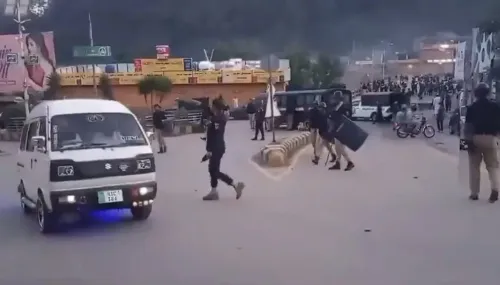
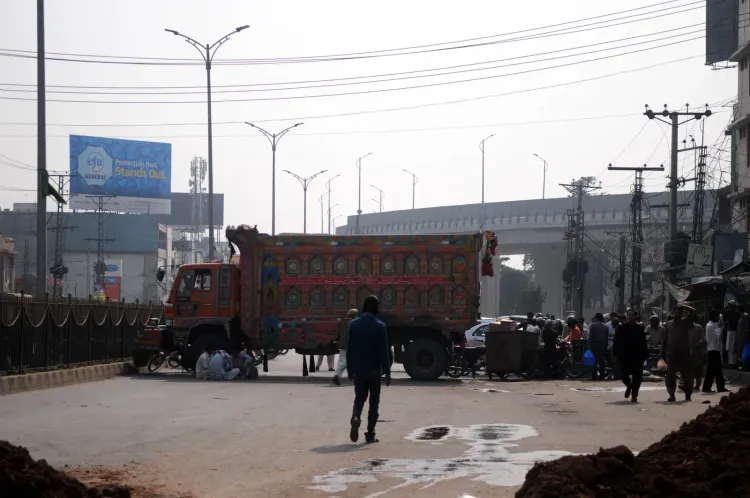
Thousands of JAAC supporters have reportedly gathered on the outskirts of Rawalakot, approximately 100 km south of Muzaffarabad. Pakistani authorities have responded by sealing key road links, suspending internet and satellite services, and restricting media access across several areas. ATM and banking operations have been suspended due to the communications blackout. Fuel stations remain closed, and most businesses have shut down, with only medical stores and a handful of grocery shops reopening for limited hours.
Human Cost: Blue-Collar Workers Bear the Brunt
The economic paralysis has hit daily-wage earners hardest. Ikhlaq Ahmed, a 27-year-old day labourer from Muzaffarabad's Upper Adda commercial district, told The Independent: 'Since June 9, I have not earned a single rupee.' A driver, Asif Naz, captured the desperation more starkly: 'Those with resources may sustain it, but for blue-collar workers like us, it is self-slaughter.'
International Reaction: UK Parliament Speaks Out
The unrest has drawn condemnation from the United Kingdom. Bob Blackman, Conservative Party leader and Member of Parliament, strongly denounced the Pakistani authorities' response during a session in the British Parliament, calling it a 'despicable action.' Blackman stated: 'The illegal occupation of part of the Kashmir Valley by Pakistan has been going on since 1947. The Joint Awami Action Committee have been demonstrating for basic rights to food, electricity, and healthcare. But the Pakistani authorities have launched a severe crackdown... Pakistani forces have fired live ammunition on peaceful protesters.' He also noted that a number of British nationals may have been injured in the violence.
What Comes Next
The JAAC's banning and the scale of the crackdown represent a significant political challenge for Islamabad, which faces mounting pressure both domestically and internationally. With the 27 July polls approaching and thousands still gathered near Rawalakot, the risk of further escalation remains high. The discrepancy between official and protester casualty figures underscores the urgency of independent verification — something that remains impossible while media access is blocked.
Point of View
It forfeits the credibility to set the narrative. Islamabad's decision to ban the JAAC rather than negotiate has transformed a localised electoral grievance into a full-scale legitimacy crisis, and the approaching 27 July polls now risk being held over a population under siege. International pressure, so far limited to parliamentary statements in Westminster, has not translated into any accountability mechanism — and without one, the information blackout will outlast the protests.
NationPress
19 Sept 2026
Frequently Asked Questions
What triggered the unrest in Pakistan-occupied Kashmir?
The unrest was triggered by a 9 June strike called by the Joint Awami Action Committee (JAAC) to oppose the reservation of 12 seats in the 27 July regional polls. Pakistani authorities responded with a severe crackdown, leading to civilian deaths, mass arrests, and widespread protests across PoK.
How many people have been killed in the PoK protests?
Official Pakistani sources reported at least 20 civilian deaths between 6 and 14 June, while protester groups claim the toll is between 20 and 30. UK MP Bob Blackman cited figures of at least 11 killed in his Parliament speech, reflecting the uncertainty caused by the media blackout.
What restrictions have Pakistani authorities imposed in PoK?
Authorities have sealed key road links, suspended internet and satellite services, halted ATM and banking operations, and restricted media access across several areas of PoK. Fuel stations remain closed, and most businesses have shut down, severely impacting daily life.
Who is the JAAC and why was it banned?
The Joint Awami Action Committee (JAAC) is a civil society coalition in PoK that has been demonstrating for basic rights including food, electricity, and healthcare. Pakistani authorities recently banned the organisation amid the escalating protests, a move that has further inflamed tensions on the ground.
What has the international community said about the PoK crackdown?
UK Conservative MP Bob Blackman condemned the crackdown in the British Parliament, calling it a 'despicable action' and alleging that Pakistani forces fired live ammunition on peaceful protesters. He also noted that British nationals may have been among those injured.