PoK unrest exposes Pakistan's pattern of deception on Kashmir
Synopsis
Pakistan's dismissal of the JAAC as a 'terrorist' body — after months of talks that locals say were a stalling tactic — has triggered one of the most severe crackdowns in PoK in recent memory. With 14 reportedly killed, over 1,000 injured, and a full media blackout in place, the crisis is laying bare what critics describe as Pakistan's colonial treatment of its own occupied territory.
Key Takeaways
Pakistan's occupying administration dismissed the JAAC on 5 June , labelling it an Indian agent and terrorist organisation.
An estimated 26,000 police and military personnel were deployed against protesters in PoK .
According to reports, 14 people were killed , more than 1,000 injured , and 300 remain missing .
Phone, internet, and media access were reportedly blocked; journalists were allegedly arrested and tortured.
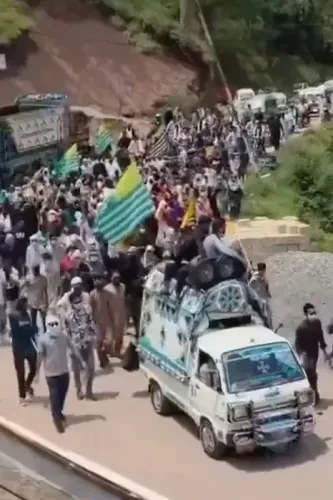
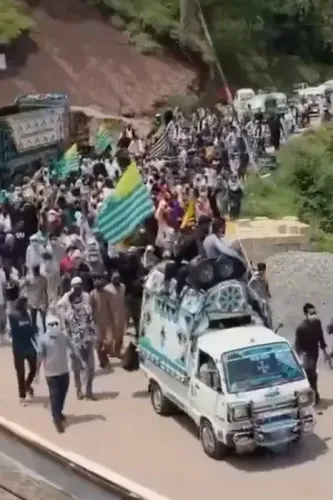
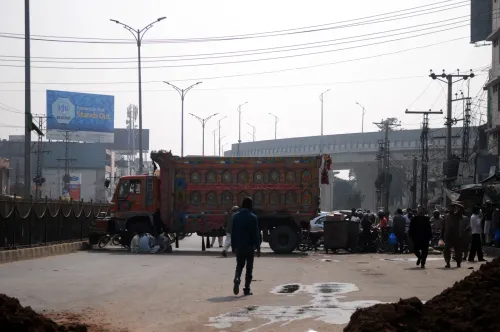
A shutter-down and wheel-jam strike in Muzaffarabad on 9 June was widely observed across PoK.
Residents have called for UN intervention and an ICJ complaint against Pakistan over the crackdown.
Pakistan-occupied Kashmir (PoK) has been gripped by a deepening civil crisis since June 2024, as Islamabad's occupying administration dismissed the Joint Awami Action Committee (JAAC) on 5 June, branding it an Indian agent and a terrorist organisation. The move came after months of stalled negotiations that locals now believe were a deliberate stalling tactic, fracturing the movement's leadership and stalling its momentum.
What JAAC Is Demanding
The JAAC has put forward a set of structural reform demands centred on genuine autonomy for the region. These include the abolition of allowances, perks, and privileges for Pakistani officers stationed in PoK; the creation of an independent accountability body to combat entrenched corruption; and the elimination of what the committee describes as excessive tariffs and taxes — particularly contentious given that PoK is not constitutionally part of Pakistan.
The committee also demands an end to the appropriation of native lands and natural resources, as well as a halt to uncontrolled deforestation and the construction of mega dams, which it links to acute water scarcity and environmental degradation. A key political demand is the abolition of 12 reserved assembly seats currently held by individuals claiming descent from Kashmiri refugees from the Kashmir Valley and Jammu — some of whom reportedly occupy senior positions in the government and judiciary, including the current chief justice of the regional 'Supreme Court.'
Crackdown: Military Force and Alleged Atrocities
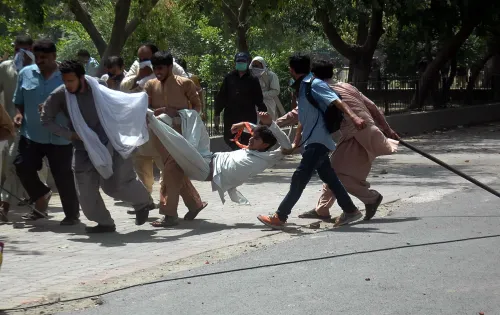
Rather than engaging with these demands, Pakistani authorities reportedly deployed 26,000 police and military personnel to suppress the protests. According to accounts from within the region, the local administration has been effectively sidelined, with the Pakistani military directly directing the response.
According to reports, 14 people were killed in attacks on demonstrators. More than 1,000 individuals — including women and children — were reportedly injured, and 300 remain missing, with some critically wounded persons allegedly removed from hospitals to undisclosed locations. Reports from within PoK indicate that snipers were deployed against protesters and that the army placed bounties of millions of rupees on the heads of JAAC leaders.
Media access has been blocked and phone and internet services suspended, according to reports. Journalists who attempted to document the violence were allegedly arrested and tortured. Mosques were reportedly infiltrated, with clergy pressured to condemn the JAAC. Medical personnel at hospitals were allegedly intimidated, and injured protesters denied care. Reports further allege that the bodies of deceased protesters were withheld from their families.
Women were reportedly assaulted in multiple towns during the crackdown, with accounts drawing comparisons — by residents and observers — to the violence that accompanied Pakistan's entry into the Kashmir Valley in 1947.
Electoral Context and Gilgit Baltistan
The military's urgency is reportedly linked to an assembly election scheduled for 27 July in PoK. On 7 June, Pakistan held an assembly election in Gilgit Baltistan — another territory under Pakistani administration — which critics allege was rigged in favour of the ruling party. In response, sections of PoK's population are reportedly considering boycotting Pakistani parties altogether. Nationalist and separatist candidates face a structural barrier: they are required to submit an affidavit of loyalty to Pakistan before contesting.
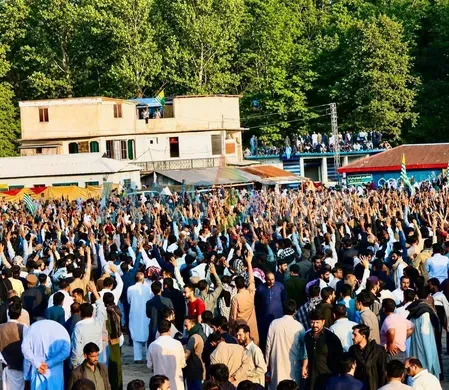
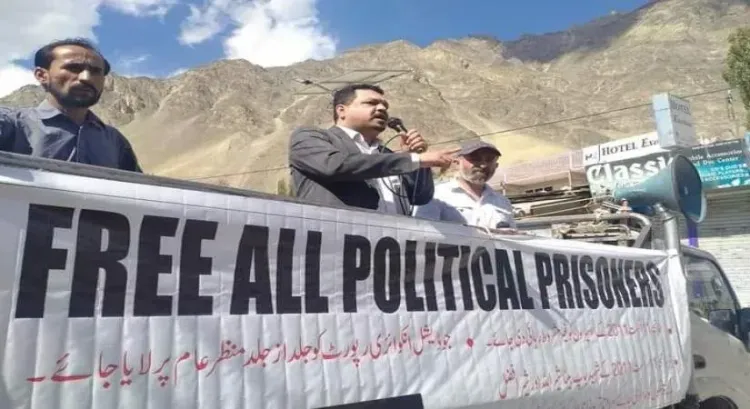
Despite the crackdown, the JAAC staged a shutter-down and wheel-jam strike in Muzaffarabad on 9 June, which was described as widely observed across PoK. Millions of residents were reported to be converging on the capital in solidarity with the movement.
Broader Implications: Pakistan's Regional Credibility
The crisis in PoK has drawn scrutiny over Pakistan's role as a regional mediator. Senge Sering, founder of the Washington-based Institute for Gilgit Baltistan Studies, argues that a country unable to ensure peace for its own residents cannot credibly position itself as a peace broker between other nations. Sering contends that Pakistan's financial and geopolitical interests are prolonging regional tensions rather than resolving them.
Residents of PoK have reportedly appealed for India to file a complaint against Pakistan at the International Court of Justice, and for the United Nations to convene a special session on the situation. They have also called on the UN to hold Pakistan to its 1948 commitment to withdraw fully from PoK, including Gilgit Baltistan. As the situation remains volatile, international attention on the territory's status is likely to intensify.
Point of View
Not a community with rights, and the JAAC's dismissal as a 'terrorist' body follows a familiar script: negotiate, stall, then delegitimise. What is different this time is the scale of documented resistance and the explicit calls from within PoK for international legal redress. The media blackout and alleged hospital intimidation suggest Islamabad is acutely aware of how damaging this footage is globally. The deeper contradiction — a country that markets itself as a regional peace broker while deploying snipers against its own administered population — deserves far sharper scrutiny from Washington and Beijing than it has received.
NationPress
19 Sept 2026
Frequently Asked Questions
What is the JAAC and why was it dismissed by Pakistan?
The Joint Awami Action Committee (JAAC) is a civil society coalition in Pakistan-occupied Kashmir that has been demanding structural reforms, genuine autonomy, and an end to resource exploitation. Pakistan's occupying administration dismissed it on 5 June, declaring it an Indian agent and terrorist organisation — a move that locals and observers say followed months of sham negotiations designed to stall the movement.
How many people have been killed or injured in the PoK protests?
According to reports from within the region, 14 people were killed during the crackdown, more than 1,000 were injured — including women and children — and 300 remain missing. Some critically injured individuals were allegedly removed from hospitals to unknown locations.
What are the main demands of the JAAC?
The JAAC is demanding genuine autonomy for PoK, abolition of privileges for Pakistani officers stationed there, an independent anti-corruption body, elimination of excessive taxes, an end to land and resource appropriation, and removal of 12 reserved assembly seats held by individuals claiming Kashmiri refugee descent.
What is the significance of the 27 July assembly election in PoK?
An assembly election is scheduled for 27 July in PoK, and analysts suggest the Pakistani military's aggressive crackdown is partly motivated by a desire to suppress dissent before the vote. A separate election in Gilgit Baltistan on 7 June was alleged to have been rigged in favour of the ruling party, prompting sections of PoK's population to consider boycotting Pakistani parties entirely.
What international action are PoK residents calling for?
Residents of PoK have reportedly called on India to file a complaint against Pakistan at the International Court of Justice and urged the United Nations to convene a special session on the crisis. They have also called on the UN to hold Pakistan to its 1948 commitment to fully withdraw from PoK, including Gilgit Baltistan.