PoK civilians killed as Pakistan's Kashmir narrative unravels
Synopsis
Pakistan has long positioned itself as the defender of Kashmiri Muslims — but civilian killings by its own security forces in PoK, mass protests, and a JAAC leader warning that residents may turn toward India are dismantling that narrative in real time. The crisis now spans PoK, Balochistan, and Khyber-Pakhtunkhwa, raising urgent questions about Pakistan's internal cohesion.
Key Takeaways
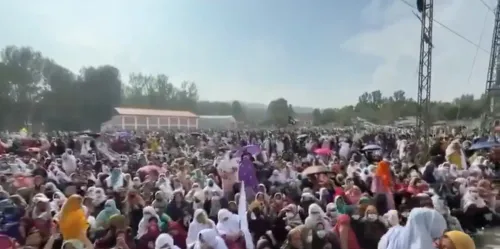
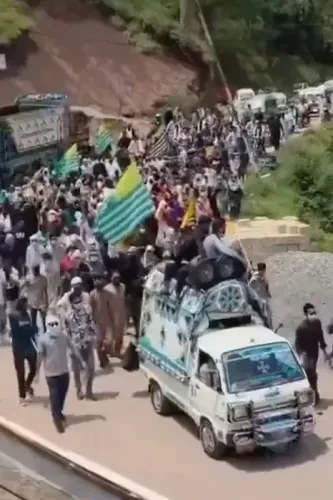
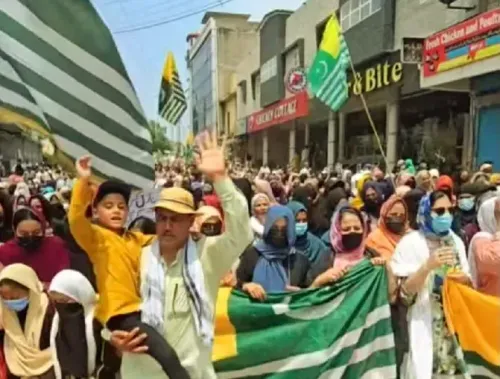
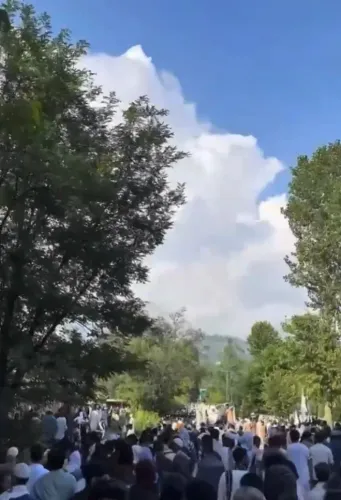
Pakistani security forces have killed several civilians in Pakistan-occupied Kashmir (PoK) amid escalating unrest, according to a Geopolitical Monitor report.
The Joint Awami Action Committee (JAAC) , formed in 2023 , began as an economic protest movement and has since evolved into a political challenge to Pakistan's security establishment.
JAAC leader Sardar Aman Khan warned that continued blockades could push PoK residents to consider aligning with India .
Thousands of Kashmiri diaspora members in the United Kingdom have taken to the streets, calling Pakistan an 'oppressor and violator' of human rights.
Simultaneous unrest in Balochistan , Khyber-Pakhtunkhwa , and Pakistan-occupied Gilgit-Baltistan is raising broader questions about Pakistan's internal stability.
Pakistani security forces have killed several civilians in Pakistan-occupied Kashmir (PoK), exposing a sharp contradiction in Islamabad's longstanding claim of championing the rights of Kashmiri Muslims. The violent crackdown, unfolding amid escalating unrest in the occupied territory, has drawn sharp condemnation from the Kashmiri diaspora worldwide, according to a report by the Canada-based Geopolitical Monitor.
The JAAC Movement and Its Demands
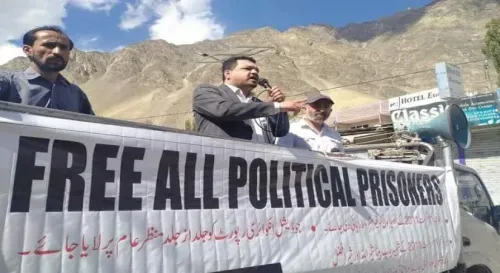
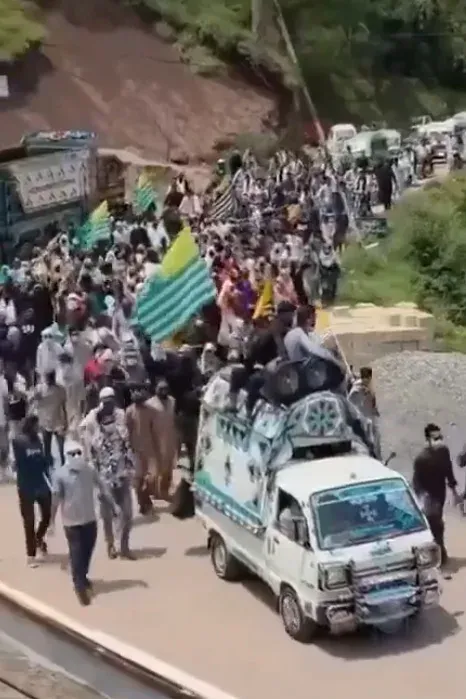
At the centre of the unrest is the Joint Awami Action Committee (JAAC), a grassroots movement that emerged in 2023 primarily over economic grievances — surging prices of flour and electricity. According to the Geopolitical Monitor report, the JAAC gradually expanded its mandate beyond economic demands, taking up political causes including advocacy for self-rule, thereby evolving into a direct challenge to Pakistan's security establishment.
'Much of the uproar as of late has to do with a group known as the Joint Awami Action Committee (JAAC), which came into being in 2023 as a localised grassroots movement that arose largely in response to economic issues, such as the rising price of flour and electricity,' the report detailed. 'The JAAC eventually began to speak out about political grievances in addition to economic ones, including advocating for the idea of self-rule, thus gradually transforming into a political movement that challenged the writ of Pakistan's security establishment.'
Blockades, Shortages and a Warning Toward India
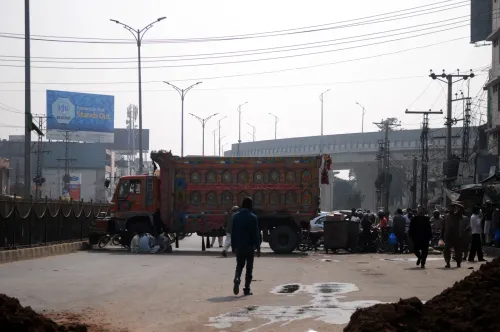
Civilians in PoK have reportedly been grappling with acute shortages of food and essential medicines, worsened by blockades enforced by local authorities operating under Pakistan's federal government and military. JAAC leader Sardar Aman Khan warned that if the blockades continue, residents of the region may consider the option of turning towards India, according to the report.
Khan also alleged that the Pakistani military had previously encouraged people in PoK to take up arms against the Indian Union Territory of Jammu and Kashmir. New Delhi has consistently accused Islamabad of supporting and facilitating terrorist networks across the Line of Control (LoC).
Diaspora Backlash and International Scrutiny
The crackdown has triggered a significant backlash from members of the Kashmiri diaspora abroad. In the United Kingdom, thousands have reportedly taken to the streets in protest, with demonstrators describing Pakistan as an 'oppressor and violator' of human rights in PoK, the report noted.
The Geopolitical Monitor report also highlighted a broader pattern of ethnic marginalisation, stating: 'The current protests also highlight the Pakistani security establishment's mistreatment of non-Punjabi ethnicities; Kashmiris find solidarity and common cause with the also intensely persecuted Baloch and Pashtun communities.'
Pakistan's Wider Stability Under Question
These developments in PoK come against the backdrop of already volatile security conditions in Balochistan, Khyber-Pakhtunkhwa, and Pakistan-occupied Gilgit-Baltistan (PoGB). The simultaneous unrest across multiple regions, critics argue, raises serious questions about Pakistan's broader internal stability and its ability to govern the territories it administers. The failure of local PoK authorities to address JAAC's core demands has only deepened public discontent, with protests continuing to gather momentum.
Point of View
Suggesting this is less a localised crisis and more a systemic failure of Pakistan's model of governing peripheral, non-Punjabi territories through coercion. The warning from a JAAC leader that residents may 'turn toward India' is not merely rhetorical — it signals a legitimacy collapse that no amount of diplomatic posturing at the United Nations can paper over.
NationPress
14 Sept 2026
Frequently Asked Questions
What is happening in Pakistan-occupied Kashmir (PoK)?
Pakistani security forces have killed several civilians in PoK amid escalating unrest, according to a Geopolitical Monitor report. The violence has been fuelled by the government's failure to address demands from the Joint Awami Action Committee (JAAC) over economic hardship and political grievances.
What is the Joint Awami Action Committee (JAAC)?
The JAAC is a grassroots movement formed in 2023 in PoK, initially to protest rising prices of flour and electricity. It has since expanded to advocate for self-rule and has emerged as a direct challenge to Pakistan's security establishment.
Why are Kashmiri diaspora members protesting in the UK?
Thousands of Kashmiri diaspora members in the United Kingdom have taken to the streets to condemn Pakistan's crackdown in PoK, describing Islamabad as an 'oppressor and violator' of human rights. The protests reflect growing international scrutiny of Pakistan's conduct in the occupied territory.
What did JAAC leader Sardar Aman Khan warn?
Sardar Aman Khan warned that if Pakistani authorities continue to enforce blockades causing food and medicine shortages, people in PoK may consider the option of turning toward India. He also alleged that the Pakistani military had previously armed people in PoK to foment unrest in Jammu and Kashmir.
How does the PoK crisis connect to unrest elsewhere in Pakistan?
The PoK unrest coincides with volatile security conditions in Balochistan, Khyber-Pakhtunkhwa, and Pakistan-occupied Gilgit-Baltistan. Analysts note that Kashmiris share common cause with persecuted Baloch and Pashtun communities, pointing to a broader pattern of the Pakistani establishment's mistreatment of non-Punjabi ethnicities.