PoK protests surge as thousands rally against Pakistani forces' crackdown
Synopsis
What began as anger over electricity bills in Pakistan-occupied Kashmir has become the region's most significant civilian uprising in decades. With thousands marching across Muzaffarabad, Rawalakot, and Poonch — and JAAC claiming over 50 killed in the crackdown — the protests are now a direct challenge to Islamabad's authority in PoK, not just a cost-of-living complaint.
Key Takeaways
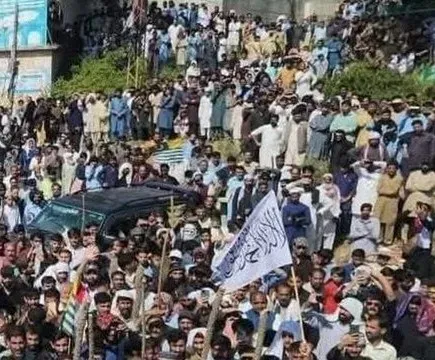
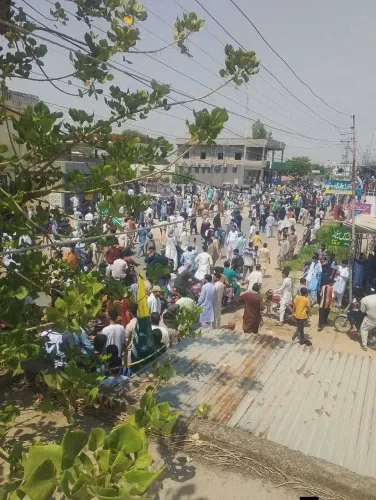
Thousands rallied across PoK on 13 August in cities including Muzaffarabad , Rawalakot , Bokhara , and Mandhol .
Protesters expressed solidarity with the Joint Awami Action Committee (JAAC) and demanded an end to alleged security force violence.
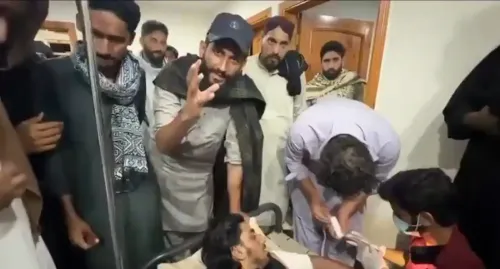
JAAC member Sardar Umar Nazir Kashmiri stated on 1 August that more than 50 people have been killed and hundreds injured — figures not independently verified.
The movement has evolved from protests over electricity tariffs and commodity prices into a broader call for political reform and accountability .
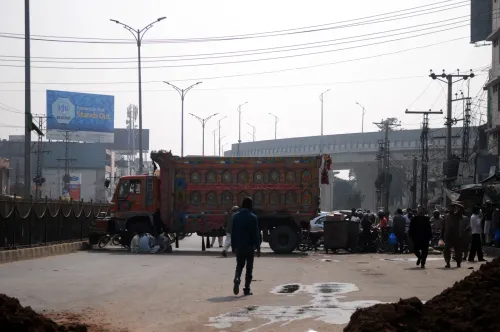
Pakistani authorities have reportedly imposed internet shutdowns and deployed security forces; allegations of police brutality are widespread.
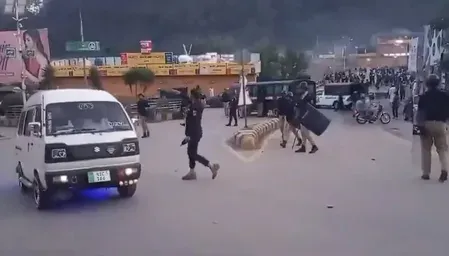
Videos shared by JAAC on X show women and children among the demonstrators, with footage from Kotli purportedly showing police firing on protesters.
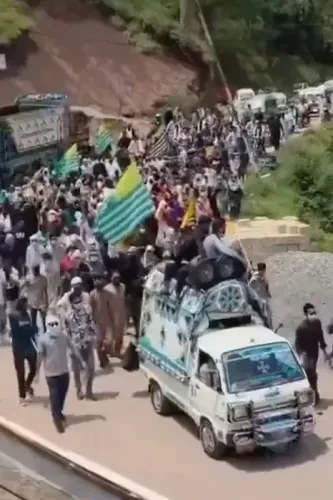
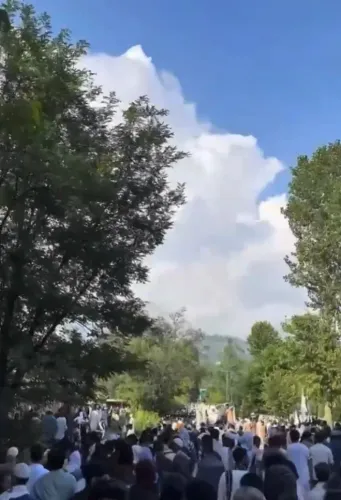
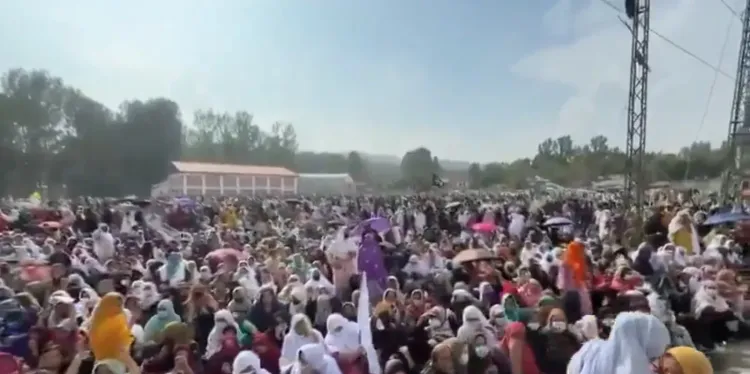
Thousands of residents across Pakistan-occupied Kashmir (PoK) poured onto the streets on Thursday, 13 August, in mass protest rallies backing the Joint Awami Action Committee (JAAC) and demanding an end to what demonstrators describe as months of brutal violence by Pakistani security forces. The demonstrations, spanning Muzaffarabad, Rawalakot, Bokhara, and Mandhol, mark a sharp escalation in what analysts are calling the most extensive civilian-state confrontation in PoK in decades.
Key Developments on the Ground
Large crowds, including significant numbers of women and children carrying flags, gathered in the Bokhara and Mandhol areas of PoK's Poonch district, chanting slogans including 'Inquilab Ayega'. In Rawalakot, protesters raised slogans asserting unity across PoK's major cities — Mirpur, Kotli, Bagh, and Muzaffarabad — with chants of 'awaaz do hum ek hai' (speak up, we are one).
The JAAC posted videos of the rallies on X (formerly Twitter), stating: 'Large number of women and children have joined the ongoing protest in Rawalakot, standing alongside their families and communities to raise their voices for fundamental rights, justice and the implementation of public demands. Their participation reflects how deeply this movement has reached across society.'
How the Movement Has Evolved
The protests, which initially erupted over soaring electricity tariffs and the rising cost of essential commodities, have since broadened into a wider political movement demanding accountability, representative governance, and structural reforms. This trajectory — from economic grievance to political confrontation — mirrors patterns seen in other civil unrest movements across South Asia.
Notably, the Pakistani state's response has included internet shutdowns, allegations of police brutality, and, according to protest leaders, lethal force against demonstrators. Several videos circulated on social media purportedly showing police opening fire on a peaceful rally in Kotli, with women protesters running for safety. NationPress has not independently verified the footage.
Casualty Figures and JAAC's Claims
On 1 August, JAAC member Sardar Umar Nazir Kashmiri stated that more than 50 people have been killed and hundreds injured in what he described as a brutal crackdown by Pakistani forces in PoK. These figures have not been independently confirmed, and Pakistani authorities have not publicly responded to the specific casualty claims.
Wider Context and Regional Significance
PoK has long been a flashpoint between India and Pakistan, with New Delhi maintaining that the territory is an integral part of India under illegal occupation. The current unrest adds a domestic dimension to that geopolitical fault line, as PoK residents themselves challenge Islamabad's administrative and security apparatus.
This comes amid heightened international scrutiny of Pakistan's internal governance challenges, including economic instability and civil-military tensions. With protests showing no sign of abating, the situation in PoK is likely to draw closer attention from regional observers and human rights organisations in the days ahead.
Point of View
The movement has crossed the threshold from protest to political challenge. Pakistan's response — internet blackouts, alleged live fire, and silence on casualty figures — follows a script that historically deepens rather than defuses such movements. What mainstream coverage underplays is the geopolitical inconvenience this creates: India can point to PoK's own residents rejecting Pakistani governance, even as diplomatic channels remain frozen. The JAAC's growing organisational reach, evidenced by coordinated multi-city rallies, suggests this is not a leaderless eruption but a structured civil society push — one that will be difficult to suppress without significant reputational cost for Islamabad internationally.
NationPress
28 Sept 2026
Frequently Asked Questions
What is the JAAC and why are people rallying behind it in PoK?
The Joint Awami Action Committee (JAAC) is a civil society coalition in Pakistan-occupied Kashmir that has led protests demanding lower electricity tariffs, affordable essential commodities, and broader political reforms. Residents across PoK have rallied behind it in response to what they describe as months of brutal crackdowns by Pakistani security forces, with JAAC becoming the primary organisational voice of the movement.
How many people have been killed in the PoK crackdown, according to protesters?
JAAC member Sardar Umar Nazir Kashmiri stated on 1 August that more than 50 people have been killed and hundreds injured during the Pakistani forces' crackdown in PoK. These figures have not been independently verified, and Pakistani authorities have not publicly confirmed or refuted the specific casualty numbers.
Which areas of PoK saw protests on 13 August?
Mass protest rallies were held in Muzaffarabad, Rawalakot, Bokhara, and Mandhol on 13 August, with large numbers of women and children among the demonstrators. The Mandhol and Bokhara rallies were held in PoK's Poonch district.
How did the PoK protests begin and how have they changed?
The protests initially erupted over rising electricity tariffs and the cost of essential commodities. Over several months, they have evolved into a broader political movement demanding accountability, representative governance, and structural reforms — making it the most extensive civilian-state confrontation in PoK in decades.
What has been Pakistan's response to the PoK unrest?
Pakistani authorities have reportedly imposed internet shutdowns across parts of PoK and deployed security forces to suppress the protests. Demonstrators and JAAC have alleged widespread police brutality, including videos purportedly showing security personnel opening fire on peaceful rallies in Kotli. Pakistani authorities have not publicly addressed the specific allegations in detail.