Dozens killed in PoK as crackdown on JAAC protesters sparks mass outcry
Synopsis
Pakistani authorities declared the JAAC a terror outfit, arrested its leaders, and sent in security forces — and the result was one of the bloodiest crackdowns in Pakistan-occupied Kashmir in recent memory. With an official death toll of 12 disputed by activists who say the real figure runs into several dozens, and funerals reportedly met with further violence, the unrest exposes a deep fault line between PoK's residents and the Pakistani state over resources, representation, and rights.
Key Takeaways
Deadly clashes in Rawalakot, PoK on 9 June have left dozens dead and hundreds injured, according to multiple reports.
Pakistani authorities officially acknowledge 12 deaths ; activists and journalists claim the toll is significantly higher, though unverified.
Pakistan declared the Joint Awami Action Committee (JAAC) a proscribed group under anti-terrorism laws ahead of its planned protest.
JAAC leaders, including senior lawyer Amjad Ali Khan , were arrested in a pre-emptive crackdown launched the preceding Saturday.
Protesters demanded abolition of 12 refugee-quota assembly seats and relief from high electricity bills linked to PoK's own dams.
Human rights lawyer Sabine Kayani alleged on X that peaceful protesters faced live fire, and accused the Pakistani army under General Asim Munir of turning 'grief into a massacre.'
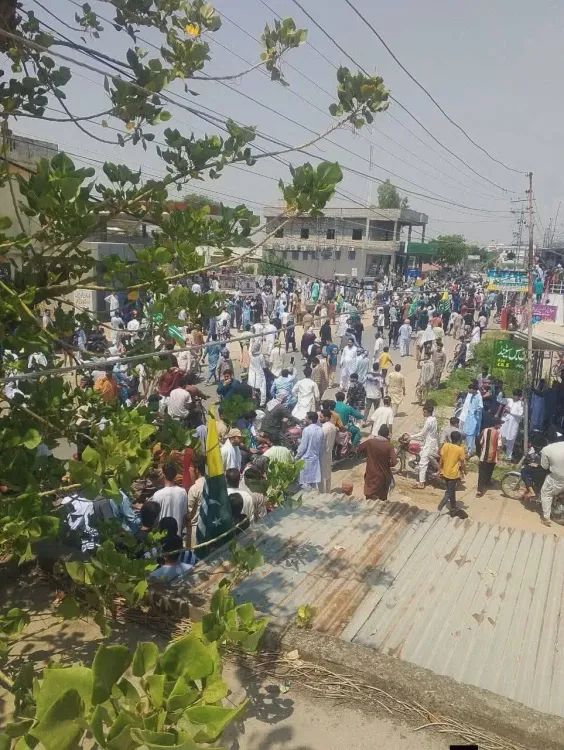
Deadly clashes between law enforcement personnel and protesters in Rawalakot, Pakistan-occupied Kashmir (PoK), have left dozens dead and hundreds injured, according to multiple reports emerging on 9 June. The violence erupted in the wake of a sweeping crackdown by Pakistani authorities on the Joint Awami Action Committee (JAAC), a civil society coalition demanding economic relief and political rights for residents of the occupied territory.
Official Count vs Ground Reality
Sardar Waheed Khan, Commissioner of Poonch district in PoK, was quoted by Pakistani daily The News International as saying that 12 people were killed and several security officials injured in the clashes. Khan alleged that JAAC members targeted security personnel and that the protesters possessed modern weapons, framing the unrest as a law-and-order disruption.
However, multiple activists and journalists posting on social media have put the actual death toll significantly higher — in several dozens — though those claims could not be independently verified at the time of reporting.
How the Crackdown Unfolded
Pakistani authorities declared the JAAC a proscribed organisation under anti-terrorism laws ahead of its planned protest on Tuesday, 9 June. A pre-emptive crackdown was launched the preceding Saturday, during which several JAAC leaders and activists were arrested, including senior lawyer Amjad Ali Khan, a core member of the committee. The legal community of PoK boycotted judicial proceedings on the bar council's call, in protest against the arrest.
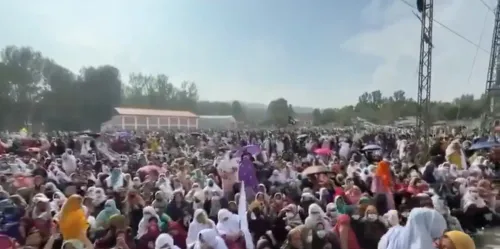
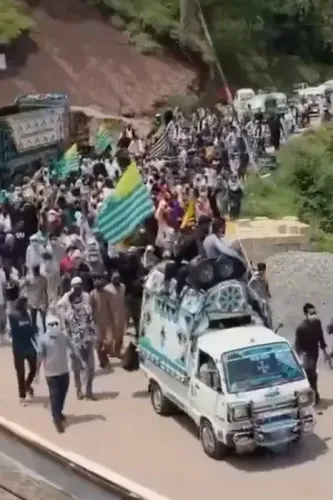
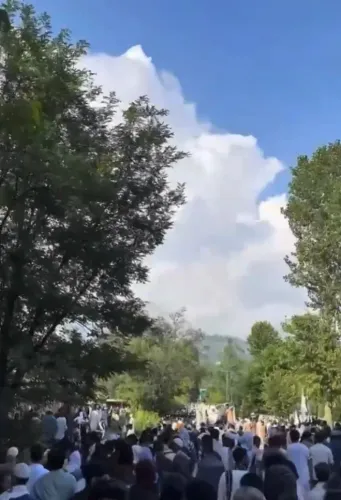
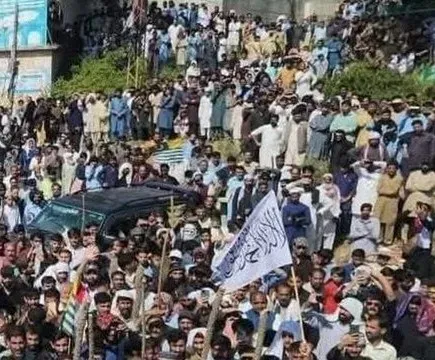
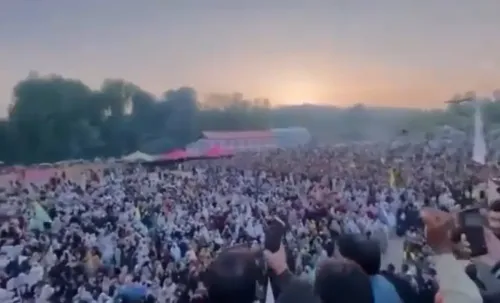
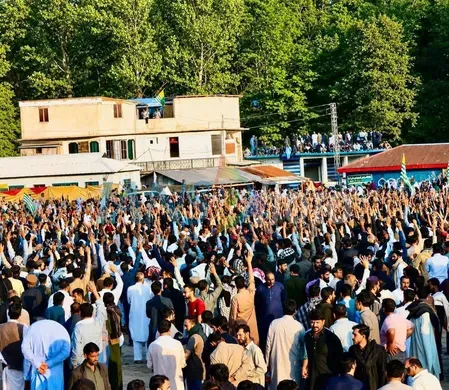
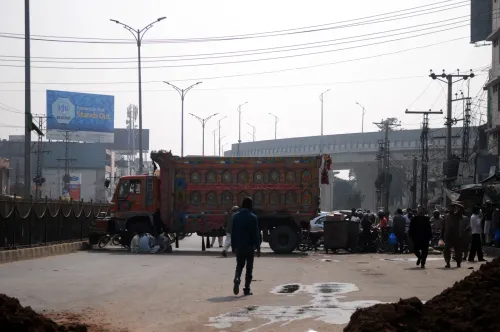
Hundreds of protesters converged on Quaid-i-Azam in Mirpur, while rallies led by JAAC core members Imtiaz Aslam and Khawaja Mehran marched toward Poonch district through Tatta Pani and Kotli respectively. Shops, markets, and courts remained shut across PoK, including in the capital Muzaffarabad, where streets were nearly empty with minimal vehicular movement, according to Dawn.
What the JAAC Is Demanding
The JAAC's central demand on Tuesday was the abolition of 12 legislative assembly seats reserved for Jammu and Kashmir refugees living in Pakistan. The committee contends that these seats are exploited by Pakistani political parties to influence government formation in PoK, effectively diluting the political agency of the territory's residents.
The JAAC has previously organised large-scale protests in PoK over soaring electricity bills — generated by the territory's own dams — vanishing subsidies, and what protesters describe as systematic economic marginalisation. This latest mobilisation represents an escalation of that long-running civil movement.
International Condemnation and Human Rights Concerns
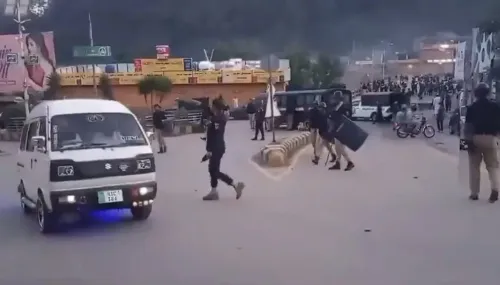
Videos showing police personnel using force against civilians went viral on social media and drew condemnation from human rights advocates globally. Sabine Kayani, a UK-based Pakistani-origin human rights lawyer, was among the most vocal critics. In a post on X, Kayani wrote that the people of PoK 'demanded bread, electricity, dignity, and those rights stolen from their rivers and their future,' adding that 'the response came in the form of live fire and clouds of tear gas that choked the streets.'
Kayani further alleged that 'funerals turned into scenes of further violence, with reports of elders, women, and young men listed as martyrs — shot down as they buried their dead,' and accused Pakistan's army, 'under the command of General Asim Munir,' of 'turning grief into a massacre.' Those allegations have not been independently confirmed.
What Comes Next
With the JAAC now proscribed under anti-terrorism law and its leadership in custody, the movement faces a critical juncture. Human rights organisations are reportedly calling for an independent inquiry into the casualties. The unrest in PoK is likely to draw further international scrutiny, particularly given the territory's contested status and its residents' documented grievances over resource exploitation and political exclusion.
Point of View
Foreclosing negotiation. The gap between the official toll of 12 and the 'several dozens' reported by on-ground witnesses is not a minor discrepancy; it is the central credibility question, and Islamabad has not addressed it. PoK's residents have been raising the same structural complaints — dam revenues diverted to Pakistan, refugee-quota seats skewing local politics — for years, and each crackdown has deepened rather than resolved the alienation. The international community's attention, largely absent from PoK, may now be harder to avoid.
NationPress
24 Oct 2026
Frequently Asked Questions
What triggered the deadly clashes in Pakistan-occupied Kashmir on 9 June?
The clashes were triggered by a crackdown on the Joint Awami Action Committee (JAAC), which Pakistani authorities declared a proscribed organisation under anti-terrorism laws ahead of its planned protest on 9 June. Security forces moved against protesters in Rawalakot and other towns, resulting in deaths and injuries.
What is the JAAC and what are its demands?
The JAAC, or Joint Awami Action Committee, is a civil society coalition in Pakistan-occupied Kashmir that has led protests over economic grievances and political rights. Its key demands include abolishing 12 legislative assembly seats reserved for Jammu and Kashmir refugees in Pakistan — which it says are used to manipulate PoK's government formation — and relief from high electricity bills generated by PoK's own dams.
How many people have been killed in the PoK clashes?
The official figure, cited by Poonch district Commissioner Sardar Waheed Khan and reported by The News International, stands at 12 deaths. However, multiple activists and journalists have claimed on social media that the actual toll is significantly higher and runs into several dozens, though those claims could not be independently verified.
What has the international response been to the crackdown in PoK?
Human rights advocates globally condemned the crackdown after videos of police action against civilians went viral. UK-based human rights lawyer Sabine Kayani posted on X alleging that peaceful protesters were met with live fire and tear gas, and that funerals were met with further violence. She accused Pakistan's army under General Asim Munir of turning 'grief into a massacre' — allegations that have not been independently confirmed.
What has been the impact on daily life in PoK?
Shops, markets, and courts remained shut across PoK on 9 June, including in the capital Muzaffarabad, where streets were nearly empty. The legal community boycotted judicial proceedings in protest against the arrest of JAAC core member and senior lawyer Amjad Ali Khan. Hundreds of protesters marched toward Poonch district from multiple directions.