56 killed or missing in PoK since June 9 as Pakistan crackdown intensifies
Synopsis
Pakistani security forces have killed or disappeared 56 protesters in Pakistan-occupied Kashmir since 9 June — and a food, medicine, and internet blockade is still in place. With 10,000-strong marches outside Pakistani missions in the UK and elections scheduled for 27 July, the crisis is rapidly moving from a local law-and-order problem to an international accountability moment for Islamabad.
Key Takeaways
56 protesters have been killed or reported missing in Pakistan-occupied Kashmir since 9 June , according to sources.
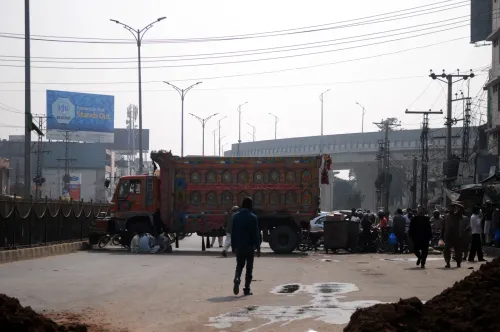
Pakistani authorities have imposed food and medicine blockades and shut down media and internet services in the region.
Protesters have set up six permanent sit-in sites in Rawalakot district , with growing participation by women, elderly citizens, and children.
The JAAC has called for a boycott of Legislative Assembly elections scheduled for 27 July , citing the unresolved refugee seats issue.
The London Long March on 5 July drew more than 10,000 participants , including Baloch nationalists and PTM representatives, to Pakistan's High Commission.
Experts warn the Pakistani establishment's ban on JAAC has foreclosed negotiations, with the security situation expected to worsen ahead of the July elections.
Pakistan-occupied Kashmir (PoK) has recorded 56 protesters killed or reported missing since 9 June, following unprovoked firing by Pakistani security forces on peaceful demonstrators, according to sources. The toll underscores a deepening humanitarian crisis in the region, now entering its second month with no signs of de-escalation.
Conditions on the Ground
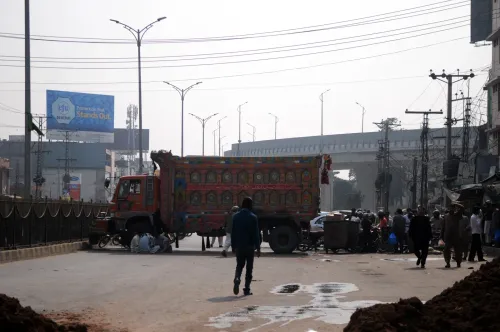
Residents in PoK continue to report acute shortages of food and medicines, compounded by arbitrary detentions, police excesses, and repeated raids on private homes. Pakistani authorities have imposed what sources describe as a 'hard-line approach' — including food and medicine blockades — while completely shutting down media and internet services across the occupied territory.
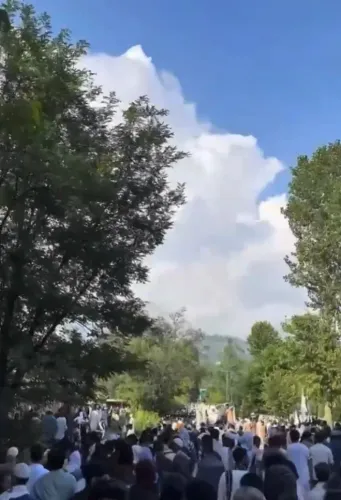
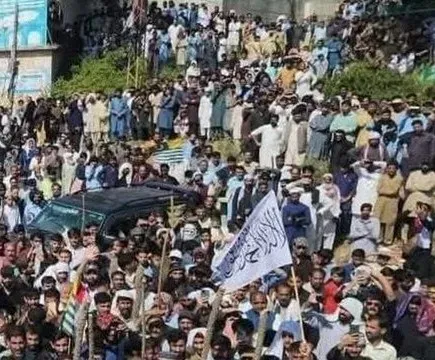
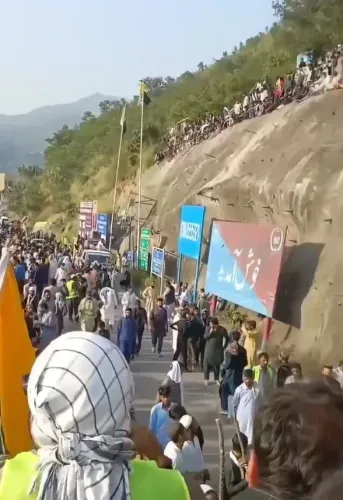
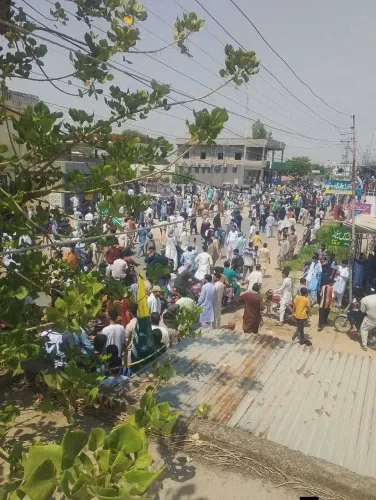
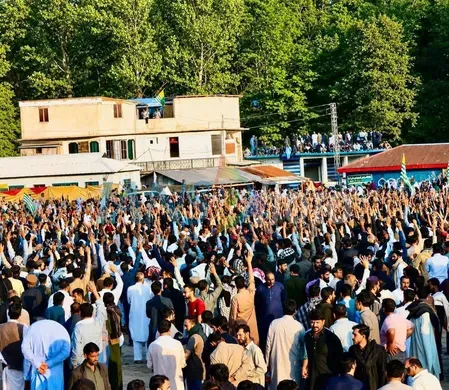
Nearly a month after the proscription of the Joint Awami Action Committee (JAAC), the crisis has worsened rather than abated. Protesters have established six permanent sit-in sites in the Rawalakot district, including Darek Eidgah, Singola, Motialmara, Paniola, Mujahidabad, and Rawalakot Bus Terminal. Notably, participation by women, elderly citizens, and children has increased — signalling the movement's resilience despite sustained official pressure.
JAAC's Escalating Demands
Protesters continue to press for resolution of all outstanding demands, including the contentious abolition of 12 refugee seats in the Legislative Assembly. JAAC core committee member Umar Nazir Kashmiri announced on 29 June that activists and people associated with the Public Rights movement would boycott the upcoming Legislative Assembly elections scheduled for 27 July, arguing that meaningful elections cannot be held under the prevailing circumstances.
Another JAAC leader, Sardar Aman, warned that if government restrictions and blockades persist, the movement could explore opening alternative supply and communication routes through the Indian Union Territory of Jammu and Kashmir. Aman has also alleged in recent public addresses that the Pakistani military has indoctrinated youth in PoK and encouraged them toward armed rebellion against India in Jammu and Kashmir.
International Pressure Mounts
The killings have drawn sharp reactions from the Kashmiri diaspora in the United Kingdom, Canada, Denmark, Australia, Germany, and the United States. Protests have been held outside Pakistani missions in London, Manchester, Bradford, and Birmingham.
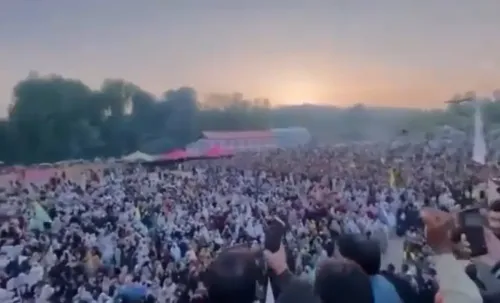
On 5 July, the London Long March drew more than 10,000 participants, proceeding from Parliament Square to Pakistan's High Commission in London. The march was joined not only by British Kashmiris — including women, children, and foreign nationals — but also by leaders of the Baloch nationalist movement, the Pashtun Tahafuz Movement (PTM) UK chapter, and the World Sindhi Congress.
What Experts Are Saying
Analysts note that the Pakistani security establishment's decision to ban the JAAC has effectively closed the door on negotiations, leaving street protest as the only remaining channel for political expression. With Legislative Assembly elections in PoK slated for 27 July, the authorities' refusal to address the refugee seats issue is widely seen as likely to further destabilise the security situation in the coming weeks.
Critics argue that the crackdown has undermined Pakistan's longstanding claim that the interests of Kashmiri Muslims are best served under Pakistani stewardship — a narrative the international visibility of these protests is now openly challenging.
Point of View
Medicine, and the internet, Pakistani authorities have handed the protest movement something money cannot buy: moral clarity. The 10,000-strong London march, joined by Baloch and Pashtun dissidents, signals that this is no longer just a Kashmiri story — it is becoming a broader indictment of how Islamabad manages its peripheral populations. With elections set for 27 July and the JAAC calling a boycott, any turnout figure Islamabad cites will face immediate credibility questions internationally.
NationPress
6 Oct 2026
Frequently Asked Questions
How many protesters have been killed or gone missing in PoK since June 9?
According to sources, 56 protesters have been killed or reported missing in Pakistan-occupied Kashmir following unprovoked firing by Pakistani security forces on peaceful demonstrators since 9 June . The toll has been rising as the crackdown continues into its second month.
What is the Joint Awami Action Committee (JAAC) and what does it want?
The JAAC is a civil society coalition leading the protest movement in PoK. Its demands include the abolition of 12 refugee seats in the Legislative Assembly and an end to food, medicine, and internet blockades imposed by Pakistani authorities. It was proscribed by Pakistani authorities approximately one month before this report.
Why is the JAAC boycotting the July 27 elections in PoK?
JAAC core committee member Umar Nazir Kashmiri announced on 29 June that the movement would boycott the 27 July Legislative Assembly elections , arguing that meaningful elections cannot take place under an ongoing security crackdown, with media blacked out and fundamental demands unaddressed.
What happened at the London Long March on July 5?
More than 10,000 people participated in the London Long March on 5 July , marching from Parliament Square to Pakistan's High Commission . The march included British Kashmiris, Baloch nationalists, the Pashtun Tahafuz Movement (PTM) UK chapter, and the World Sindhi Congress , drawing significant international attention.
What are the humanitarian conditions in PoK right now?
Residents in PoK are reportedly facing acute shortages of food and medicines, arbitrary detentions, police raids on private homes, and a complete blackout of media and internet services. Pakistani authorities have imposed what sources describe as a 'hard-line approach', including blockades of essential supplies.