PoK: Six civilians killed as Pakistan forces open fire in Rawalakot
Synopsis
Pakistani security forces have shot dead at least six civilians in Rawalakot, PoJK, as weeks of anti-government protests turn deadly. With a JAAC-led long march to Muzaffarabad called for 15 July and India publicly demanding international accountability, the crisis in Pakistan-occupied Kashmir is rapidly escalating beyond Islamabad's ability to contain it quietly.
Key Takeaways
Six civilians were killed after Pakistani security forces opened fire in Rawalakot , PoJK , on 14 July .
Named victims include Zahid Mughal , Zafar Mughal , Arsalan Akbar , and Wajid Hayat .
The Joint Awami Action Committee (JAAC) has called a long march to Muzaffarabad on 15 July .
MEA spokesperson Randhir Jaiswal condemned Pakistan's 'excessive police brutality' and called for international accountability.
Protesters in PoJK have been demonstrating for weeks over flour prices, power tariffs, and denial of basic rights.
Pakistani authorities have reportedly imposed internet blackouts and blocked essential supplies including food and medicines.
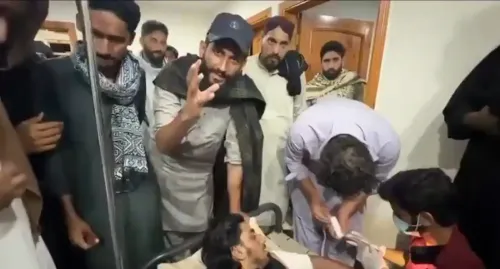
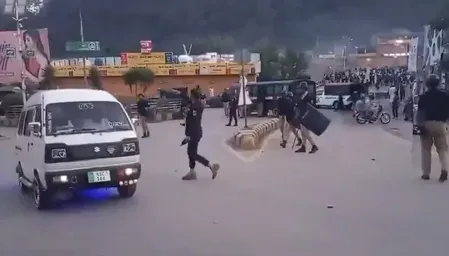
At least six civilians have been killed after Pakistani security forces opened fire during violent clashes in Rawalakot, Pakistan-occupied Jammu and Kashmir (PoJK), according to multiple reports on Tuesday, 14 July. The deaths mark a sharp escalation in a weeks-long wave of anti-government protests sweeping the region against Islamabad's administration of the occupied territory.
How the Clashes Unfolded
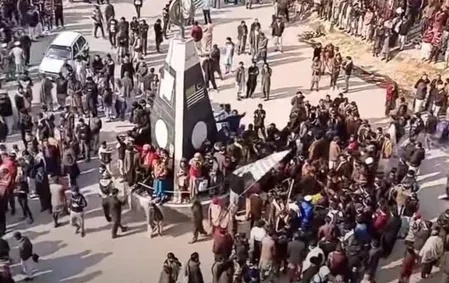
The violence erupted near Rawalakot's New Bus Terminal after Pakistani security personnel launched a crackdown on demonstrators. Among those killed, according to reports, are Zahid Mughal, Zafar Mughal, Arsalan Akbar, and Wajid Hayat. The identities of the remaining victims have not been confirmed in available reports.
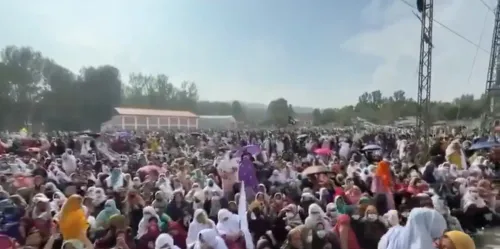
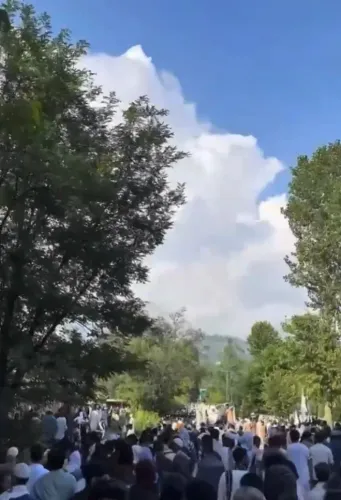
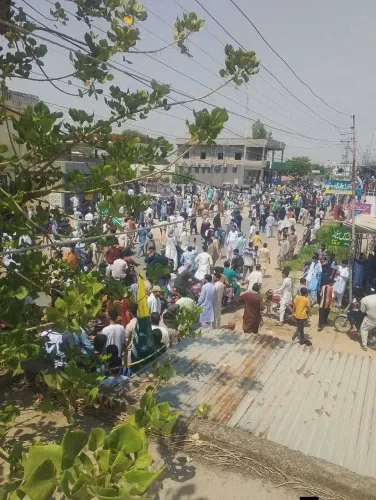
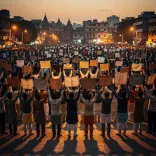
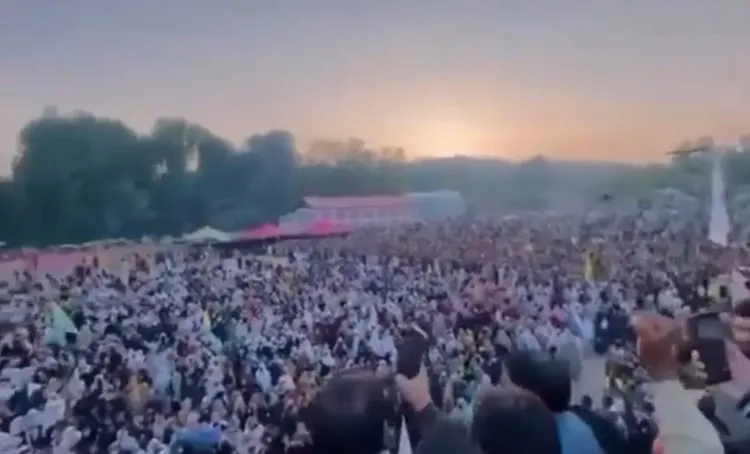
Videos circulating on social media showed hundreds of residents — including women — marching against what protesters described as repression, high taxes, steep power tariffs, and arbitrary arrests by authorities.
Weeks of Unrest: What the Protests Are About
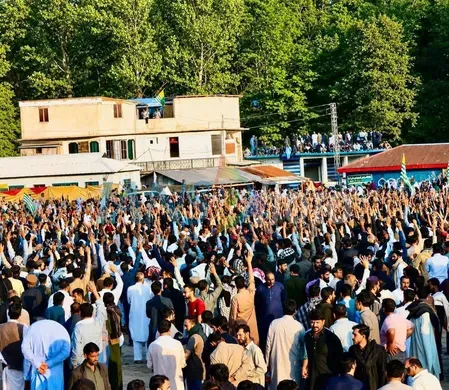
Thousands of locals have been holding large-scale demonstrations in PoJK for several weeks, raising slogans against Islamabad and demanding basic rights including affordable flour, electricity, and water. What began as civic grievances has reportedly evolved into a broader challenge against Pakistan's decades-long control over the region.
Protest leader Javed Iqbal, addressing a gathering in Rawalakot, said: 'For 78 years, they sold us the Srinagar liberation churan (propaganda). That fake churan is now expired; Kashmiris are no longer buying it. When we ask for flour, we get bullets; when we ask for electricity, we get bullets; when we ask for water, we get bullets.'
The gathering echoed with the slogan: 'Every single child will fight to the death, but Kashmir (Pakistan-occupied Kashmir) will not become a province.'
JAAC Calls Long March to Muzaffarabad
The Joint Awami Action Committee (JAAC) has announced a long march towards Muzaffarabad on 15 July, calling on people across PoJK to join in large numbers. The committee has been at the forefront of organising the protests and has accused Pakistani authorities of blocking essential supplies — including food and medicines — and enforcing internet blackouts to suppress the movement.
India Slams Pakistan, Calls for International Accountability
India on Tuesday condemned Pakistan over the ongoing unrest, stating that the protests were a direct consequence of Islamabad's systematic exploitation of the region. Ministry of External Affairs (MEA) spokesperson Randhir Jaiswal, speaking at a weekly media briefing in New Delhi, said Pakistani authorities had responded to legitimate grievances with 'excessive police brutality, including against helpless women and children.'
Jaiswal stated: 'The ongoing protests in Pakistan-occupied Jammu and Kashmir are a direct consequence of Pakistan's decades-long systemic exploitation, denial of fundamental rights and administrative operation in areas under its illegal and forcible occupation.'
He added that India expects 'the international community will hold Pakistan fully accountable to these egregious abuses and misdeeds.' This is among the sharpest official statements from New Delhi on PoJK unrest in recent months, reflecting the gravity with which the Centre is watching developments across the Line of Control.
What Comes Next
With the JAAC long march scheduled for 15 July and civilian casualties already reported, the situation in Rawalakot and broader PoJK remains volatile. International human rights organisations have yet to issue formal statements on the latest deaths. Whether global pressure will compel Islamabad to change course — or whether the crackdown intensifies — will define the trajectory of one of South Asia's most consequential flashpoints in years.
Point of View
But the real pressure test is whether Western capitals — long reluctant to antagonise Islamabad on Kashmir — will move beyond diplomatic silence. The JAAC march on 15 July will be the next inflection point: if the crackdown continues, the civilian death toll and the global optics for Pakistan will only worsen.
NationPress
13 Oct 2026
Frequently Asked Questions
What happened in Rawalakot, PoJK on 14 July?
Pakistani security forces opened fire on civilians during clashes near Rawalakot's New Bus Terminal, killing at least six people. The violence occurred amid weeks of large-scale anti-government protests in Pakistan-occupied Jammu and Kashmir over basic rights and Islamabad's administration of the region.
Who were the civilians killed in Rawalakot?
According to available reports, four of the deceased have been identified as Zahid Mughal, Zafar Mughal, Arsalan Akbar, and Wajid Hayat. The identities of the remaining victims have not been confirmed in available reports.
What is the JAAC and what has it announced?
The Joint Awami Action Committee (JAAC) is the primary organising body behind the ongoing protests in PoJK. It has called for a long march towards Muzaffarabad on 15 July, urging residents across the region to participate in large numbers.
What did India say about the PoJK crackdown?
MEA spokesperson Randhir Jaiswal, at a briefing in New Delhi on 14 July, said the protests were a direct result of Pakistan's 'decades-long systemic exploitation' of PoJK. He condemned the use of lethal force against unarmed civilians and called on the international community to hold Pakistan accountable.
Why have people in PoJK been protesting?
Residents have been demonstrating for several weeks over demands for affordable flour, reliable electricity, clean water, and an end to arbitrary arrests. The protests have broadened into a wider challenge against Pakistan's longstanding control over the region, with leaders rejecting what they describe as decades of broken promises from Islamabad.