CM Manik Saha Launches Phase 2 of Niramay Arogya Abhiyan in Tripura

Synopsis
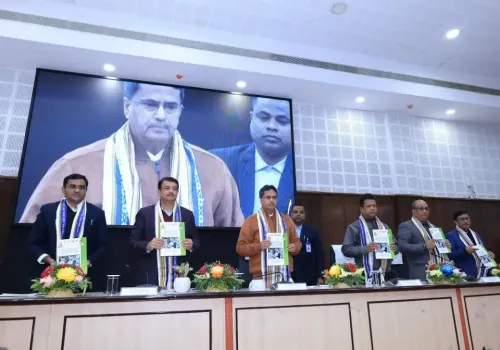
Tripura Chief Minister Dr. Manik Saha launched Phase 2 of the Mukhyamantri Niramay Arogya Abhiyan in Udaipur on 14 July 2026, rolling out a Niramay Lab Network and Stop Diarrhoea Campaign for residents above 30, while laying the foundation stone for a new Tripurasundari Sub-Divisional Hospital.
Key Takeaways
Mukhyamantri Niramay Arogya Abhiyan Phase 2 was launched on 14 July 2026 from Udaipur, Gomati district , Tripura.
The second phase has two components: the Niramay Lab Network (diagnostic lab expansion) and the Stop Diarrhoea Campaign .
The scheme targets all Tripura residents aged 30 and above with preventive and diagnostic health services.
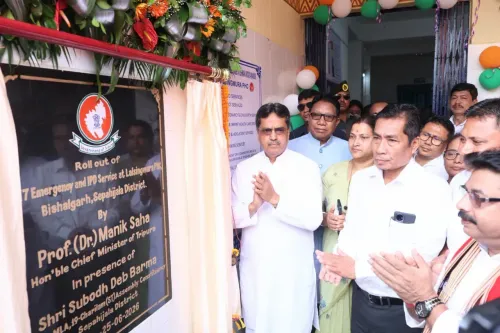
Foundation stone for the new Tripurasundari Sub-Divisional Hospital premises was laid at the same event in Udaipur.
Manik Saha stated the government is committed to modernising all government hospitals across Tripura.
The rollout of the lab network across remaining districts will be a key indicator of the programme's statewide reach.
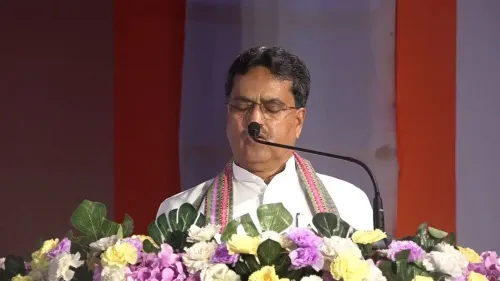
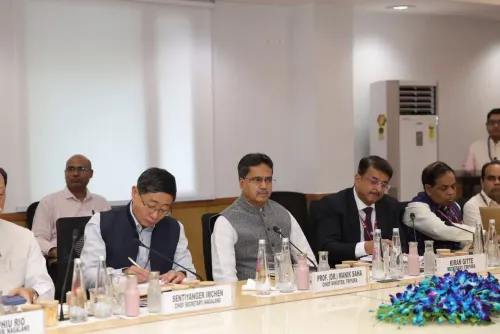
Tripura Chief Minister Dr. Manik Saha on Tuesday, 14 July 2026, launched the second phase of the Mukhyamantri Niramay Arogya Abhiyan from Udaipur in Gomati district, marking a significant expansion of the state government's flagship preventive health programme targeting all residents above the age of 30. The second phase comprises two components — the Niramay Lab Network and the Stop Diarrhoea Campaign — and was accompanied by the laying of the foundation stone for a new Tripurasundari Sub-Divisional Hospital premises at the same venue.
Context
The Mukhyamantri Niramay Arogya Abhiyan is designed to provide preventive and diagnostic health services to Tripura's adult population, with eligibility beginning at age 30. Posting on X, Dr. Manik Saha described the scheme as 'one of our key initiatives aimed at ensuring a healthy and secure life for all citizens above the age of 30 residing across the state,' framing its expansion as central to the government's vision of 'building a healthy Tripura.'
The choice of Udaipur, the principal town of Gomati district, as the launch site signals an intent to extend health infrastructure beyond the state capital Agartala, reaching populations in Tripura's southern districts.
Policy Backdrop
The second phase introduces the Niramay Lab Network, a diagnostic laboratory expansion intended to strengthen pathology and screening capacity at the sub-district level. Alongside it, the Stop Diarrhoea Campaign addresses one of the most persistent public health challenges in Northeast India, where seasonal diarrhoeal outbreaks have historically strained rural health facilities.
Indian states, particularly in the Northeast, have increasingly layered additional diagnostic and disease-specific campaigns onto existing National Health Mission infrastructure. The Tripura government's approach — combining adult screening, lab expansion, and infectious-disease control under a single state-branded abhiyan — follows this broader regional pattern of consolidating health delivery under named chief-ministerial programmes.
Stakeholders and Impact
The primary beneficiaries are residents of Tripura aged 30 and above, a cohort that bears the highest burden of non-communicable diseases such as diabetes, hypertension, and cardiovascular conditions. The Gomati district population stands to gain most immediately from both the lab network rollout and the diarrhoea campaign launched from Udaipur.
The foundation stone for the new Tripurasundari Sub-Divisional Hospital premises signals a longer-term commitment to upgrading government hospital infrastructure. Users of government hospitals across Tripura are the intended beneficiaries of what Dr. Saha described as the government's commitment to 'modernising all government hospitals across the state.'
What's Next
Attention will now turn to the rollout timeline for the Niramay Lab Network across Tripura's remaining districts, and to construction and tendering milestones for the new Tripurasundari Sub-Divisional Hospital building. The pace of district-level expansion will determine whether the second phase achieves statewide coverage of the adult population it targets.
If the lab network scales as envisioned, it could meaningfully reduce out-of-pocket diagnostic costs for Tripura's residents and ease pressure on overburdened referral hospitals — a test of whether state-branded health abhiyans can translate ceremonial launches into durable service delivery.
Point of View
Creating clear political ownership over welfare outcomes ahead of electoral cycles. Pairing a diagnostic lab network with an infectious-disease campaign addresses both non-communicable and communicable disease burdens simultaneously — a pragmatic bundling that maximises event optics while targeting distinct health challenges. The simultaneous foundation stone laying for the Tripurasundari hospital signals that the government is also investing in bricks-and-mortar credibility, not just campaign-mode health drives. Whether these initiatives translate into measurable improvements in health outcomes will depend on execution speed and budget follow-through in the districts beyond Gomati.
NationPress
14 Jul 2026
Frequently Asked Questions
What is Mukhyamantri Niramay Arogya Abhiyan in Tripura?
Mukhyamantri Niramay Arogya Abhiyan is a Tripura state government health scheme that provides preventive and diagnostic health services to all residents aged 30 and above, with the goal of building a healthier Tripura.
What was launched in Phase 2 of Niramay Arogya Abhiyan?
Phase 2 includes two components: the Niramay Lab Network, which expands diagnostic laboratory services, and the Stop Diarrhoea Campaign, a public health drive targeting diarrhoeal disease across the state.
Where was the Phase 2 launch of Niramay Arogya Abhiyan held?
The launch was held in Udaipur, the main town of Gomati district in Tripura, on 14 July 2026.
What is the Tripurasundari Sub-Divisional Hospital foundation stone about?
Chief Minister Dr. Manik Saha laid the foundation stone for a new building for the Tripurasundari Sub-Divisional Hospital in Udaipur at the same event, as part of the government's commitment to modernising government hospitals statewide.
Who is eligible for Mukhyamantri Niramay Arogya Abhiyan benefits?
All residents of Tripura above the age of 30 are eligible for health services under the Mukhyamantri Niramay Arogya Abhiyan.