Shivraj Singh Chouhan visits ICAR-CRIJAF in Barrackpore
Synopsis
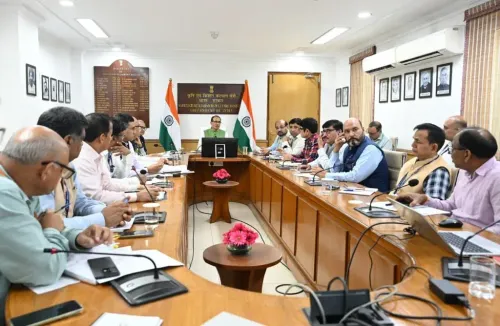
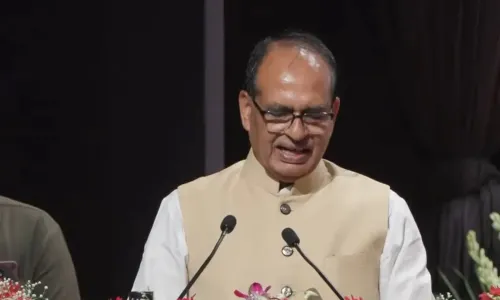
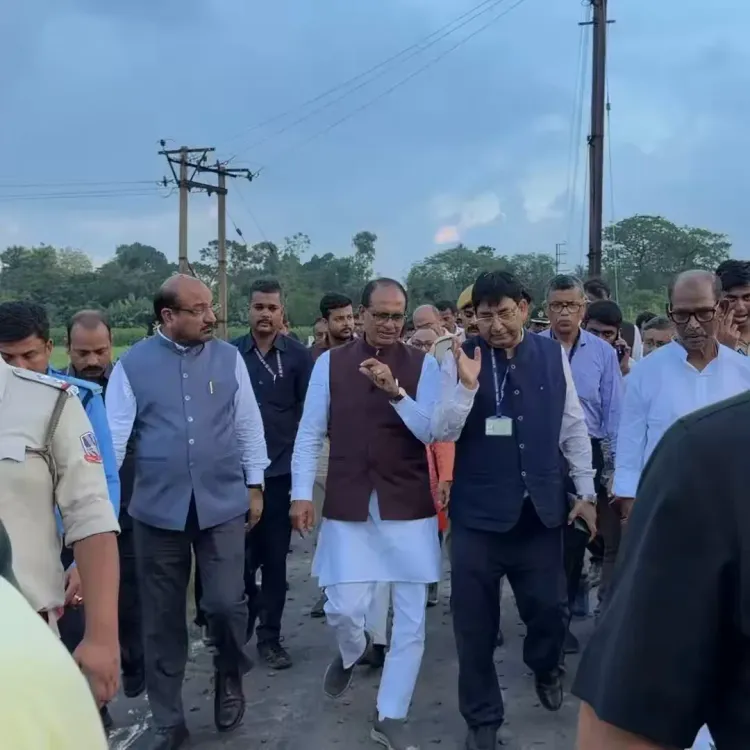
Union Agriculture Minister Shivraj Singh Chouhan visited ICAR-CRIJAF in Barrackpore on 14 July 2026, framing jute research as central to farmer prosperity. The visit signals continued government focus on linking public-sector agricultural research to on-farm income gains for jute growers in eastern India.
Key Takeaways
Union Agriculture Minister Shivraj Singh Chouhan visited ICAR-CRIJAF, Barrackpore on 14 July 2026 .
The minister's stated theme was 'prosperity through jute, progress for farmers' .
ICAR-CRIJAF was established in 1953 and is India's apex institute for jute and allied fibre crop research.
The Jute Packaging Materials Act was extended in 2020 to sustain domestic demand and support jute farmer incomes.
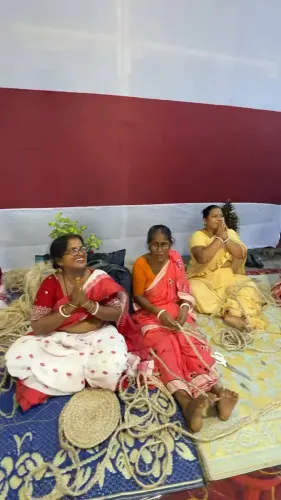
An estimated 40 lakh farm families , mostly in West Bengal , depend on jute cultivation for their livelihoods.
Upcoming MSP revisions and CRIJAF budget allocations will be key indicators of follow-through on the minister's visit.
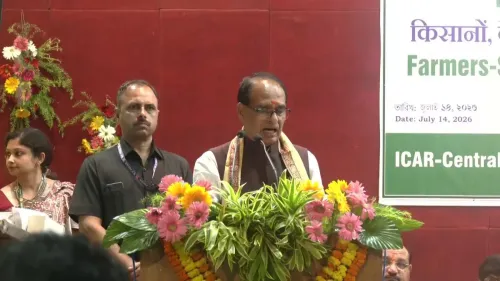
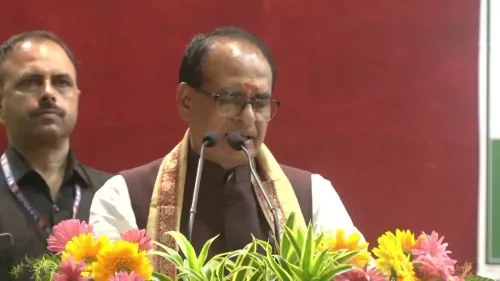
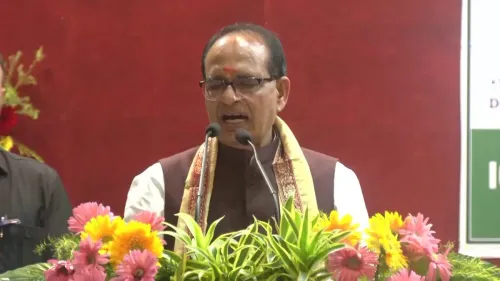
Union Agriculture Minister Shivraj Singh Chouhan visited ICAR-Central Research Institute for Jute and Allied Fibres (CRIJAF) in Barrackpore, Kolkata on Tuesday, 14 July 2026, signalling renewed administrative focus on jute research and farmer welfare in eastern India. The minister shared a video from the institute on X, captioning it 'जूट से समृद्धि, किसानों की उन्नति' — 'Prosperity through jute, progress for farmers.'
Context
ICAR-CRIJAF, headquartered in Barrackpore in North 24 Parganas district, West Bengal, is India's apex public-sector institute dedicated to research on jute and allied fibre crops. Established in 1953 by the Indian Central Jute Committee, it operates under the Indian Council of Agricultural Research (ICAR) and works on improving crop productivity, fibre quality, and value addition for jute growers. Chouhan's visit places the spotlight on an institution that directly serves millions of smallholder farmers concentrated in West Bengal, Bihar, Assam and Odisha.
Policy Backdrop
Jute has been a subject of sustained central policy attention for decades. The National Jute Policy 2005 laid out a roadmap for technology upgradation, market development, and farmer income support. More recently, the Jute Packaging Materials (Compulsory Use in Packing Commodities) Act was extended in 2020 to mandate the use of jute packaging for food grains and sugar, shoring up domestic demand and providing a price floor for jute growers. These measures reflect a long-standing recognition that jute farmers — among the more economically vulnerable cultivators in eastern India — require both research-backed productivity gains and assured market access to sustain livelihoods.
Successive agriculture ministers have used high-profile visits to ICAR institutes to signal policy continuity and push for faster translation of laboratory research into field-level adoption. Chouhan's visit to CRIJAF fits squarely within this pattern, underscoring the current government's emphasis on linking institutional research outputs to on-farm impact and rural income growth.
Stakeholders and Impact
India is the world's largest producer of raw jute, and the crop supports the livelihoods of an estimated 40 lakh farm families, predominantly in West Bengal. Allied fibre crops — including mesta, ramie, and flax — studied at CRIJAF extend the institute's relevance to a broader base of smallholder cultivators. Research breakthroughs at the institute in areas such as high-yielding varieties, retting technology, and diversified jute products have direct consequences for farmer incomes and the competitiveness of India's jute industry. A ministerial visit of this nature typically accelerates administrative clearances, budget allocations, and inter-departmental coordination that can translate into tangible on-ground improvements.
What's Next
Observers will watch for announcements tied to the visit, including any revision to the Minimum Support Price (MSP) for jute ahead of the next season, fresh budgetary allocations for CRIJAF, or new schemes targeting allied fibre growers. Outcomes from the next Jute Advisory Board meeting and any Union Budget provisions for the sector will be key indicators of whether this ministerial engagement translates into concrete policy action for jute farmers.
Point of View
The minister reinforces the government's broader narrative of science-led agricultural transformation. The visit also keeps pressure on ICAR's research pipeline to deliver market-ready solutions, a recurring demand from the agriculture ministry across administrations. Whether the optics translate into measurable policy outcomes — such as a higher jute MSP or fresh institute funding — will determine the visit's lasting significance.
NationPress
13 Oct 2026
Frequently Asked Questions
Why did Shivraj Singh Chouhan visit ICAR-CRIJAF in Barrackpore?
Chouhan visited ICAR-CRIJAF on 14 July 2026 to focus on jute research and its role in improving farmer welfare, emphasising the theme 'prosperity through jute, progress for farmers.'
What is ICAR-CRIJAF and what does it do?
ICAR-CRIJAF, or the Central Research Institute for Jute and Allied Fibres, is a public-sector research institute established in 1953 in Barrackpore, West Bengal. It works on improving jute and allied fibre crop productivity, fibre quality, and value addition under the Indian Council of Agricultural Research.
How many farmers depend on jute cultivation in India?
An estimated 40 lakh farm families in India, predominantly in West Bengal, depend on jute cultivation for their livelihoods, making it one of the most significant cash crops in eastern India.
What is the government's policy on jute packaging?
The Jute Packaging Materials (Compulsory Use in Packing Commodities) Act mandates the use of jute bags for packing food grains and sugar. The act was extended in 2020 to sustain domestic demand and provide income support to jute farmers.
What policy changes can be expected after Chouhan's CRIJAF visit?
Observers are watching for a possible revision in the Minimum Support Price for jute, fresh budgetary allocations for CRIJAF, and outcomes from the next Jute Advisory Board meeting as indicators of follow-through.