Rawalakot 'massacre': UKPNP condemns PoK crackdown, calls for UN intervention
Synopsis
Pakistani security forces firing on unarmed protesters in Rawalakot has triggered a region-wide crisis in PoK — with two J&KJAAC members dead, internet suspended since 5 June, and a Long March still scheduled. The UKPNP is now calling for UN intervention as solidarity protests emerge in the UK, US, and Australia.
Key Takeaways
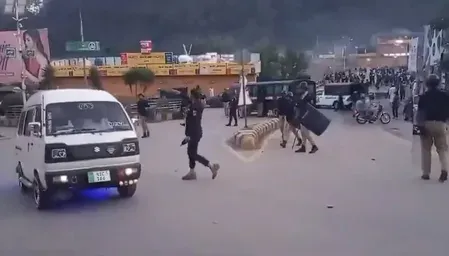
UKPNP condemned Pakistani security forces for firing on unarmed protesters in Rawalakot, PoK on the night of Sunday, 7 June .
Shahzaib Habib and Amjid Kashmiri , both J&KJAAC members, reportedly died during confrontations linked to the protests.
Authorities designated the J&KJAAC as a banned organisation ahead of its planned Long March on 9 June .
Internet services across PoK have reportedly been suspended since 5 June , disrupting regional communication.
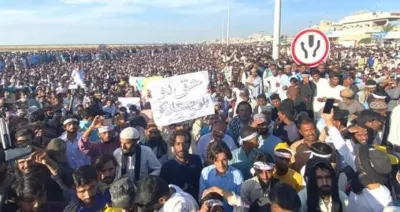
Protests have spread to Muzaffarabad , Mirpur , Tata Pani , and Plandari ; diaspora solidarity rallies held in the UK .
The UKPNP has formally appealed to the United Nations and the international community to intervene.
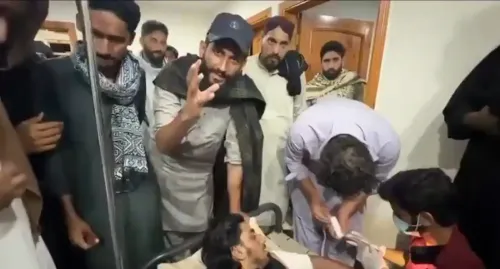
The United Kashmir People's National Party (UKPNP) on Monday, 8 June strongly condemned the firing by Pakistani security forces on unarmed protesters in the Rawalakot region of Pakistan-occupied Kashmir (PoK), describing the incident as a 'massacre' that left several people dead and injured. The UKPNP has appealed to the United Nations and the international community to intervene immediately to protect the lives and rights of Kashmiri civilians.
What Happened in Rawalakot
The incident unfolded on Sunday night when security forces reportedly opened fire on peaceful demonstrators. The UKPNP said in a statement: 'Peaceful protest is a democratic right. Pakistan must immediately halt this cycle of tyranny and brutality against unarmed Kashmiris.' The organisation also called on international media and human rights watchdogs to report directly from Rawalakot and other affected areas to bring the ground reality before the global community.
Background: J&KJAAC Crackdown and the Long March
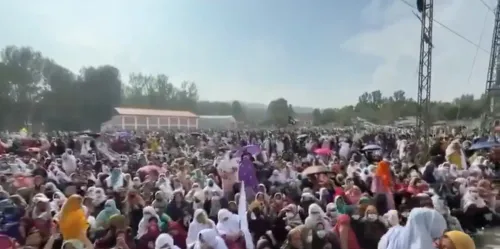
Rawalakot has emerged as the epicentre of a widening protest movement across PoK after authorities launched a crackdown on activists linked to the Jammu & Kashmir Joint Awami Action Committee (J&KJAAC). Tensions escalated sharply after authorities designated the J&KJAAC as a banned organisation and rolled out a series of security measures ahead of its planned Long March on 9 June, according to reports citing local activists. Protesters also alleged that internet services across PoK had been suspended since the night of 5 June, severely disrupting communication in the region.
Deaths That Fuelled Public Outrage
According to reports, Shahzaib Habib and Amjid Kashmiri, both J&KJAAC members, lost their lives during confrontations tied to the ongoing demonstrations. Their deaths have become a focal point of the protest movement, with demonstrators accusing security forces of using excessive force against peaceful protesters. The killings reportedly intensified public anger across the region.
Protests Spread Across PoK
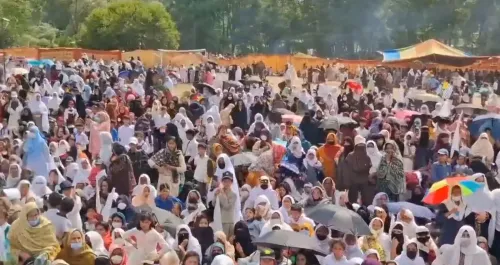
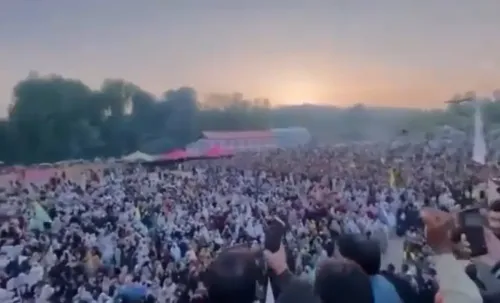
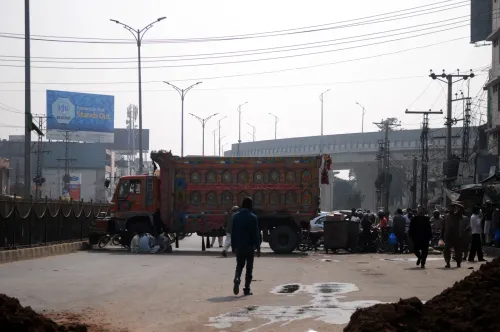
The agitation has expanded well beyond Rawalakot, with demonstrations and shutter-down strikes reported in Muzaffarabad, Mirpur, Tata Pani, and Plandari. In Plandari, local activists reportedly blocked key access routes as part of the widening unrest. The worsening situation has also drawn solidarity demonstrations from the Kashmiri diaspora in the United Kingdom, and concerns over human rights conditions in PoK have been raised at international forums in the United States and Australia.
What Comes Next
With the Long March scheduled and public anger continuing to mount, the situation in PoK is expected to remain a major flashpoint in the coming days. The European Times, which has been tracking the developments, noted that the region appears 'poised to remain a major flashpoint, drawing increasing regional and international attention.' The UKPNP's appeal to the UN adds a formal diplomatic dimension to what has so far been a civil unrest crisis.
Point of View
In this case the J&KJAAC's Long March. Banning the J&KJAAC and cutting internet access before a planned march are classic pre-emptive suppression tactics, and the deaths of two named activists have now given the movement martyrs, which historically intensifies rather than dampens protest. What is different this time is the speed at which the diaspora and international forums have picked up the story, suggesting that Pakistan's information blackout in PoK is increasingly porous. The UN appeal from UKPNP is unlikely to produce immediate action, but it raises the diplomatic cost of continued silence from Islamabad.
NationPress
24 Oct 2026
Frequently Asked Questions
What happened in Rawalakot, PoK on 7 June 2025?
Pakistani security forces allegedly opened fire on unarmed protesters in Rawalakot, Pakistan-occupied Kashmir, on the night of 7 June, leaving several people dead and injured. The UKPNP described the incident as a 'massacre' and has called for an immediate halt to what it termed tyranny against Kashmiri civilians.
Who are the J&KJAAC and why were they banned?
The Jammu & Kashmir Joint Awami Action Committee (J&KJAAC) is a civil society and protest movement active in PoK. Authorities designated it a banned organisation ahead of its planned Long March on 9 June, a move that protesters say is an attempt to suppress legitimate political dissent.
Who died during the Rawalakot protests?
Shahzaib Habib and Amjid Kashmiri, both members of the J&KJAAC, reportedly lost their lives during confrontations linked to the ongoing demonstrations. Their deaths have become a focal point of the protest movement, with demonstrators accusing security forces of using excessive force.
Why has internet been suspended in PoK?
Internet services across PoK were reportedly suspended since the night of 5 June, according to protesting leaders and local activists. The shutdown has severely disrupted communication across the region and has been widely criticised as an attempt to prevent information from reaching the outside world.
What is the international response to the PoK crackdown?
The UKPNP has formally appealed to the United Nations and the international community to intervene and protect Kashmiri civilians. Solidarity demonstrations have been held in the United Kingdom, and concerns over human rights conditions in PoK have been raised at international forums in the United States and Australia.