PoK unrest: JAAC calls July 5 protests as crackdown intensifies
Synopsis
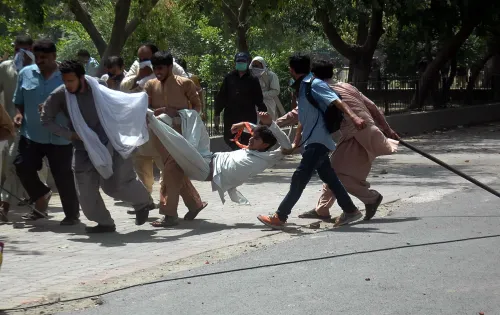
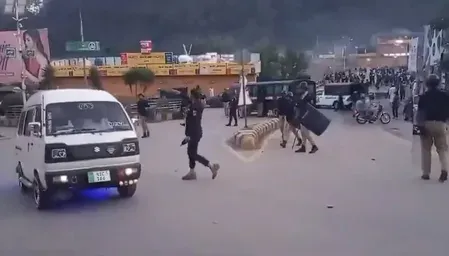
A civil society group in PoK, freshly branded a terrorist organisation by Pakistan, has called mass protests for 5 July as the death toll mounts and allegations of food blockades, assassinations attempts, and a communication blackout surface. The movement's leader has now turned the terrorism label back on Islamabad, alleging it was the Pakistan Army that armed Kashmiris in the first place.
Key Takeaways
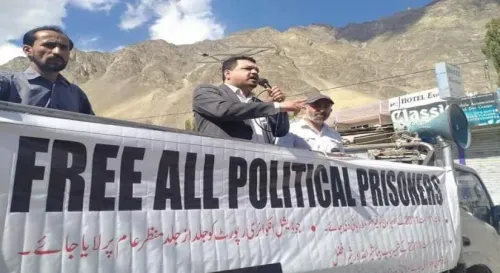
JAAC leader Sardar Amman Khan announced large-scale protests across Pakistan-occupied Kashmir on 5 July .
Pakistan has designated JAAC a terrorist organisation; the group denies the charge and continues to mobilise.
The UKPNP alleged a deliberate blockade of food, medicine, and essential supplies, and confirmed the arrest of Shaukat Nawaz Mir , a JAAC Core Committee member.
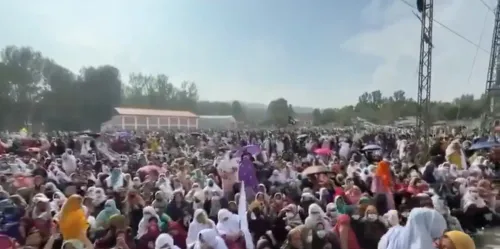
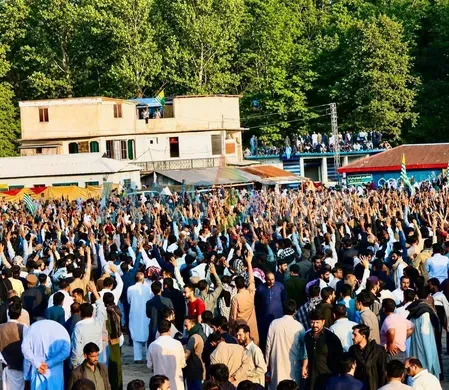
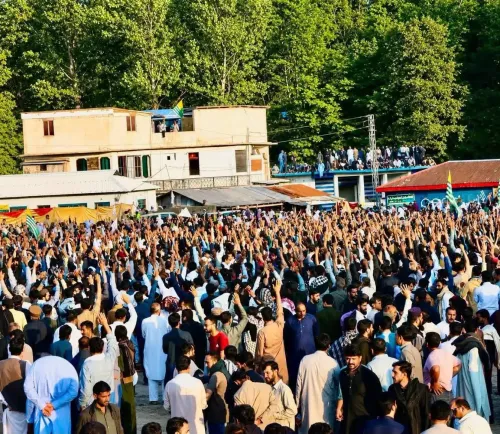
Over 80,000 protesters gathered at Eidgah grounds in Rawalakot on the 24th day of demonstrations.
Sardar Amman Khan alleged the Pakistan Army itself supplied weapons to Kashmiris across the Line of Control .
The movement is anchored on 38 demands ; failure to meet them could escalate into a call for Pakistan's complete withdrawal from the region.
The Joint Awami Action Committee (JAAC) — a civil society group in Pakistan-occupied Kashmir (PoK) recently designated a terrorist organisation by Pakistani authorities — has announced large-scale protests across the territory on 5 July, as an unrest that has already left dozens dead shows no sign of abating. The call came on Friday, 3 July, as PoK entered its 24th consecutive day of anti-government demonstrations.
The Protest Call
JAAC leader Sardar Amman Khan took to X on Friday to urge people from PoK — wherever they are settled — to take to the streets on 5 July and make their voices heard globally. 'We will neither bow down nor stop,' he declared, vowing to continue the struggle against Pakistani authorities 'with full strength.' The 5 July mobilisation is positioned as a decisive escalation of a movement that has already drawn over 80,000 protesters to the Eidgah grounds in Rawalakot.
Allegations of Siege and Crackdown
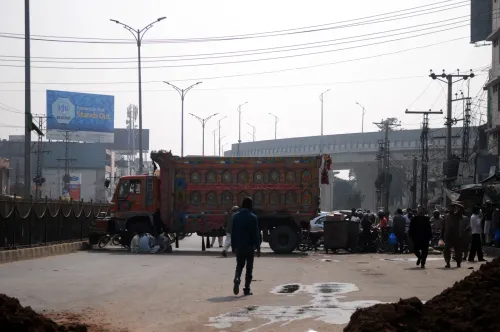
The United Kashmir People's National Party (UKPNP) has alleged that the situation in PoK has reached a 'critical breaking point.' In a post on X, UKPNP spokesperson Sardar Nasir Aziz Khan said: 'Shamefully, the supply of food, medicine, and essential life-saving items has been deliberately stopped. Worse still, an assassination attempt was made on Umar Nazir Kashmiri, and Shaukat Nawaz Mir — Member of the Core Committee, JAAC — has been arrested.'
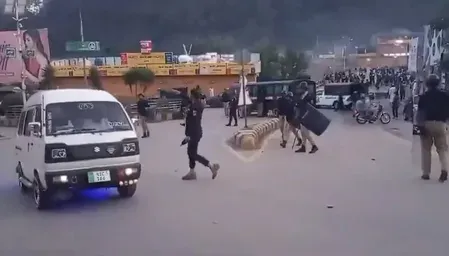
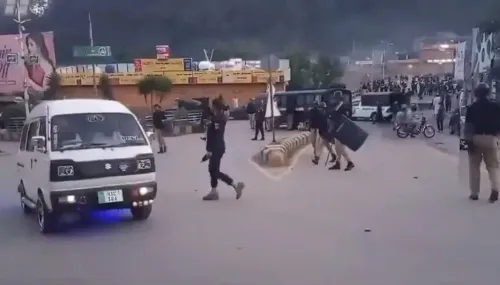
The UKPNP further alleged that Pakistani ministers and media outlets have launched what it described as a 'venomous smear campaign and propaganda war' against Kashmiris, the JAAC, and the UKPNP itself. The party called on Islamabad to immediately halt the use of force, lift the ban on JAAC, and enter negotiations for a peaceful resolution. 'Bullets and guns cannot resolve political and economic problems,' the UKPNP stated.
JAAC Leader's Explosive Charges Against Pakistan Army
On Thursday, Sardar Amman Khan delivered what observers described as one of the movement's most charged speeches. He alleged that it was the Pakistan Army itself that had supplied weapons and ammunition to Kashmiris across the Line of Control. 'It was the Pakistan Army that handed guns to Kashmiris. And today, they dare to call us terrorists,' he reportedly said, drawing thunderous applause from the crowd.
Khan also highlighted a Jaish-e-Mohammed rally held in Rawalakot in February last year, where armed participants openly paraded through the streets brandishing AK-47s and swords. He noted that the Deputy Commissioner of Rawalakot had not only permitted the event but also provided security for it. 'Deputy Commissioner Rawalakot, you used to organise rallies here with guns and swords. Do you remember? And now you call us terrorists,' Khan said.
The 38 Demands and What Comes Next
The protest movement, which has united communities across PoK, revolves around 38 key demands centred on basic rights and economic grievances. What began as localised discontent has, according to observers, transformed into a direct challenge to Islamabad's long-standing political control over the region.
Sardar Amman Khan issued a stern warning: if the 38 demands are not immediately accepted and implemented, the agitation will evolve from a push for reform into a full-fledged call for Pakistan to completely withdraw from the territory. The Kashmiri diaspora, according to the UKPNP, has pledged to amplify the movement on the global stage.
Point of View
As Sardar Amman Khan's allegation that the Pakistan Army itself armed Kashmiris illustrates. The terrorism label, deployed against a group demanding subsidised flour and electricity, risks internationalising a dispute Islamabad has long sought to frame on its own terms. With the diaspora mobilising and a communication blackout in place, the information vacuum is being filled by the movement's own accounts — a dynamic that historically amplifies, not moderates, grievances. The 38-demand framework also signals this is no longer a single-issue agitation; it is a structured political challenge that a crackdown alone is unlikely to resolve.
NationPress
2 Oct 2026
Frequently Asked Questions
What is the JAAC and why has Pakistan designated it a terrorist organisation?
The Joint Awami Action Committee (JAAC) is a civil society group in Pakistan-occupied Kashmir that has been leading anti-government protests over basic rights and economic demands. Pakistani authorities recently designated it a terrorist organisation, a move the group and its supporters reject as an attempt to suppress legitimate dissent.
What are the protesters in PoK demanding?
The movement is anchored on 38 key demands centred on basic rights, economic relief, and political accountability. JAAC leader Sardar Amman Khan has warned that if these demands are not met, the agitation could escalate into a call for Pakistan to completely withdraw from the region.
What did JAAC leader Sardar Amman Khan allege about the Pakistan Army?
Khan alleged that the Pakistan Army itself supplied weapons and ammunition to Kashmiris across the Line of Control, making it contradictory for authorities to now label the same population as terrorists. He also cited a Jaish-e-Mohammed rally in Rawalakot in February last year, where armed participants paraded openly with the Deputy Commissioner's permission.
What conditions does the UKPNP say exist in PoK right now?
The United Kashmir People's National Party (UKPNP) has alleged a strict blockade, curfew, and total communication blackout, with the supply of food, medicine, and essential items reportedly cut off. The group also confirmed an assassination attempt on Umar Nazir Kashmiri and the arrest of JAAC Core Committee member Shaukat Nawaz Mir.
How significant is the July 5 protest call?
It represents a deliberate escalation: JAAC is calling on PoK residents globally, not just locally, to demonstrate simultaneously on 5 July. The movement has already drawn over 80,000 people to a single venue in Rawalakot on its 24th day, suggesting significant organisational depth despite the crackdown.