PoK clashes: 12 killed as JAAC protesters, police clash in Rawalakot
Synopsis
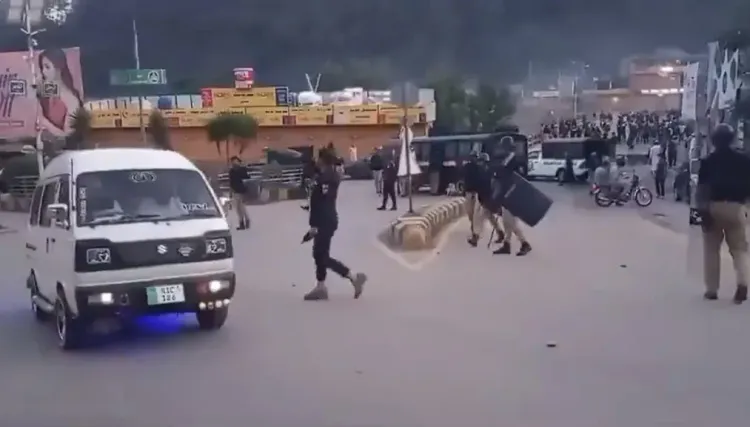
At least 12 people are dead after security forces and JAAC protesters clashed in Rawalakot, PoK — the territory's bloodiest unrest in recent memory. The PoK government had banned the JAAC just days before its planned Long March and cut internet access, but the crackdown appears to have accelerated, not suppressed, the crisis now spreading across multiple cities.
Key Takeaways
12 people killed — 8 protesters and 4 security personnel — in clashes in Rawalakot, PoK on 9 June 2025 .
Over 20 police and security officials were injured, according to the PoK Inspector General of Police.
The PoK government had declared JAAC a banned organisation under anti-terrorism laws days before its planned Long March on 9 June .
Internet services across PoK were reportedly suspended from the night of 5 June , disrupting regional communication.
Protests have spread to Muzaffarabad , Mirpur , Tata Pani , and Plandari ; solidarity demonstrations held in the UK , US , and Australia .
JAAC had previously led violent clashes with security forces in May 2024 and September 2025 .
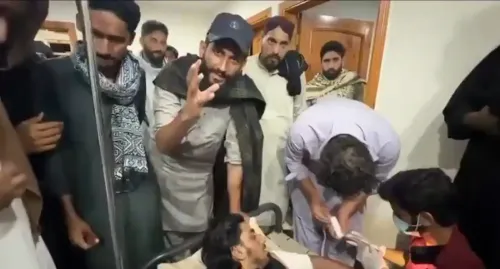
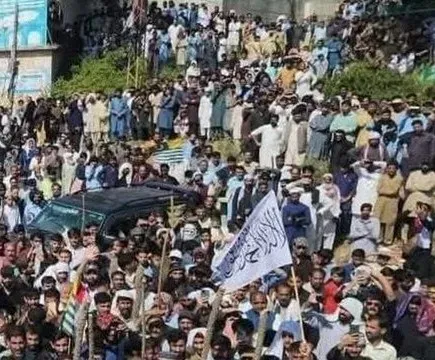
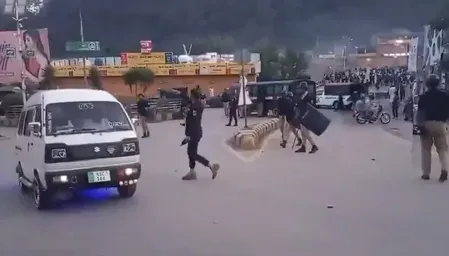
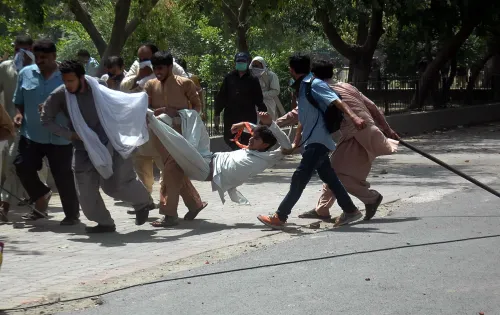
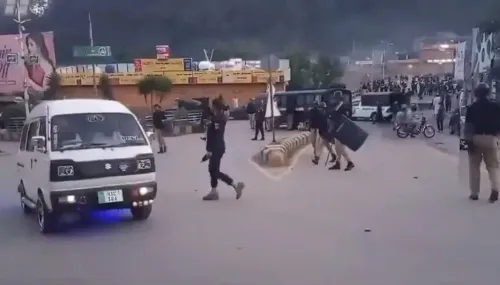
Twelve people — including eight protesters and four security personnel — were killed on Tuesday, 9 June as violent clashes erupted between members of the Joint Awami Action Committee (JAAC) and law enforcement forces in Rawalakot city of Pakistan-occupied Kashmir (PoK), according to local media reports. Several others were injured in what is being described as one of the deadliest confrontations the region has seen in recent years.
What Happened in Rawalakot
Sardar Waheed Khan, the Commissioner of Poonch district in PoK, confirmed the death toll of 12 and said several security officials sustained injuries. Khan alleged that JAAC members targeted security forces and that the protesters possessed modern weapons, claiming they attempted to disrupt law and order in the area, according to Pakistani daily The News International.
The PoK Inspector General of Police spokesperson separately confirmed that four law enforcement personnel were killed and over 20 police and security officials were wounded in the clash. Strict security arrangements have since been put in place across PoK, with authorities monitoring the situation closely.
Background: JAAC Banned Days Before Planned March
The violence came just days after the PoK government designated the JAAC a proscribed organisation under anti-terrorism laws, ahead of its planned Long March on 9 June. The crackdown also reportedly included the suspension of internet services across PoK from the night of 5 June, severely disrupting communication in the region, according to local activists cited by the European Times.
The JAAC had previously organised protests in PoK over economic grievances and political rights. Similar demonstrations turned violent during clashes with law enforcement in May 2024 and September 2025, The News International reported. This is, by that count, at least the third major cycle of JAAC-linked unrest in the territory.
Deaths Become a Flashpoint
Public outrage intensified following reports that Shahzaib Habib and Amjid Kashmiri, both JAAC members, lost their lives during confrontations tied to the demonstrations. Protesters have accused security forces of deploying excessive force against what they describe as peaceful agitation. The two deaths have become a rallying point for the movement, according to local activists cited in reports.
Protests Spread Beyond Rawalakot
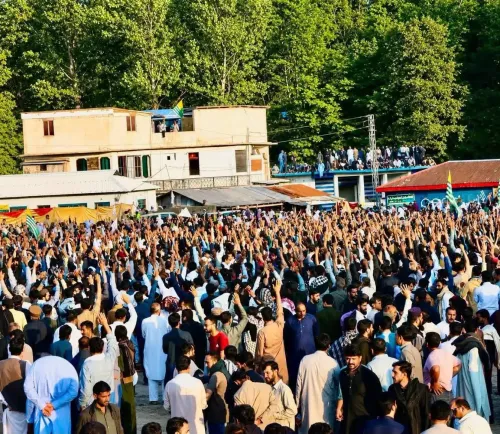
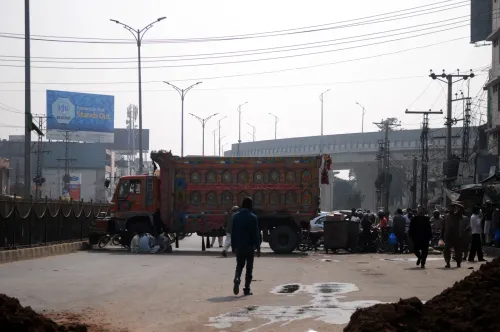
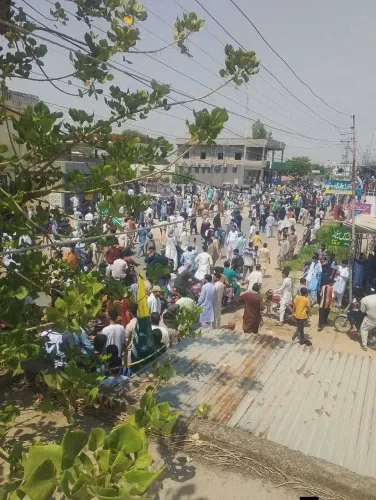
The unrest has expanded well beyond Rawalakot. Demonstrations and shutter-down strikes have been reported in Muzaffarabad, Mirpur, Tata Pani, and Plandari. In Plandari, local activists reportedly blocked key access routes as part of the widening agitation.
The crisis has also drawn reactions from the Kashmiri diaspora, with solidarity demonstrations held in the United Kingdom and concerns over human rights conditions in PoK raised at international forums in the United States and Australia. The European Times noted that with the Long March approaching and public anger continuing to grow, 'the situation in Pakistan-Occupied Kashmir appears poised to remain a major flashpoint, drawing increasing regional and international attention.'
Point of View
Suggesting that Islamabad's strategy of periodic crackdowns is not resolving the underlying grievances over economic deprivation and political rights in PoK. Banning the JAAC under anti-terrorism laws days before a planned Long March, while simultaneously suspending the internet, follows a familiar playbook that has historically inflamed rather than contained such movements. The diaspora mobilisation in the UK, US, and Australia signals an internationalisation of the crisis that Pakistan can ill afford given its current diplomatic vulnerabilities. The real question is whether Islamabad will open a political channel or double down on security measures — and the answer to that will determine whether Rawalakot becomes a turning point or merely the latest chapter in a recurring cycle.
NationPress
19 Sept 2026
Frequently Asked Questions
What triggered the clashes in Rawalakot, PoK on 9 June 2025?
The clashes erupted between members of the Joint Awami Action Committee (JAAC) and law enforcement personnel in Rawalakot city on 9 June 2025, killing 12 people. The violence followed the PoK government's decision to ban the JAAC under anti-terrorism laws and suspend internet services ahead of the group's planned Long March on the same date.
Who is the Joint Awami Action Committee (JAAC)?
The JAAC is a civil society and protest movement in Pakistan-occupied Kashmir that has organised agitations over economic issues and political rights. It had previously led protests that turned violent during clashes with security forces in May 2024 and September 2025, and was designated a proscribed organisation by the PoK government days before the 9 June unrest.
How many people were killed and injured in the Rawalakot clashes?
According to Poonch district Commissioner Sardar Waheed Khan, 12 people were killed — 8 protesters and 4 security personnel. The PoK Inspector General of Police spokesperson confirmed the four security deaths and said over 20 police and security officials were injured.
Has the unrest spread beyond Rawalakot?
Yes. Demonstrations and shutter-down strikes have been reported in Muzaffarabad, Mirpur, Tata Pani, and Plandari. In Plandari, activists reportedly blocked key access routes. Solidarity protests have also been held in the United Kingdom, and concerns have been raised at international forums in the United States and Australia.
What is the current situation regarding internet access in PoK?
Internet services across PoK were reportedly suspended from the night of 5 June 2025, according to local activists cited by the European Times. The suspension has severely disrupted communication throughout the region amid the ongoing unrest.