PoK crackdown: 1,500 arrested, 30 killed as global rights groups stay silent
Synopsis
While 30 civilians lay dead in Rawalakot and 1,500 more languish in Pakistani jails under anti-terror laws, the international human rights ecosystem — loudly vocal on Jammu and Kashmir — has gone silent on PoK. The contrast isn't incidental; it exposes a lobbying architecture built to challenge Indian sovereignty, not defend Kashmiri lives.
Key Takeaways
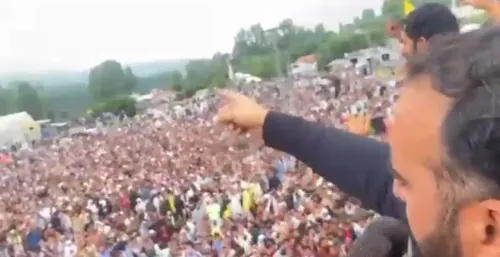
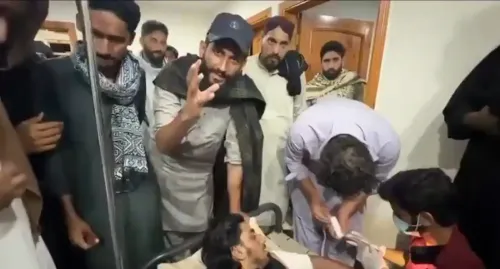
At least 30 civilians were killed when Punjab Rangers opened fire on protesters in Rawalakot, PoK on 7 and 8 June .
1,500 people have been arrested in PoK under anti-terrorism laws ; bodies of the killed have reportedly not been returned to families.
The Joint Awami Action Committee (JAAC) was formally banned on 5 June , after the Pakistani state reneged on promises of dialogue and reform.
Internet, mobile services, and local TV channels were suspended across PoK during the crackdown.
Global rights groups and advocacy handles including @standwithkashmir and @wka_kashmir posted no solidarity or human rights reporting on the PoK killings, according to Disinfo Lab .
Mushaal Hussein Malik , a former Pakistani government adviser, called on the JAAC to disband rather than condemn the civilian deaths.
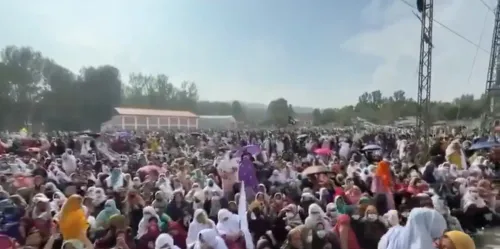
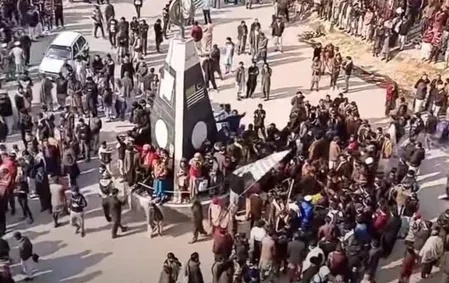
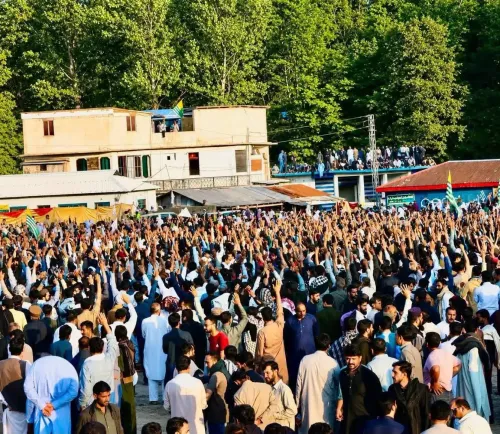
Pakistan-occupied Kashmir (PoK) is in the grip of a deepening crisis, with 1,500 civilians arrested under anti-terror laws and at least 30 people killed after security forces opened fire on protesters in Rawalakot on 7 and 8 June. Pakistan's military-directed crackdown — reportedly ordered by Field Marshal Asim Munir — has drawn sharp scrutiny not only for its brutality but for the conspicuous silence it has exposed among global human rights organisations.
How the Crisis Unfolded
The unrest was triggered by the Pakistani establishment's repeated failure to honour promises of economic and political reform in the region. The Joint Awami Action Committee (JAAC) — a coalition of traders, lawyers, and civil society members — had been pressing for economic relief, political sovereignty, and an end to elite administrative privileges. Initial assurances of dialogue gave way to a dramatic reversal: on 5 June, the state formally banned the JAAC under anti-terrorism legislation, effectively designating civilian organisers as enemies of the state overnight.
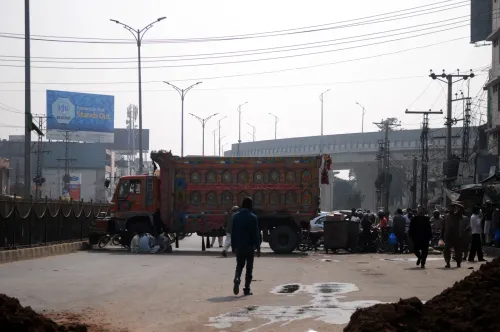
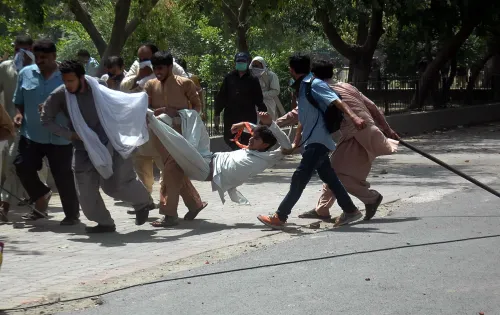
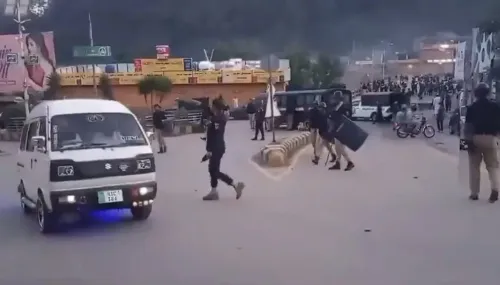
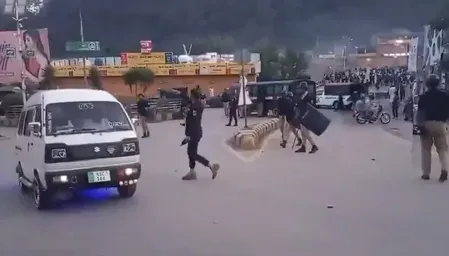
In the days that followed, internet and mobile services were suspended across PoK, and local television channels were taken off air. The state police were replaced by heavy contingents of Punjab Rangers, who opened fire on demonstrators in Rawalakot on 7 and 8 June, killing 30 civilians according to officials. Reports indicate that the bodies of those killed have not been returned to their families, and that women and children were among those fired upon.
The Selective Silence of Rights Organisations
What has drawn particular attention is the near-total absence of condemnation from international human rights bodies and advocacy groups — many of which have historically been vocal on matters concerning Jammu and Kashmir. According to officials, the same organisations that loudly protested the abrogation of Article 370 and counterterrorism operations in Jammu and Kashmir have offered no solidarity and no human rights reporting on the PoK crisis.
Disinfo Lab, a research group that investigates information warfare and psychological operations, raised this contradiction in a series of posts on X. The group noted that advocacy handles such as @standwithkashmir and @wka_kashmir continued to post anti-India content through June, even as deaths in PoK were being documented, without a single post on the Rawalakot killings.
Organisations including the Kashmir Institute of International Relations — which maintains offices in PoK — as well as Western entities linked to the Ghulam Nabi Fai network, the Kashmiri American Council, Pakistan House, and the Centre for Strategic and Contemporary Research also issued no statements on the June violence, according to Disinfo Lab.
According to officials, these entities are built around a narrative framework designed to challenge Indian sovereignty while portraying Pakistan as a champion of human rights in Jammu and Kashmir. Speaking out on PoK, officials argue, would undermine the premise of their lobbying and endanger their support structures.
Political Figures Deflect, Not Condemn
Prominent Kashmiri-origin political figures, rather than condemning the violence, reportedly moved to delegitimise the protesters. Mushaal Hussein Malik, a prominent political figure and former adviser to the Pakistani government, broke her silence — not to condemn the civilian killings in Rawalakot, but to call on the JAAC to disband immediately. She characterised the protests as a political conspiracy aimed at destabilising the region. Notably, none of these figures are reported to have appealed to Field Marshal Asim Munir to halt the crackdown.
What Comes Next
The JAAC has reportedly continued to appeal to the international community and human rights bodies, but officials say the response has been silence. With internet blackouts limiting information flow out of the region, independent verification of the full scale of the crackdown remains difficult. The crisis shows no signs of resolution, as neither the protesters nor the Pakistani establishment appear willing to stand down. How long the international community can sustain this silence — and whether it will ultimately prove untenable — remains the defining question.
Point of View
Not humanitarian. These organisations have built their credibility and funding pipelines around an anti-India narrative on Kashmir; condemning Islamabad's brutality in PoK would collapse that framework. What Disinfo Lab has surfaced is not merely hypocrisy but a coordinated information vacuum: the same handles that post daily on Jammu and Kashmir went dark when Rangers opened fire in Rawalakot. The harder question is whether Western governments and UN bodies, which fund or platform many of these groups, will now demand accountability — or quietly look the other way.
NationPress
26 Sept 2026
Frequently Asked Questions
What triggered the protests in Pakistan-occupied Kashmir?
The protests were sparked by the Pakistani establishment's repeated failure to deliver on promised economic and political reforms in PoK. The JAAC — a coalition of traders, lawyers, and civil society members — had been demanding economic relief, political sovereignty, and an end to elite administrative privileges before the state banned the group and deployed security forces.
How many people have been killed and arrested in the PoK crackdown?
At least 30 civilians were killed when Punjab Rangers opened fire on demonstrators in Rawalakot on 7 and 8 June. Separately, 1,500 people have been arrested across PoK under anti-terrorism laws, and the bodies of those killed have reportedly not been returned to their families.
Why are global human rights groups silent on the PoK crisis?
According to officials and research group Disinfo Lab, many international advocacy organisations are built around a narrative framework that challenges Indian sovereignty in Jammu and Kashmir while portraying Pakistan as a human rights champion. Speaking out on PoK would contradict that framework and, officials argue, endanger their lobbying support structures and funding pipelines.
What is the Joint Awami Action Committee (JAAC)?
The JAAC is a broad-based coalition of traders, lawyers, and civil society members in PoK that has been leading protests demanding economic relief, political sovereignty, and reduced administrative privileges for government officials. It was formally banned by Pakistan under anti-terrorism legislation on 5 June.
What did Disinfo Lab find about Kashmir advocacy groups?
Disinfo Lab, a group that investigates information warfare, found that prominent advocacy handles such as @standwithkashmir and @wka_kashmir continued posting anti-India content through June while publishing nothing on the civilian killings in Rawalakot. It also noted that organisations linked to the Ghulam Nabi Fai network, the Kashmiri American Council, and others issued no statements on the June violence.