PoK protests: Pakistan forces kill 11-12, fire live rounds amid crackdown
Synopsis
Pakistani security forces have killed at least 11–12 people and injured over 70 in a sweeping crackdown on protesters in PoK demanding economic rights and self-rule. With internet services suspended and a communications blackout reportedly hiding the full scale of the violence, the Human Rights Commission of Pakistan has broken ranks to demand an immediate de-escalation — a rare public rebuke from within Pakistan's own institutions.
Key Takeaways
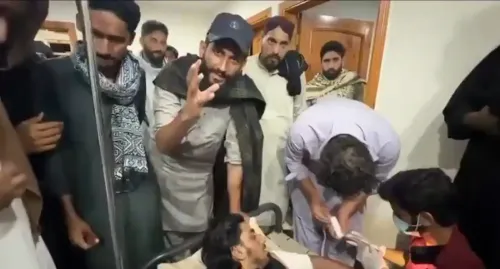
Pakistani security forces have killed at least 11–12 people and injured more than 70 others in Pakistan-occupied Kashmir (PoK) , according to reports.
Protests erupted in Mirpur , Muzaffarabad , Rawalakot , and Neelum , led by the Joint Awami Action Committee (JAAC) .
Demonstrators are demanding cheaper wheat and electricity, political rights, and an end to resource extraction by Islamabad.
Internet services have been suspended in PoK ; protesters allege a communications blackout is concealing the true scale of casualties.
The Human Rights Commission of Pakistan (HRCP) has called for immediate de-escalation and an impartial investigation into all deaths.
Reports note a similar crackdown in 2025 left multiple dead in Muzaffarabad and Mirpur , suggesting a recurring pattern of lethal force against dissent.
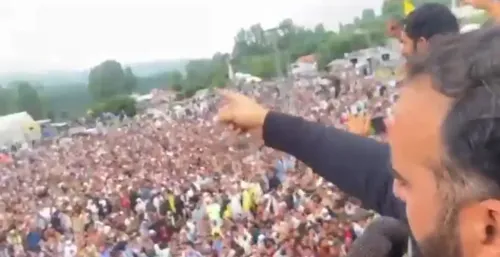
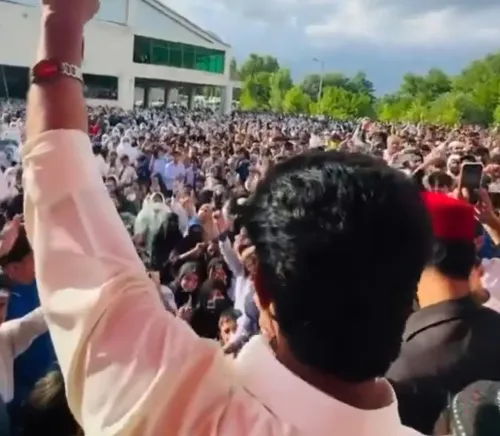
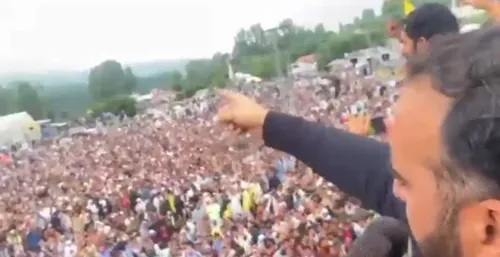
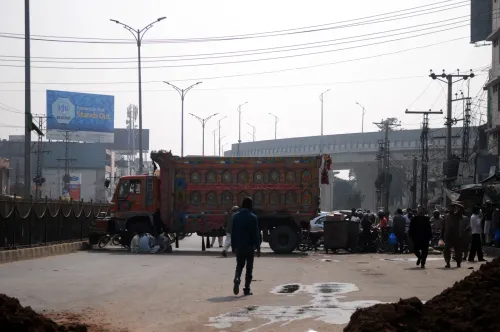
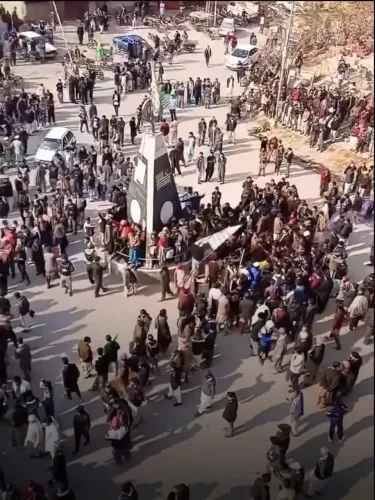
Pakistani security forces have opened fire on protesters in Pakistan-occupied Kashmir (PoK), killing at least 11–12 people and injuring more than 70 others, according to reports, as a sweeping crackdown targets demonstrators demanding an end to decades of economic neglect, political disenfranchisement, and resource exploitation. Protests have erupted across Mirpur, Muzaffarabad, Rawalakot, Neelum, and several other areas, with internet services suspended across the region.
What Sparked the Protests
The demonstrations, led by platforms including the Joint Awami Action Committee (JAAC), have centred on demands for cheaper essential commodities — including wheat and electricity — the removal of reserved seats allocated to outsiders, an end to elite privileges, and basic political rights. Protesters argue that PoK residents face severe poverty, unemployment, and underdevelopment despite the region's considerable strategic and natural wealth.
According to reports, Pakistan extracts resources from the region — including through projects such as the Mangla Dam and the Neelum-Jhelum hydropower project — while local communities see little return. The political structure of PoK, reports indicate, is managed by the Pakistani military and bureaucracy rather than locally elected representatives.
Scale of the Crackdown
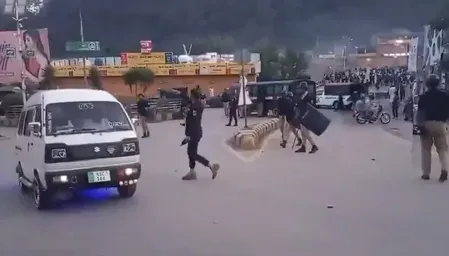
Pakistani forces reportedly responded with tear gas, water cannons, live ammunition, and mass arrests. Protesters have claimed that the actual casualty count is higher than officially acknowledged, alleging that a communications blackout — enforced through internet suspension — is obscuring the full scale of the violence. Dozens are reportedly detained.
This is not an isolated episode. According to reports, similar protests in 2025 over inflation and governance failures were met with lethal force, leaving multiple people dead in Muzaffarabad, Mirpur, and surrounding districts. Reports note that Pakistani authorities have labelled legitimate grievances as 'terrorism' and deployed troops from Punjab to impose curfews.
Human Rights Commission Raises Alarm
On Tuesday, the Human Rights Commission of Pakistan (HRCP) expressed concern over the escalating confrontation and the loss of lives on both sides. The HRCP called for an immediate de-escalation and an impartial investigation into all deaths and injuries.
In a statement shared on X, the HRCP said: 'We urge an immediate de-escalation of tensions and an impartial investigation into all deaths and injuries. The state must remember that proscribing popular movements invariably risks narrowing democratic space. Demands for constitutional change should be pursued through peaceful, representative and democratic processes rather than confrontation and violence.'
The Broader Pattern
Reports characterise Islamabad's actions in PoK as an effort to preserve control through coercion rather than legitimate governance. Protesters have consistently demanded self-rule, accountability, and an end to what they describe as the plundering of regional resources — demands that, according to reports, have been met with repression rather than dialogue.
As the death toll reportedly rises and the communications blackout persists, international attention on the situation in PoK is likely to intensify, with rights groups calling for independent verification of the casualty figures and conditions on the ground.
Point of View
However nominally independent, breaking from Islamabad's framing is rare and worth noting. That the Commission felt compelled to act signals the crackdown has crossed a threshold even domestic observers cannot ignore. Yet the internet blackout means casualty figures remain unverified, and the pattern of labelling protesters as terrorists gives security forces legal cover to continue. The deeper problem is structural: PoK's resource wealth flows outward while its residents lack basic political representation, a grievance that periodic crackdowns can suppress but not resolve. Each cycle of protest and repression strengthens the case for international scrutiny — and weakens Islamabad's already-thin claim that 'Azad' Kashmir is governed with consent.
NationPress
25 Oct 2026
Frequently Asked Questions
What are the PoK protests about?
Residents of Pakistan-occupied Kashmir are protesting decades of economic neglect, political disenfranchisement, and resource extraction by Islamabad. Key demands include cheaper wheat and electricity, removal of reserved seats for outsiders, self-rule, and basic political rights.
How many people have been killed in the PoK crackdown?
At least 11–12 people have been killed and more than 70 injured, according to reports. Protesters allege the actual toll is higher, claiming a communications blackout enforced through internet suspension is concealing the full scale of casualties.
What is the Joint Awami Action Committee (JAAC)?
The JAAC is a civil society platform in PoK that has been at the forefront of organising protests against economic hardship and political marginalisation. It has led demonstrations in Mirpur, Muzaffarabad, Rawalakot, and Neelum, among other areas.
What has the Human Rights Commission of Pakistan said about the crackdown?
The HRCP expressed concern over the escalating violence and loss of life on both sides, calling for an immediate de-escalation and an impartial investigation into all deaths and injuries. In a statement on X, it urged that demands for constitutional change be pursued through peaceful and democratic processes.
Is this the first time Pakistani forces have used lethal force against PoK protesters?
No. According to reports, similar protests in 2025 over inflation and governance failures were also met with lethal force, leaving multiple people dead in Muzaffarabad, Mirpur, and surrounding districts. Reports describe a recurring pattern of troop deployments from Punjab, curfews, and labelling of protesters as terrorists.