Pakistan-occupied Kashmir: Security laws fuel human rights crisis, says report
Synopsis
A Brussels-based report finds that Pakistan's security laws — anti-terrorism statutes, PECA amendments, internet shutdowns — are no longer tools of counter-extremism but instruments of political control in PoK. The JAAC crackdown, election-day violence in Rawalakot, and a decade of documented abuses by OHCHR and Amnesty point to a systematic erosion of civic freedoms that mainstream coverage has largely framed as isolated incidents.
Key Takeaways
A Brussels-based EU Reporter report documents a widening human rights crisis in Pakistan-occupied Kashmir (PoK) , citing findings from OHCHR , Human Rights Watch , Amnesty International , and HRCP .
On 27 July , violent clashes erupted in Rawalakot on election day; the JAAC alleged Pakistani security forces used live ammunition, causing dozens of deaths and injuries.
On 5 June , Pakistani authorities designated the JAAC a 'proscribed organisation' under the Anti-Terrorism Act and imposed an indefinite mobile internet shutdown alongside mass arrests.
The government of Prime Minister Shehbaz Sharif expanded digital surveillance powers via PECA amendments enacted in January 2025 , following the disputed 8 February 2024 general elections.
The report argues counterterrorism laws are now routinely used to suppress political dissent, with emergency powers becoming 'institutionalised beyond their original security rationale.'
A Brussels-based report has documented a deepening human rights crisis in Pakistan-occupied Kashmir (PoK), arguing that security-centred legislation once aimed at specific threats is now routinely deployed to suppress political dissent. The findings draw on assessments by the Office of the United Nations High Commissioner for Human Rights (OHCHR), Human Rights Watch, Amnesty International, and the Human Rights Commission of Pakistan (HRCP), all of which have raised repeated concerns over enforced disappearances, excessive force, curbs on expression, gender-based violence, and a persistent lack of accountability in the occupied territory.
Violence on Election Day in Rawalakot
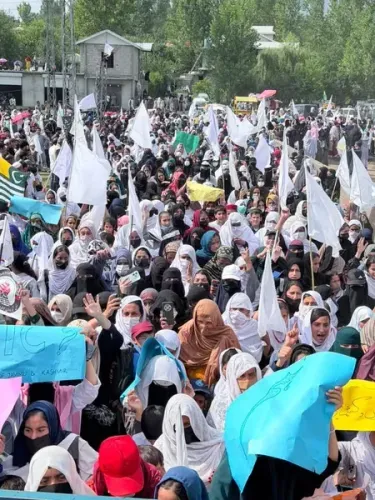
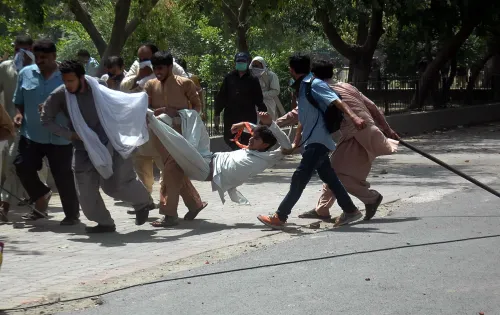
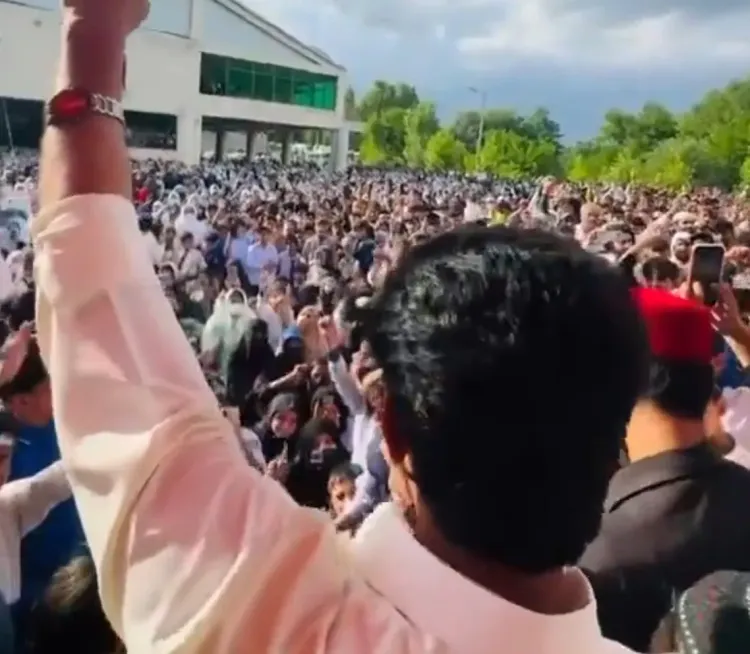
On 27 July, the first day of so-called legislative elections in PoK, violent clashes erupted in Rawalakot. The Joint Awami Action Committee (JAAC) alleged that Pakistani security forces fired live ammunition at protesters, resulting in dozens of deaths and injuries. A simultaneous shutdown of mobile and internet services severely hampered independent verification, leaving journalists, human rights observers, and election monitors with limited ability to assess conditions on the ground.
A Political Crisis Weeks in the Making
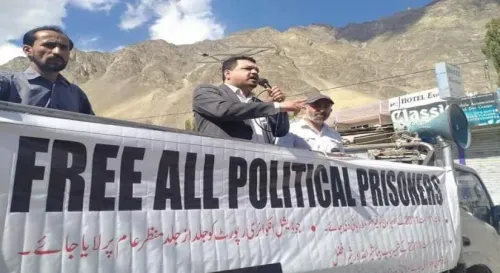
According to the report, published by EU Reporter, the Rawalakot violence was not an isolated incident. The broader crisis had been building for weeks. On 5 June, just hours after regional elections were announced, Pakistani authorities designated the JAAC a 'proscribed organisation' under Pakistan's Anti-Terrorism Act. An indefinite suspension of mobile internet services followed, accompanied by mass arrests targeting the movement's leaders and supporters.
The report draws a direct line between these events and a wider shift in Pakistan's approach to political dissent following the disputed general elections of 8 February 2024. Those elections were marked by a nationwide internet shutdown, allegations of restrictions on opposition parties, and persistent concerns about electoral integrity, according to assessments by Freedom House and Human Rights Watch. In the aftermath, the government of Prime Minister Shehbaz Sharif significantly expanded state authority in the digital sphere through amendments to the Prevention of Electronic Crimes Act (PECA), enacted in January 2025.
Security Powers Repurposed for Political Control
The report argues that counterterrorism laws, digital regulations, and emergency measures are no longer confined to addressing specific security threats. Instead, they are increasingly applied to manage routine political dissent. The designation of the JAAC, the communications blackout ahead of elections, allegations of excessive force against demonstrators, and the decade-long pattern of documented human rights concerns, the report contends, 'collectively illustrate how emergency powers may become institutionalised beyond their original security rationale.'
Notably, this convergence — of counterterrorism legislation, extended internet shutdowns, restrictions on political participation, and coercive policing — signals what the report describes as a broader shift in the exercise of state authority in PoK.
What Comes Next
The JAAC case, the report concludes, marks the starting point of a wider analytical concern: that the expanding use of security powers is systematically eroding civic freedoms and institutional accountability across the occupied territory. With international human rights bodies already on record over the past decade, pressure for independent access and accountability mechanisms in PoK is likely to intensify.
Frequently Asked Questions
What is the human rights situation in Pakistan-occupied Kashmir?
According to reports from OHCHR, Human Rights Watch, Amnesty International, and HRCP over the past decade, Pakistan-occupied Kashmir has seen enforced disappearances, excessive use of force, restrictions on freedom of expression, gender-based violence, and a lack of accountability. A Brussels-based report published in August 2025 argues these concerns have intensified as security laws are increasingly used to suppress political dissent.
What happened in Rawalakot on 27 July?
Violent clashes broke out in Rawalakot on 27 July, the first day of so-called legislative elections in PoK. The Joint Awami Action Committee alleged Pakistani security forces fired live ammunition at protesters, resulting in dozens of deaths and injuries. Simultaneous mobile and internet shutdowns prevented independent verification by journalists and observers.
Why was the JAAC designated a proscribed organisation?
Pakistani authorities designated the Joint Awami Action Committee (JAAC) a proscribed organisation under Pakistan's Anti-Terrorism Act on 5 June, hours after regional elections were announced. Critics and the Brussels report argue the designation was a political move to suppress dissent rather than a genuine counter-terrorism measure, as it was accompanied by mass arrests and an indefinite internet shutdown.
How did Pakistan expand its digital surveillance powers after the 2024 elections?
Following the disputed general elections of 8 February 2024, Prime Minister Shehbaz Sharif's government enacted amendments to the Prevention of Electronic Crimes Act (PECA) in January 2025, significantly broadening state authority over digital communications. The report argues these amendments have made internet shutdowns a routine tool of political management rather than an emergency measure.
Which international bodies have raised concerns about PoK?
The Office of the United Nations High Commissioner for Human Rights (OHCHR), Human Rights Watch, Amnesty International, and the Human Rights Commission of Pakistan (HRCP) have all raised concerns about PoK over the past decade, citing enforced disappearances, excessive force, curbs on expression, and gender-based violence.