UN human rights office flags PoK unrest: 30+ dead, JAAC banned
Synopsis
The UN's top human rights body has publicly rebuked Pakistan over its handling of the PoK unrest — banning a civilian protest movement under anti-terror laws, arresting its leaders, and cutting internet access — even as the death toll crosses 30. With a long march paused only until 22 July, the crisis is far from over.
Key Takeaways
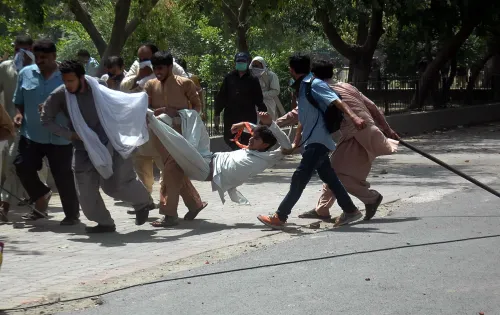
The OHCHR on 17 July raised serious concerns over rights violations in Pakistan-occupied Kashmir (PoK) amid unrest that has killed more than 30 people since June.
UN High Commissioner Volker Türk called for prompt, impartial investigations into all deaths among protesters and security forces.
The Joint Awami Action Committee (JAAC) has been banned under anti-terrorism laws and several of its leaders arrested.
The UN flagged internet shutdowns across PoK as disproportionate and a violation of freedom of expression.
The JAAC suspended its long march toward Muzaffarabad until 21 July after talks reportedly involving Army Chief General Asim Munir , warning the march resumes on 22 July if demands are unmet.
Tensions are running high ahead of the 27 July election in PoK.
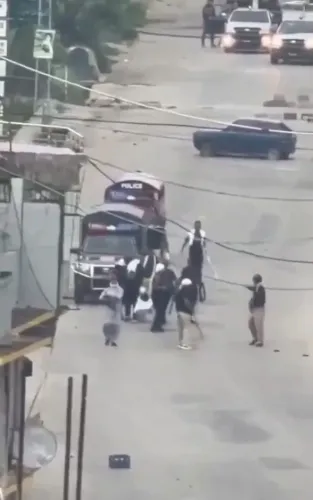
The Office of the United Nations High Commissioner for Human Rights (OHCHR) on Friday, 17 July raised serious concerns about the violent crackdown on protesters in Pakistan-occupied Kashmir (PoK), where escalating unrest has reportedly claimed more than 30 lives since June 2025. The Geneva-based body called for impartial investigations and an immediate restoration of civil liberties in the territory.
What the UN Said
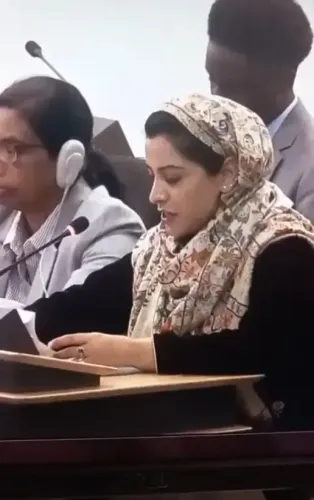
Jeremy Laurence, Spokesperson for the UN High Commissioner for Human Rights, said in a formal statement that 'the criminalisation of a civil society organisation and imposition of strict limitations on gatherings raise serious concerns about infringements on the rights to freedom of expression, peaceful assembly and association. Detained JAAC leaders must have access to legal representation and their families. Their rights to due process and fair trial must be fully guaranteed.'
UN High Commissioner Volker Türk separately called for calm and urged 'prompt, thorough and impartial investigations' into all deaths arising from the unrest — among both protesters and members of security forces.
The JAAC and the Ban
At the centre of the crisis is the Joint Awami Action Committee (JAAC) — a broad-based movement comprising traders, transporters, students, lawyers, and civil society activists. Pakistani authorities have banned the organisation under anti-terrorism laws, alleging it threatened public order and security. Several of its leaders have since been arrested.
The OHCHR described the ban as deeply troubling, warning that deploying counter-terrorism statutes against a civilian protest movement sets a dangerous precedent for the suppression of legitimate dissent.
Internet Blackout and Assembly Curbs
The UN human rights office also flagged the suspension of internet access across PoK, calling the restrictions 'disproportionate' and a direct violation of the right to seek, receive, and share information — particularly alarming at a time of heightened tensions. The office urged Pakistani authorities to restore full internet access without delay.
Restrictions on public gatherings have compounded the situation, with the UN noting that the cumulative effect of the ban, the arrests, and the communications blackout amounts to a systematic curtailment of fundamental freedoms.
The Long March and Negotiations
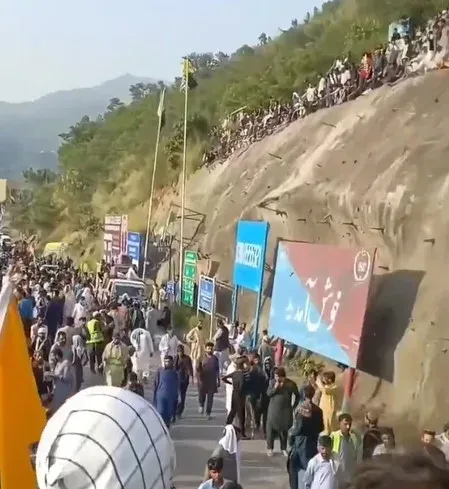
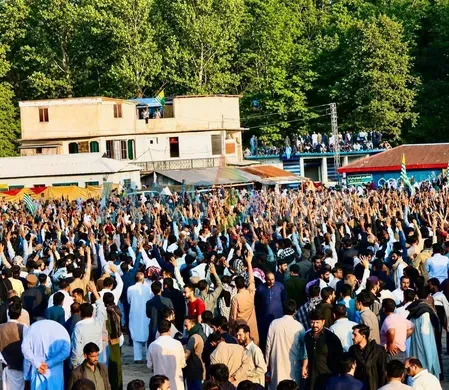
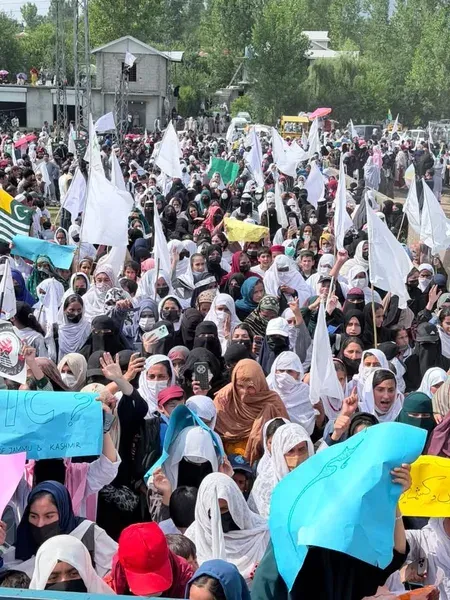
The JAAC had mobilised thousands of supporters — including large numbers of women and children — for a long march toward Muzaffarabad, following the expiry of a 14 July deadline it had set for the government. Caravans converged from across the region on Rawalakot and other protest sites.
Following negotiations with Pakistani authorities — reportedly involving Pakistani Army Chief General Asim Munir and JAAC leader Umar Nazir Kashmiri — the march was suspended until 21 July. The JAAC described the pause as giving the government 'one final opportunity' to address its demands. The group warned that if no concrete action is taken, the march toward Muzaffarabad will resume on 22 July, while sit-ins across PoK continue.
Broader Context
The unrest intensified in the weeks ahead of the 27 July election in PoK. UN High Commissioner Türk called for 'meaningful and inclusive political dialogue' to address the underlying grievances of the local population. Notably, this is not the first time the OHCHR has raised concerns about civil liberties in PoK, but the scale of reported fatalities — dozens of civilians and law enforcement personnel — makes the current episode among the most severe in recent memory.
Point of View
Students, and lawyers — is a significant escalation that the UN has rightly called out. Banning a civilian organisation under counter-terror law is a tool of last resort; using it against a protest movement over subsidy grievances signals that Islamabad has few other levers in PoK. The reported involvement of Army Chief General Asim Munir in negotiations is itself telling: it confirms that the civil administration has effectively lost the room. With elections due on 27 July, the calculus is volatile — suppression risks inflaming turnout and legitimacy, while concessions could embolden similar movements elsewhere in Pakistan's periphery.
NationPress
16 Oct 2026
Frequently Asked Questions
Why is there unrest in Pakistan-occupied Kashmir in 2025?
Unrest in PoK has been escalating since June 2025, driven by longstanding grievances among local traders, transporters, students, and civil society groups organised under the Joint Awami Action Committee (JAAC). Tensions have mounted ahead of the 27 July election in the territory, and the death toll has reportedly crossed 30.
What has the UN said about the PoK situation?
The OHCHR on 17 July called for impartial investigations into all deaths, the release of detained JAAC leaders with access to legal representation, and the immediate restoration of internet access. UN High Commissioner Volker Türk also urged meaningful political dialogue to address the root grievances of PoK's population.
Why has Pakistan banned the JAAC?
Pakistani authorities banned the Joint Awami Action Committee under anti-terrorism laws, alleging the group threatened public order and security. The UN human rights office has described this as raising serious concerns about the criminalisation of legitimate civil society activity.
What is the JAAC's long march and what happens next?
The JAAC mobilised thousands of supporters, including women and children, for a march toward Muzaffarabad after a 14 July government deadline passed without action. Following negotiations reportedly involving Army Chief General Asim Munir, the march was suspended until 21 July. The group warned it will resume on 22 July if its demands are not met.
Who is affected by the PoK unrest?
Dozens of civilians — including traders, students, and ordinary residents — as well as law enforcement personnel have reportedly been killed or injured. Internet shutdowns have affected the broader population's access to information, and restrictions on assembly have curtailed public life across the territory.