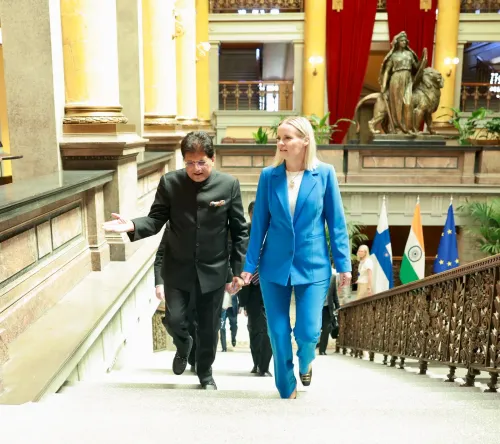
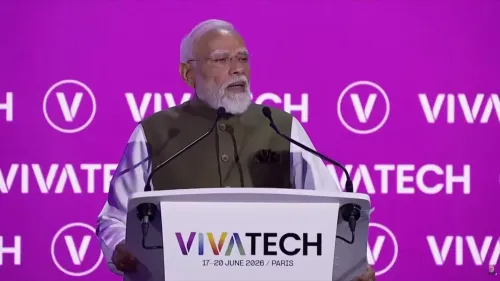
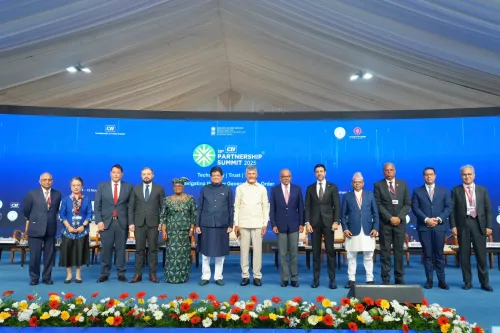
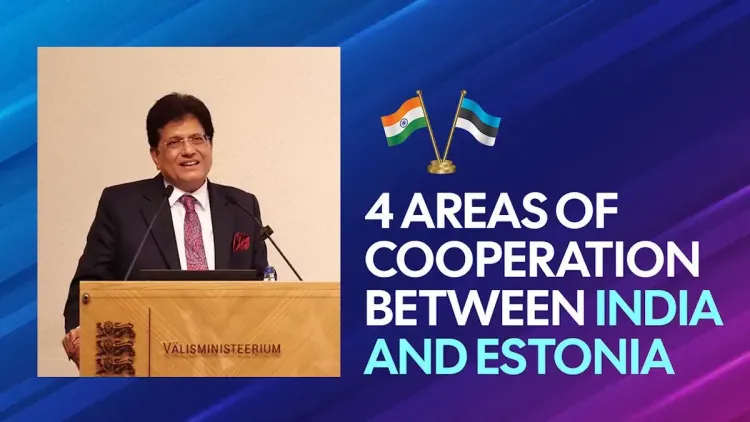
Piyush Goyal flags four India-Estonia cooperation areas
Synopsis
Commerce Minister Piyush Goyal on 17 July 2026 outlined four sectors — digital public infrastructure, ports and logistics, sustainable agri-tech, and defence technologies — where India and Estonia can build structured bilateral cooperation, signalling focused engagement with the Baltic EU member.
Key Takeaways
Piyush Goyal publicly identified four sectors for India-Estonia collaboration on 17 July 2026 .
The four areas are: digital public infrastructure and e-governance , ports, logistics and maritime connectivity , sustainable agri technologies , and defence and security technologies .
Estonia is globally recognised for its X-Road data exchange layer, e-residency programme, and cyber-security capabilities.
India's Digital India (2015), Sagarmala (2015), and Atmanirbhar Bharat (2020) programmes form the domestic policy backbone relevant to all four sectors.
Potential beneficiaries include Indian agri-tech startups , defence manufacturers , and port operators , as well as Estonian tech firms seeking large-market access.
Follow-up MoUs or working groups at an India-EU summit would be the next concrete indicator of progress.
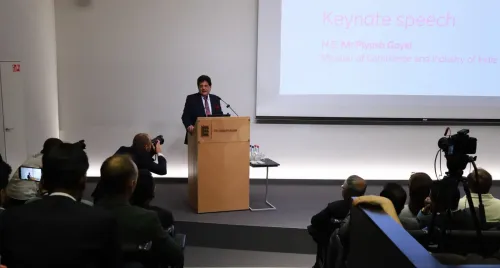
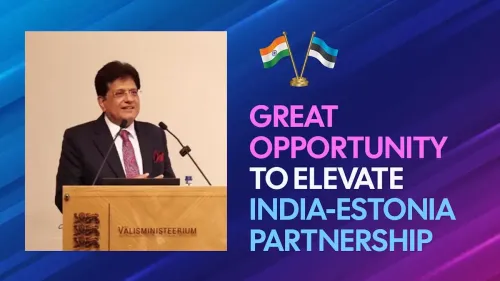
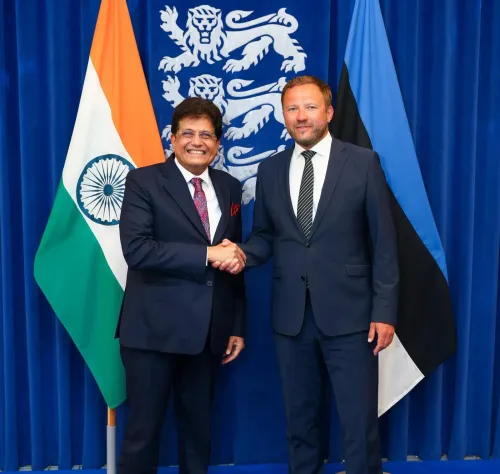
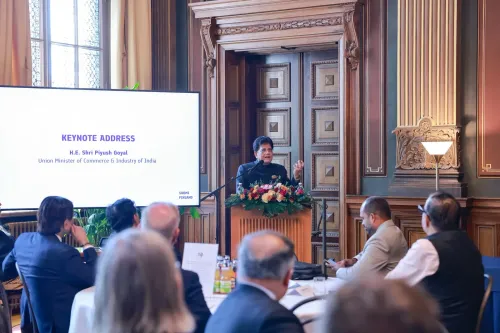
Union Commerce and Industry Minister Piyush Goyal on Friday, 17 July 2026, outlined four priority sectors where India and Estonia can deepen bilateral engagement, signalling fresh momentum in ties with the Baltic nation known globally for its digital governance credentials.
Context
In his post, Goyal identified digital public infrastructure and e-governance, ports, logistics and maritime connectivity, sustainable agri technologies, and defence and security technologies as the four pillars for potential India-Estonia collaboration. The enumeration is precise and sector-specific, suggesting the statement emerged from or anticipates structured diplomatic engagement rather than a routine courtesy exchange.
Estonia is a European Union and NATO member with an outsized reputation in digital governance, having pioneered the X-Road data exchange layer, the e-residency programme, and robust cyber-security frameworks — all areas where India is actively seeking partnerships to benchmark and scale its own systems.
Policy Backdrop
India has built one of the world's most extensive Digital Public Infrastructure (DPI) stacks, encompassing Aadhaar, UPI, and the Account Aggregator framework, under the Digital India programme launched in 2015. New Delhi has increasingly positioned this stack as a cooperation template for partner nations, making Estonia — with complementary small-state digital expertise — a natural interlocutor.
On maritime connectivity, the Sagarmala project, also announced in 2015, has been the backbone of India's port modernisation push. Expanding logistics linkages with Baltic Sea ports would diversify India's European maritime corridors. On defence, the Atmanirbhar Bharat Abhiyan unveiled in 2020 has prioritised indigenous production while selectively seeking technology partnerships with trusted partners — a frame within which Estonia's cyber-defence capabilities fit naturally.
Stakeholders and Impact
Indian agri-tech startups and defence manufacturers stand to gain access to Estonian precision technologies and cyber frameworks, while port operators on both sides could explore direct logistics corridors. Estonian tech firms, many of them globally competitive despite the country's small size, would gain a foothold in one of the world's fastest-growing large markets.
For India, the partnership also carries strategic value: aligning with an EU and NATO member on defence and security technologies strengthens New Delhi's multi-alignment posture in Europe at a time of heightened geopolitical flux. Estonian expertise in countering cyber threats could complement India's own rapidly maturing cyber-security architecture.
What's Next
Analysts will watch for follow-up Memoranda of Understanding (MoUs) or joint working groups that could emerge from any forthcoming India-EU summit or bilateral ministerial meetings. Budget allocations or parliamentary references to Estonia-specific technology pilots would be a further signal that the cooperation has moved from articulation to implementation.
As India continues to internationalise its DPI model and diversify defence supply chains, the Goyal statement positions Estonia as a focused, high-value partner — one where depth of expertise, not size of economy, is the deciding factor.
Point of View
The post is a quiet but deliberate signal of a multi-domain partnership being assembled piece by piece.
NationPress
17 Jul 2026
Frequently Asked Questions
What are the four areas Piyush Goyal proposed for India-Estonia cooperation?
Goyal identified digital public infrastructure and e-governance, ports and maritime logistics, sustainable agri technologies, and defence and security technologies as the four priority sectors for India-Estonia collaboration.
Why is Estonia considered a strong partner for India in digital governance?
Estonia pioneered the X-Road data exchange layer and the e-residency programme, and has advanced cyber-security capabilities — all complementary to India's own Aadhaar, UPI and Account Aggregator-based DPI stack.
How does this fit into India's broader Digital Public Infrastructure diplomacy?
India has been positioning its DPI stack as a cooperation template for partner nations since the Digital India programme launched in 2015, and bilateral engagements with digitally advanced countries like Estonia form part of that outreach.
What Indian government programmes are relevant to the sectors Goyal mentioned?
The Digital India programme (2015) covers e-governance and DPI, the Sagarmala project (2015) addresses port and maritime connectivity, and the Atmanirbhar Bharat Abhiyan (2020) underpins the defence technology push.
What would signal that India-Estonia cooperation has moved beyond statements?
Concrete follow-up steps such as signed MoUs, joint working groups, or budget allocations for Estonia-specific technology pilots would indicate that the cooperation has moved from articulation to implementation.