PoK unrest: HRCP urges de-escalation as dozens killed in clashes
Synopsis
Pakistan's own Human Rights Commission has broken ranks to demand a de-escalation and independent probe in PoK, where dozens are reportedly dead after authorities proscribed the JAAC under anti-terrorism laws. With a Sindhi opposition leader now publicly calling on India and the UN to intervene, the crisis is rapidly acquiring an international dimension that Islamabad will find difficult to contain.
Key Takeaways
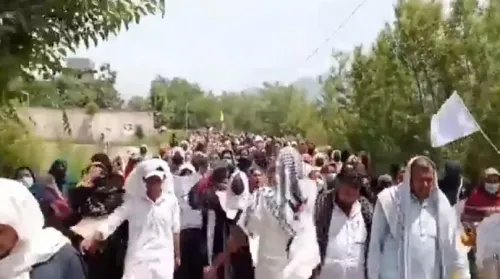
The Human Rights Commission of Pakistan (HRCP) on 9 June called for immediate de-escalation in Pakistan-occupied Kashmir (PoK) after deadly clashes between protesters and security forces.
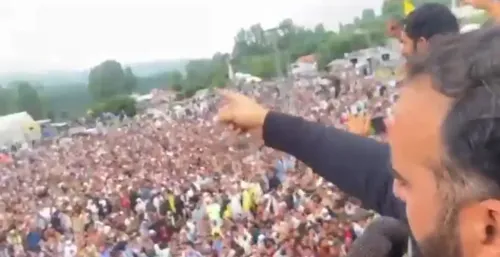
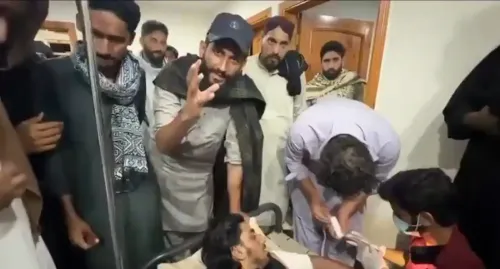
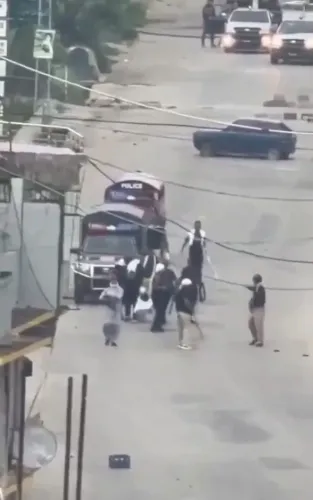
Dozens of people have reportedly been killed and hundreds injured, according to multiple reports, though independent verification remains restricted.
Pakistani authorities declared the Joint Awami Action Committee (JAAC) a proscribed organisation under anti-terrorism laws ahead of a planned protest, triggering the violence.
JSMM chairman Shafi Burfat posted on X urging India , the UN , and the global community to intervene against what he called Pakistani military 'brutality' in PoK.
The HRCP has demanded an impartial investigation into all deaths and injuries and warned against narrowing democratic space through proscription of popular movements.
The Human Rights Commission of Pakistan (HRCP) on Tuesday, 9 June expressed serious concern over the escalating confrontation in Pakistan-occupied Kashmir (PoK), calling for an immediate end to violence after dozens of protesters and law enforcement personnel were reportedly killed in clashes with security forces.
HRCP's Call for De-escalation
In a statement shared on X, the HRCP urged all parties to step back from the brink. 'We urge an immediate de-escalation of tensions and an impartial investigation into all deaths and injuries. The state must remember that proscribing popular movements invariably risks narrowing democratic space. Demands for constitutional change should be pursued through peaceful, representative and democratic processes rather than confrontation and violence,' the commission stated.
The HRCP's intervention signals rare institutional pushback within Pakistan against the handling of the unrest, lending weight to calls for accountability that have so far come primarily from protest leaders and civil society.
Background: JAAC Proscription Triggers Violence
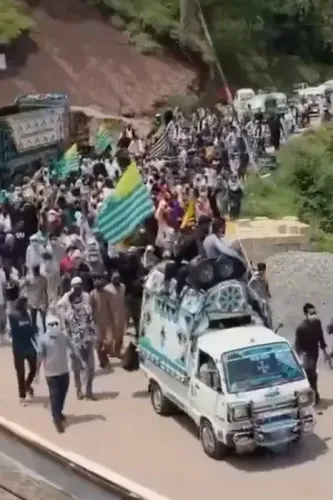
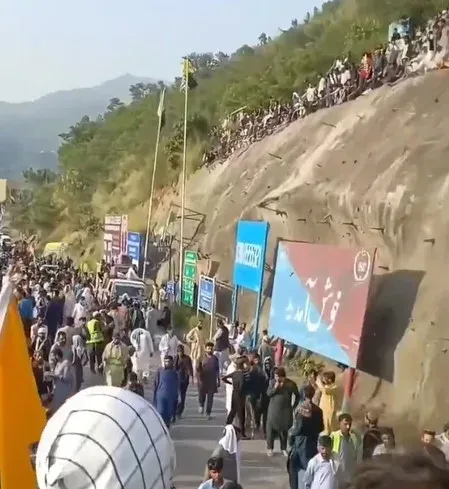
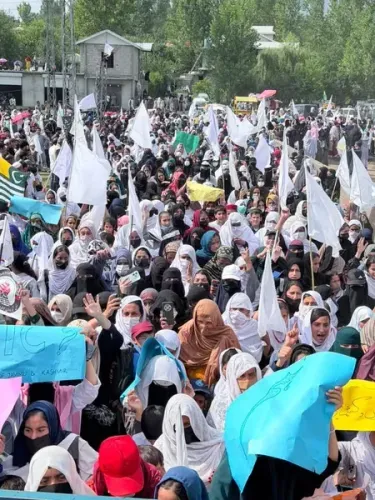
The clashes erupted days after Pakistani authorities in the occupied territory declared the Joint Awami Action Committee (JAAC) a proscribed organisation under anti-terrorism laws, ahead of a planned protest on Tuesday. Several reports indicate that dozens of people have been killed and hundreds injured in the confrontations between protesters and security personnel, though independent verification remains limited given restricted media access to the region.
The JAAC had been mobilising residents of PoK around demands for constitutional reform and greater autonomy — grievances that have simmered for years but intensified in recent months over economic marginalisation and governance concerns.
Sindhi Leader Appeals to India and Global Community
On Monday, Jeay Sindh Muttahida Mahaz (JSMM) chairman Shafi Burfat posted a sharp appeal on X, urging India and the international community to intervene. 'We strongly condemn the naked brutality, fascism, and cruelty inflicted by the Pakistani military and intelligence agencies against innocent civilians in Pakistan-occupied Kashmir. We not only denounce these crimes in the strongest possible terms but also call upon the United Nations, India, Europe, the United Kingdom, the Middle East, East Asia, Africa, Central Asia, and all civilized nations of the world, as well as international human rights organizations, to take immediate notice of the massacres, human rights violations, and state-sponsored brutality being committed by the Pakistani military in PoK,' Burfat wrote.
Burfat further alleged that the Pakistani military has descended into 'naked authoritarianism, fascism, and brutality,' and accused it of maintaining control over the people of PoK, Sindh, Balochistan, and other regions 'through deception, coercion, and the misuse of religion as a political instrument.' He specifically appealed to India, describing it as 'the world's largest democracy and our neighboring country,' to help protect what he called 'oppressed nations' from Pakistani state repression.
Wider Context and What's Next
This is not the first time PoK has witnessed large-scale unrest — the region saw significant protests in 2024 over subsidies and governance, with the JAAC at the centre of those demonstrations as well. The Pakistani state's decision to proscribe the committee under anti-terrorism laws this time around marks a notable escalation in its approach to managing dissent in the territory.
The HRCP has called for an impartial investigation into all deaths and injuries. With international attention now drawn to the situation, pressure on Islamabad to allow independent oversight is likely to grow, though Pakistan's track record on permitting external scrutiny in PoK remains limited.
Point of View
Generating more international scrutiny than the underlying grievances ever would have. The Burfat appeal to India is unlikely to produce direct diplomatic action, but it feeds a narrative that Pakistan's federal centre is losing the legitimacy argument in its own peripheries — a vulnerability it can ill afford given the concurrent pressures in Balochistan and Khyber Pakhtunkhwa.
NationPress
19 Sept 2026
Frequently Asked Questions
Why are there protests in Pakistan-occupied Kashmir right now?
Protests in PoK intensified after Pakistani authorities declared the Joint Awami Action Committee (JAAC) a proscribed organisation under anti-terrorism laws ahead of a planned demonstration on 9 June 2025. The JAAC had been mobilising residents around demands for constitutional reform and greater autonomy, grievances rooted in long-standing concerns over economic marginalisation and governance in the region.
What has the Human Rights Commission of Pakistan said about the PoK clashes?
The HRCP called for an immediate de-escalation of tensions and an impartial investigation into all deaths and injuries. In a statement on X, it warned that proscribing popular movements risks narrowing democratic space and urged that demands for constitutional change be pursued through peaceful and democratic processes rather than confrontation.
How many people have been killed or injured in the PoK unrest?
According to multiple reports, dozens of people have been killed and hundreds injured in clashes between protesters and security personnel. Independent verification remains difficult due to restricted media access to the region.
Who is Shafi Burfat and what did he say about PoK?
Shafi Burfat is the chairman of the Jeay Sindh Muttahida Mahaz (JSMM), a Sindhi political organisation. On Monday, he posted on X condemning what he described as Pakistani military brutality in PoK and appealed to India, the UN, and other international bodies to intervene and protect civilians from state repression.
What is the JAAC and why was it proscribed?
The Joint Awami Action Committee (JAAC) is a civil society coalition in PoK that has led protests over constitutional rights, subsidies, and governance. Pakistani authorities designated it a proscribed organisation under anti-terrorism laws ahead of its planned protest on 9 June, a move that critics say escalated rather than contained the unrest.