PoK unrest: Pakistan rights body slams media silence, 40+ dead
Synopsis
Pakistan's own Human Rights Council has broken ranks with the state, demanding transparent investigations into PoK violence that reportedly killed over 40 civilians — while Defence Minister Khawaja Asif compared protesters to 'enemies like India.' The rare domestic rebuke, combined with viral footage of forces firing on civilians, puts Islamabad under pressure it cannot easily deflect abroad.
Key Takeaways
Pakistan's Human Rights Council (HRC) on 29 July expressed grave concern over the humanitarian situation in Pakistan-occupied Kashmir (PoK) .
Reports claim over 40 civilians were killed and hundreds injured during a JAAC-led long march in PoK.
The HRC questioned Pakistani media's silence, stating 'silence breeds questions, while justice demands transparency.' Defence Minister Khawaja Asif reportedly compared PoK protesters to 'enemies like India' in a video circulating on X .
Videos from Mirpur and Rawalakot purportedly show Pakistani security forces firing on civilians.
The HRC called on authorities to halt force, ensure medical care, and conduct independent investigations.
Pakistan's Human Rights Council (HRC) on Wednesday, 29 July voiced grave concern over the deteriorating humanitarian situation in Pakistan-occupied Kashmir (PoK), sharply questioning the national media's silence on alleged abuses in the territory that have reportedly left over 40 civilians dead and dozens injured. The rights body's statement marks one of the most direct domestic challenges to Islamabad's handling of the ongoing unrest.
HRC's Key Demands
The Human Rights Council emphasised that protecting civilians' fundamental rights — including freedom of expression and the right to peaceful protest — is a 'state and constitutional responsibility.' It called for 'transparent, independent, and impartial investigations' into all incidents where human rights violations are alleged to have occurred.
Addressing Pakistani media directly, the HRC stressed that 'conveying facts to the public is the media's fundamental duty,' adding pointedly: 'Silence breeds questions, while justice demands transparency.' The body also called on authorities to halt the use of force, ensure immediate medical care for the injured, and protect civilian lives and property.
Videos Show Forces Firing on Civilians
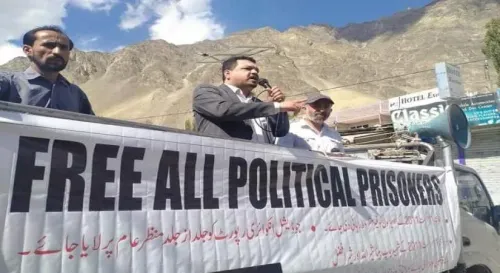
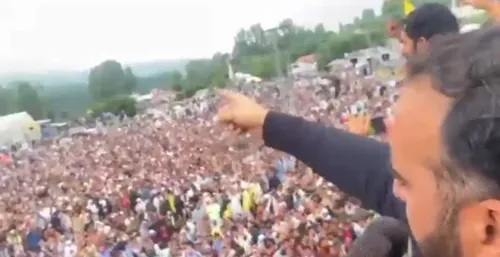
The rights body cited videos — which have circulated widely on social media — purportedly showing Pakistani security forces firing on civilians in Mirpur and Rawalakot. It described the situation in PoK as 'extremely alarming from a humanitarian perspective.' Footage shared on social media platform X, including by the Joint Awami Action Committee (JAAC), reportedly showed bodies on roads and scattered motorbikes following the crackdown.
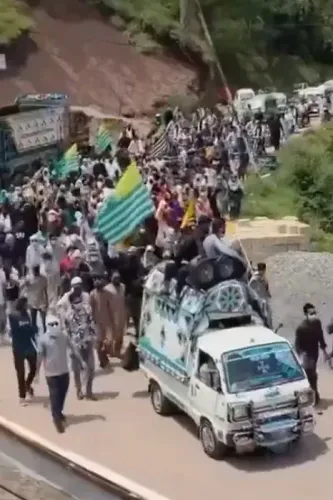
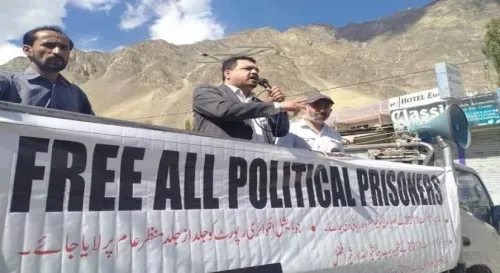
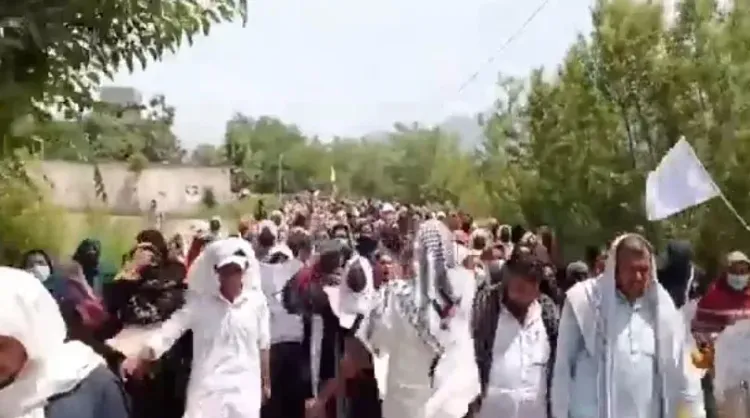
The unrest is linked to a long march organised by the JAAC, a civilian coalition that has been at the forefront of protests in PoK over economic grievances and governance concerns. Reports claim over 40 people were killed and hundreds critically injured during the march, though independent verification remains difficult given restricted media access to the region.
Defence Minister Compares Protesters to 'Enemies Like India'
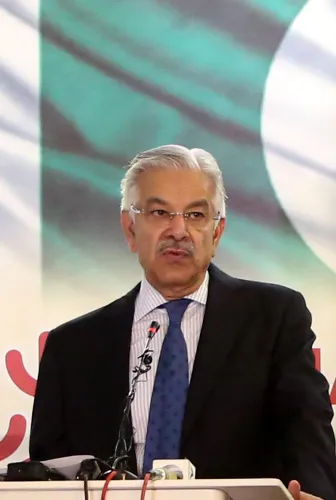
Pakistan's Defence Minister Khawaja Asif drew sharp criticism after defending the crackdown, reportedly equating the protesters with adversaries of the state. In a video that surfaced on X, Asif was quoted as saying: 'I put them (protesters) in the same category as India and consider them also as enemies like India.'
The remarks have intensified scrutiny of Islamabad's posture, with critics arguing that framing civilian demonstrators as national enemies effectively justifies the use of lethal force against them. Notably, this comes as the HRC — a domestic body — is itself calling for accountability, underscoring the depth of concern within Pakistan over the state's response.
Constitutional and International Law Context
The HRC underlined that under both Pakistan's Constitution and international human rights principles, peaceful protest, freedom of expression, and freedom of assembly are fundamental rights that 'must be respected in all circumstances.' The invocation of international human rights law alongside constitutional provisions signals that the body views the situation as potentially crossing established legal thresholds.
PoK has seen periodic unrest over decades, but the scale of the current violence — and the rare, public rebuke from a domestic rights institution — marks a significant escalation in internal scrutiny of Islamabad's governance of the territory. With media access tightly controlled, social media footage has become the primary window into events on the ground, raising further questions about accountability and independent oversight.
Point of View
Which historically has been used to justify disproportionate force. With independent media access to PoK effectively blocked, social media footage is doing the accountability work that institutions are failing to do. The deeper question mainstream coverage is not asking: if Pakistan's own constitutional body is demanding transparency, what does that say about the information environment surrounding PoK that the rest of the world is relying on?
NationPress
28 Oct 2026
Frequently Asked Questions
What is the current situation in Pakistan-occupied Kashmir (PoK)?
Reports indicate that over 40 civilians have been killed and hundreds injured following a crackdown on a long march organised by the Joint Awami Action Committee (JAAC) in PoK. Videos circulating on social media purportedly show Pakistani security forces firing on protesters in Mirpur and Rawalakot, though independent verification remains limited due to restricted media access.
What has Pakistan's Human Rights Council said about the PoK unrest?
The Human Rights Council (HRC) of Pakistan on 29 July expressed grave concern over the humanitarian situation in PoK, questioned the national media's silence, and called for transparent, independent, and impartial investigations into all alleged violations. It also urged authorities to stop using force and ensure immediate medical care for the injured.
What did Defence Minister Khawaja Asif say about the PoK protesters?
In a video that surfaced on social media platform X, Defence Minister Khawaja Asif reportedly said he places the protesters 'in the same category as India' and considers them 'enemies like India.' The remarks have drawn criticism from rights advocates who argue it frames civilian demonstrators as state adversaries.
Who is the Joint Awami Action Committee (JAAC) and why are they protesting?
The JAAC is a civilian coalition in PoK that has led protests primarily over economic grievances and governance concerns. It organised the long march that triggered the crackdown in which over 40 people were reportedly killed.
Why is Pakistani media's silence on PoK significant?
The HRC has directly called out Pakistani media for not reporting on the unrest, stating that conveying facts to the public is the media's fundamental duty. The silence is significant because it limits domestic accountability and means social media footage has become the primary source of information about events on the ground.