Gadkari chairs meet on 10-lakh tree drive in Nagpur

Synopsis
Union Minister Nitin Gadkari chaired a meeting at Suresh Bhat Sabhagruh in Nagpur on 17 July 2026 to plan a 10-lakh tree plantation drive. The campaign will be jointly executed by the NMC, Nagpur Improvement Trust, district administration, and Green Foundation, targeting schools, roadsides, lakes, and housing societies during the 2026 monsoon.
Key Takeaways
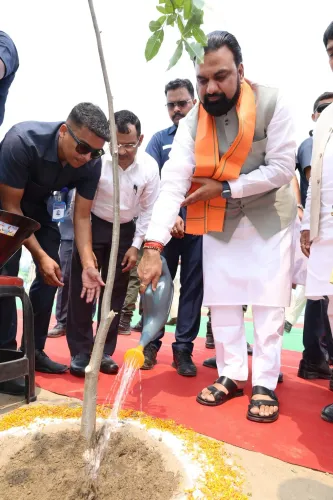
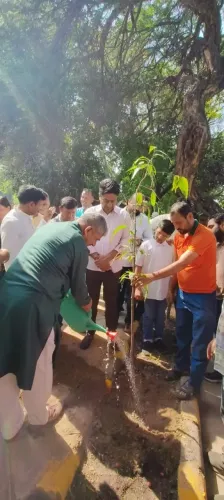
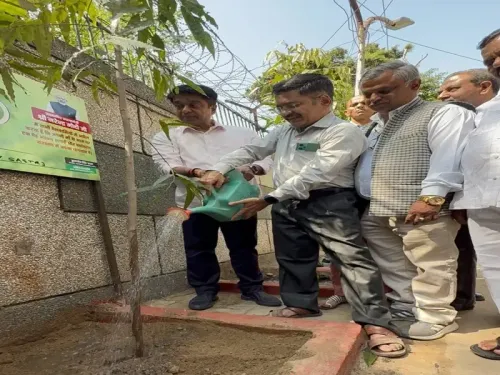
A meeting chaired by Union Minister Nitin Gadkari on 17 July 2026 at Suresh Bhat Sabhagruh, Nagpur planned a drive to plant 10 lakh trees in Nagpur city and district.
The campaign is a joint effort of the Nagpur Municipal Corporation , Nagpur Improvement Trust , district administration, district council, and Green Foundation .
Plantation sites will include school and college campuses, roadsides, lake banks, government offices, industrial areas, temples, cremation grounds, and housing societies.
Native species prioritised include banyan, peepal, neem, arjun, mango, jamun, amla, and bel , sourced from the Forest Department, private nurseries, and agricultural universities.
Civil-society partners — Rotary and Lions clubs, NCC, NSS, self-help groups, and religious trusts — will carry out plantation with ward-level awareness rallies.
Post-planting maintenance and watering arrangements were discussed as key to ensuring long-term tree survival.
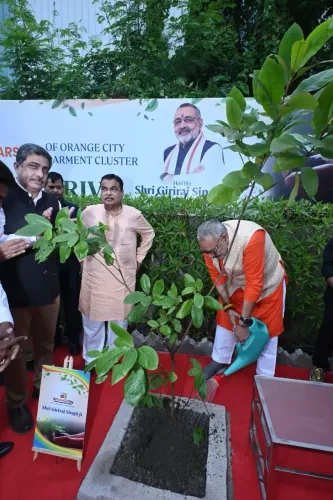
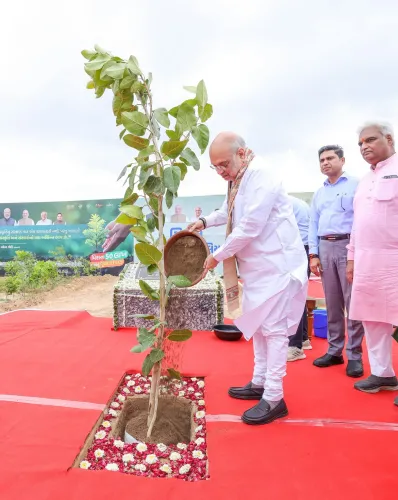
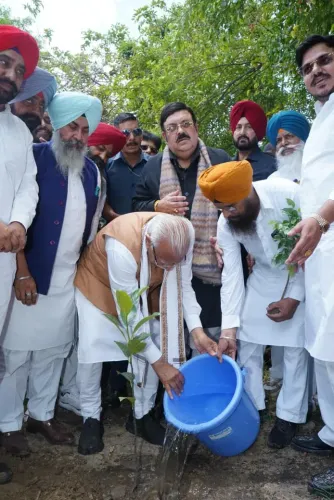
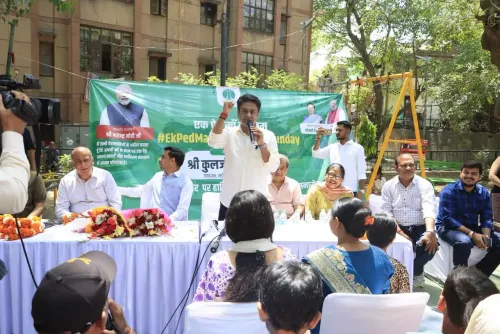
Union Road Transport and Highways Minister Nitin Gadkari chaired a stakeholder meeting at Suresh Bhat Sabhagruh in Nagpur on 17 July 2026 to plan a campaign to plant 10 lakh trees across Nagpur city and district. The initiative will be implemented jointly by the Nagpur Municipal Corporation (NMC), the Nagpur Improvement Trust, the district administration, the district council, and the Green Foundation.
Context
Gadkari, who represents Nagpur in the Lok Sabha, convened elected representatives, senior NMC officials, non-governmental organisations, and social workers for the meeting. The post, written in Marathi, states: 'नागपूर शहर आणि जिल्ह्यात १० लक्ष वृक्ष लागवड करण्यासंदर्भात आज सुरेश भट सभागृह येथे... बैठक घेतली' ('A meeting was held today at Suresh Bhat Sabhagruh regarding the plantation of 10 lakh trees in Nagpur city and district'). The campaign is targeted at the ongoing 2026 monsoon season, when soil conditions are most favourable for sapling survival.
The meeting deliberated on three core operational pillars: site selection across the city, sapling availability and sourcing, and the identification of participating organisations. These themes reflect a recurring challenge in large-scale urban plantation drives — ensuring that trees survive well beyond planting day.
Policy Backdrop
The Nagpur drive aligns with the National Mission for a Green India (GIM), launched in 2014, which aims to expand and improve forest and tree cover through participatory management. Urban afforestation has gained urgency as Indian cities grapple with rising heat-island effects and declining air quality. Nagpur, a divisional headquarters and one of Maharashtra's largest cities, has hosted multiple plantation campaigns in previous years, making this among the most ambitious in scale.
The meeting resolved to prioritise native and ecologically significant species, including banyan (vad), peepal (pimpal), neem (kadulimb), arjun, mango (amba), custard apple (sitafal), jamun, amla, and bel. These species are deep-rooted, drought-tolerant, and provide significant canopy cover — factors critical to long-term urban green-cover gains.
Stakeholders and Impact
Saplings will be sourced from the Forest Department, private nurseries, agricultural university nurseries, and the NMC's garden department. For plantation sites, the meeting identified school and college campuses, roadsides, lake banks, reservoirs, government offices, industrial areas, temple precincts, cremation grounds, sports grounds, housing societies, and individual homes in mauza malik (revenue village) areas.
Execution will draw on a wide civil-society network: Rotary Club, Lions Club, youth groups, women's self-help groups, NGOs, trusts of temples, gurudwaras, mosques and churches, NCC, NSS, Scout and Guide units, and industrial associations. Ward councillors will lead prabhat feris (dawn marches) and awareness rallies in each ward and settlement to mobilise public participation.
The meeting also addressed post-planting care — watering arrangements and long-term maintenance — which experts and past campaigns have flagged as the most critical factor determining actual green-cover gains from such drives.
What's Next
The immediate focus will be finalising site lists and coordinating sapling procurement before the peak monsoon window closes. Social media campaigns, posters, banners, and video messages will be deployed to sustain public momentum. The broader test for the initiative will come in the months after planting, when survival audits and maintenance protocols will determine whether Nagpur registers a lasting improvement in its urban tree cover.
Point of View
A visible environmental initiative in Nagpur ahead of any electoral cycle also carries political dividend, positioning the party as responsive to urban quality-of-life concerns. The real metric, however, will be the survival audit months after the monsoon, not the planting count itself.
NationPress
16 Oct 2026
Frequently Asked Questions
What is the Nagpur 10 lakh tree plantation drive?
It is a campaign to plant 10 lakh (one million) trees across Nagpur city and district, jointly organised by the Nagpur Municipal Corporation, Nagpur Improvement Trust, district administration, district council, and Green Foundation, with planning initiated at a meeting chaired by Union Minister Nitin Gadkari on 17 July 2026.
Where will trees be planted under this Nagpur drive?
Identified sites include school and college campuses, roadsides, lake banks, reservoirs, government offices, industrial areas, temple precincts, cremation grounds, sports grounds, housing societies, and individual homes in revenue village areas across Nagpur.
Which tree species will be planted in Nagpur's 10 lakh tree campaign?
The drive will focus on native species such as banyan, peepal, neem, arjun, mango, custard apple, jamun, amla, and bel — chosen for their ecological value, drought tolerance, and canopy coverage.
Who will supply saplings for the Nagpur tree plantation drive?
Saplings will be procured from the Forest Department, private nurseries, agricultural university nurseries, and the Nagpur Municipal Corporation's own garden department.
How will the Nagpur tree plantation drive involve citizens?
The campaign will engage Rotary Club, Lions Club, youth groups, women's self-help groups, NCC, NSS, Scout and Guide units, religious institution trusts, and industrial associations, with ward-level dawn marches and awareness rallies led by local councillors.