PoJK unrest: Residents demand food, rights — get crackdowns instead
Synopsis
Residents of Pakistan-occupied Jammu and Kashmir are dying in protests over food shortages and electricity bills — while Pakistan bans the very organisation leading their demands. The JAAC's crackdown exposes the hollowness of PoJK's 'autonomous' status: a constitution that mandates loyalty to Islamabad, seats reserved for outsiders, and no legal route to dissent.
Key Takeaways
At least 11 people were reportedly killed and over 70 injured during protests in Rawalakot, PoJK in June 2025 .
The Joint Awami Action Committee (JAAC) , formed in 2023 , was banned under anti-terror laws after leading protests over electricity tariffs, food shortages, and seat reservations.
12 of 53 Legislative Assembly seats in PoJK are reserved for 'refugees' based in Pakistan, critics say this gives Islamabad disproportionate political control.
PoJK's 'Interim Constitution' requires all candidates and officeholders to swear loyalty to Pakistan; advocates of independence or union with India are legally barred from contesting.
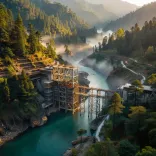
Economic grievances — particularly over electricity pricing despite local hydropower generation — have intensified since 2015 , with protests escalating sharply over the last three years.
The simmering unrest in Pakistan-occupied Jammu and Kashmir (PoJK) is not a recent phenomenon but the product of decades of political marginalisation, economic neglect, and systematic reprisal by authorities in Islamabad and Rawalpindi. Fresh protests and reported fatalities have once again drawn attention to a region that Pakistan officially describes as 'free' but which critics and residents say is anything but.
Recent Violence and Deaths
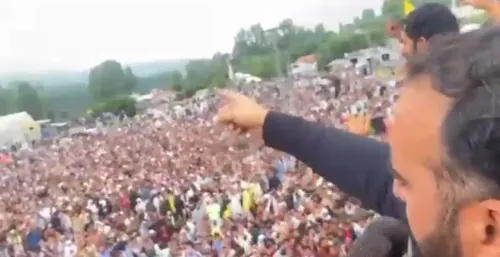
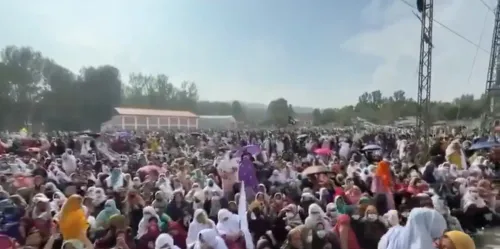
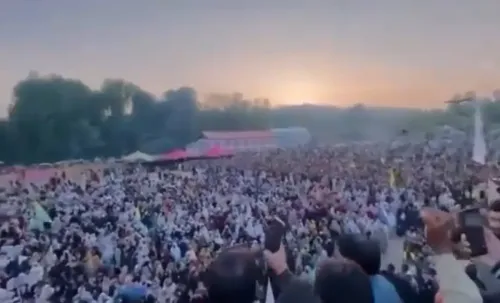
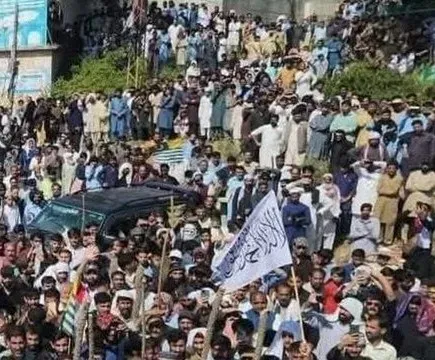
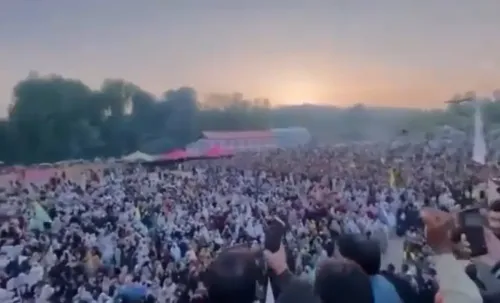
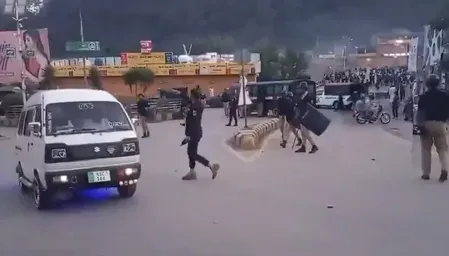
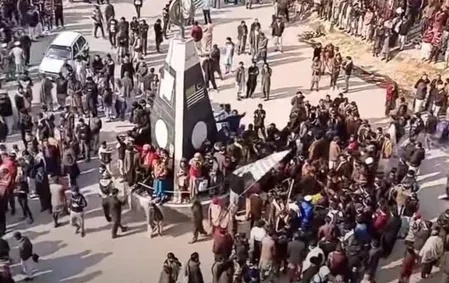
In June 2025, at least 11 people were reportedly killed during agitations in Rawalakot, with more than 70 said to have been injured, according to reports. The protests escalated sharply after the Joint Awami Action Committee (JAAC) — the primary organising body behind the demonstrations — was banned under anti-terror laws. The crackdown drew widespread condemnation from local residents and rights observers.
'We don't want charity; we want justice. This land produces electricity, but our homes remain dark,' a protestor was quoted as saying amid the recent wave of demonstrations.
Who Is the JAAC and What Are Its Demands
The JAAC, formed in 2023, has been at the forefront of protests centred on three core grievances: exorbitant electricity tariffs despite PoJK's own hydropower generation capacity, chronic wheat flour shortages compounded by inflation, and the reservation of 12 out of 53 Legislative Assembly seats for 'refugees' from Jammu and Kashmir who migrated to Pakistan in 1947 and later. Critics argue that these reserved seats are effectively filled by Pakistan-based voters — many of whom are alleged to have ties to security agencies — giving Islamabad disproportionate influence over local governance.
The Architecture of Control
Although PoJK nominally possesses its own Prime Minister, President, Legislative Assembly, Constitution, and flag, its 'Interim Constitution' explicitly mandates allegiance to Pakistan. All candidates, legislators, and officeholders must sign an oath affirming loyalty to Pakistan and support for accession. Any party or individual advocating independence or union with India is legally disqualified from contesting elections.
The PoJK Council — chaired by the Prime Minister of Pakistan and dominated by Pakistani officials — has historically exercised veto powers over legislation. Though the 2018 reforms reduced some of these powers, Islamabad continues to control the region's foreign affairs, defence, and currency. Analysts note this structure renders meaningful self-governance structurally impossible.
Decades of Economic Grievance
Economic frustrations in PoJK have deepened steadily, particularly since 2015, with residents citing electricity pricing, food shortages, and a near-total absence of infrastructure development as recurring flashpoints. Islamabad has periodically offered subsidies and compensation under what observers describe as a 'carrot-and-stick' approach, but residents and activists argue that core structural issues remain unaddressed. Protests have intensified over the past three years, suggesting the palliative measures have lost their effect.
Pakistan has occupied parts of Jammu and Kashmir since the first India-Pakistan war. Limited autonomy was granted to the region between 1970 and 1980, but Islamabad retained ultimate veto powers throughout. The current unrest reflects what many residents describe as the failure of that arrangement to deliver basic dignity or economic security.
What Comes Next
With the JAAC banned and protest leaders facing legal pressure, the immediate outlook for organised dissent appears constrained. However, analysts caution that suppressing the movement without addressing its underlying causes — food security, equitable electricity pricing, and genuine political representation — risks driving grievances further underground. The international community has so far largely remained silent on the situation in PoJK, even as the reported death toll from recent protests continues to attract scrutiny.
Point of View
Not merely practically difficult. The 12 refugee seats are not an administrative quirk; they are a mechanism of control. What is unfolding in Rawalakot is not a law-and-order problem — it is the predictable consequence of a political architecture designed to suppress rather than represent. Islamabad's carrot-and-stick subsidies have run out of road.
NationPress
5 Oct 2026
Frequently Asked Questions
What triggered the latest protests in PoJK?
The immediate trigger was the banning of the Joint Awami Action Committee (JAAC) under anti-terror laws, which escalated already simmering protests. Underlying causes include high electricity tariffs despite local hydropower generation, wheat flour shortages, inflation, and the reservation of 12 Legislative Assembly seats for Pakistan-based 'refugees' that residents say dilutes local political representation.
How many people died in the Rawalakot protests?
At least 11 people were reportedly killed during agitations in Rawalakot in June 2025, with more than 70 others said to have been injured, according to reports. The deaths occurred amid demonstrations organised by the JAAC before it was banned.
Is Pakistan-occupied Jammu and Kashmir truly autonomous?
Formally, PoJK has its own Prime Minister, President, Legislative Assembly, Constitution, and flag, but its 'Interim Constitution' mandates loyalty to Pakistan for all officeholders and bars candidates who advocate independence or union with India. The PoJK Council, chaired by Pakistan's Prime Minister, retains control over foreign affairs, defence, and currency, making genuine autonomy largely nominal.
What is the JAAC and why was it banned?
The Joint Awami Action Committee (JAAC), formed in 2023, spearheaded protests in PoJK over electricity tariffs, food shortages, and political disenfranchisement. Pakistani authorities banned it under anti-terror laws following the escalation of protests in June 2025, a move critics say is aimed at suppressing legitimate dissent rather than addressing underlying grievances.
How long has PoJK been under Pakistani control?
Pakistan has occupied parts of Jammu and Kashmir since the first India-Pakistan war. Limited autonomy was granted between 1970 and 1980, but Islamabad retained veto powers. Economic grievances have deepened particularly since 2015, with protest activity intensifying markedly over the past three years.