PoJK crackdown: Pakistan treats Kashmiris as enemies, not citizens
Synopsis
Pakistan's Defence Minister called PoJK protesters 'enemies' on par with India — even as security forces reportedly fired on peaceful demonstrators, killing over 100. A new report argues this is not a lapse but the structural logic of a state that has always treated Kashmiris as instruments of its foreign policy, not as citizens with rights.
Key Takeaways
Protests in Pakistan-occupied Jammu and Kashmir (PoJK) began on 5 June , led by the Jammu Kashmir Joint Awami Action Committee (JAAC) .
Demonstrators demanded an end to non-resident legislative quotas, lower electricity tariffs, and basic economic relief.
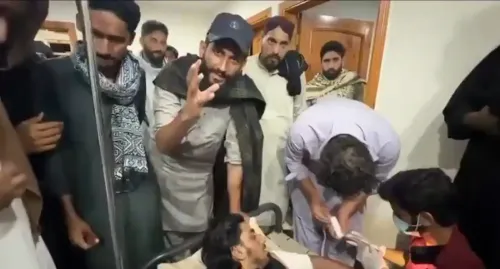
According to activists and local media, the death toll from the ongoing violence has crossed 100 .
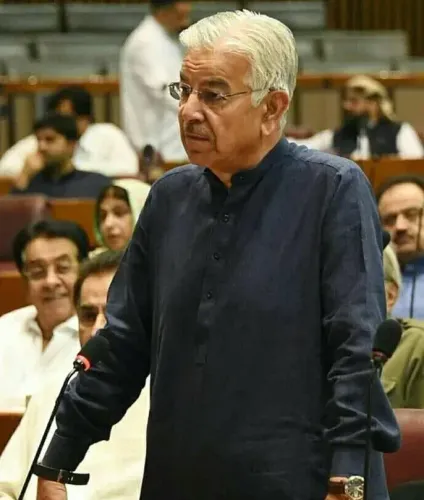
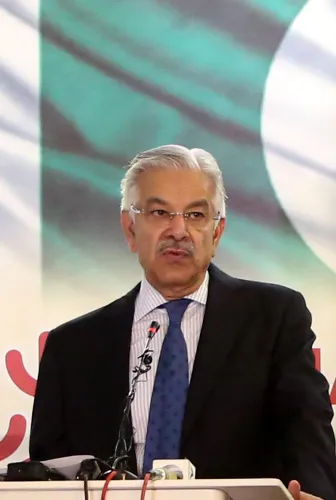
Pakistani Defence Minister Khawaja Asif reportedly described PoJK protesters as 'enemies', placing them in the same category as India.
A Stringer Asia report argues Pakistan's repression is not an aberration but the structural outcome of treating Kashmiris as political instruments rather than citizens.
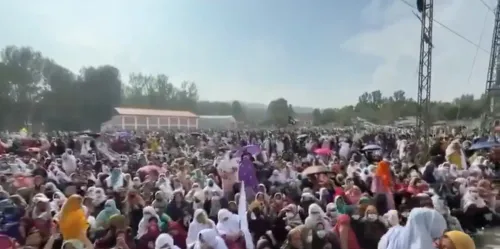
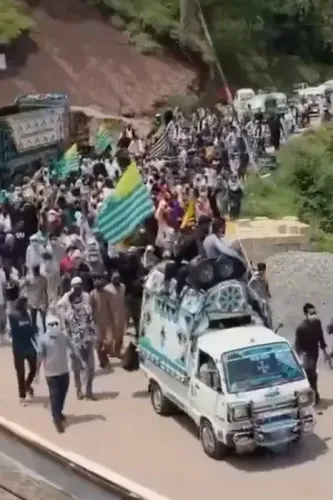
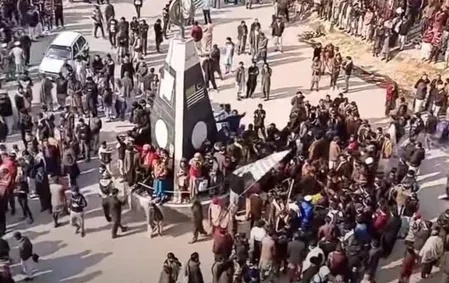
Videos from Kotli , Rawalakot , and Mirpur purportedly showed security forces firing on peaceful rallies, including one attended largely by women.
Pakistan's ongoing crackdown on protesters in Pakistan-occupied Jammu and Kashmir (PoJK) has drawn sharp condemnation, with a detailed report arguing that Islamabad treats Kashmiris as political instruments rather than rights-bearing citizens. The repression, which reportedly began after demonstrations erupted on 5 June, has according to activists and local media claims left more than 100 people dead.
How the Protests Began
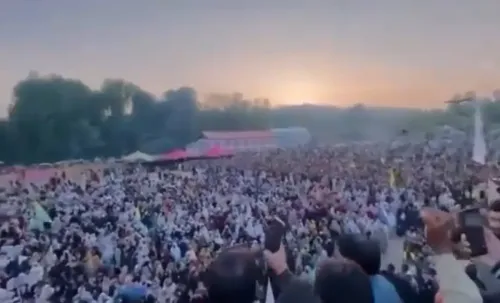
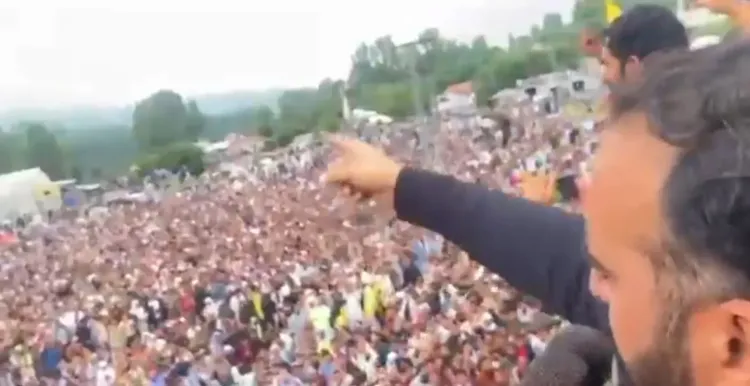
The demonstrations were led by the Jammu Kashmir Joint Awami Action Committee (JAAC), which mobilised residents across PoJK around three core demands: an end to reserved legislative seats for non-resident 'refugees', a reduction in electricity tariffs, and broader economic relief. The protests drew large crowds in towns including Rawalakot, Mirpur, and Kotli.
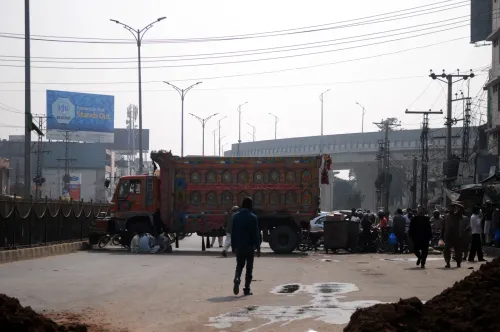
In response, according to a report published by Stringer Asia, Pakistani security forces opened fire on demonstrators, imposed communication blackouts, and carried out what the report describes as mass repression across the territory.
What Pakistani Officials Said
The report highlights a statement by Pakistani Defence Minister Khawaja Asif that critics say lays bare Islamabad's posture. Asif reportedly declared: 'I put the protesters of PoJK in the same category as India and consider them as enemies.' The Stringer Asia report characterised this as 'occupation logic turned inward', arguing that the remark makes explicit that loyalty to the Pakistani state — not the protection of Kashmiri rights — is the operative condition for existence in PoJK.
Notably, Pakistan has for decades positioned itself internationally as the primary advocate of Kashmiri self-determination. Critics argue the response to the PoJK protests exposes a fundamental contradiction in that posture.
Ground Reality in PoJK
According to the Stringer Asia report, Pakistan's control over PoJK rests on a carefully managed narrative of autonomy, while real decision-making authority over security, foreign policy, and economic matters lies entirely with Islamabad and the Pakistani military. Institutions in PoJK, the report states, function as administrative extensions of the federal government rather than as genuinely representative bodies.
Several videos circulated on social media, including on handles associated with the JAAC, purportedly showed security forces using force against protesters. On one occasion, footage reportedly showed women demonstrators in Kotli fleeing as police opened fire on a peaceful rally. One woman protester was quoted as saying: 'We have come out to support our brothers. We want to tell them we are with them. We are ready to take a stand with them. Those who are firing at us, I want to tell you, we are not scared of anything.'
The Broader Pattern
The report frames the crackdown not as an isolated law-and-order failure but as the logical outcome of a political project that has consistently subordinated Kashmiri interests to Pakistani state priorities. This is not the first time PoJK has seen civil unrest over economic grievances — earlier rounds of protests over wheat subsidies and power tariffs in 2023 also drew a heavy-handed response from authorities.
As pressure mounts from activists and diaspora groups, the international community's response to the situation in PoJK will be closely watched in the weeks ahead.
Point of View
Islamabad has leveraged the Kashmir cause as a foreign-policy instrument — but the moment Kashmiris under its own control demanded economic rights, the mask slipped, with a cabinet minister openly labelling them enemies. The death toll, if verified at over 100, would make this one of the most lethal crackdowns on civilian protesters in the region's recent history, yet it has received a fraction of the international scrutiny that comparable events elsewhere attract. The structural question — whether PoJK institutions have any genuine autonomy from Islamabad and the military — has now been answered, not by analysts, but by Pakistan's own defence minister.
NationPress
15 Sept 2026
Frequently Asked Questions
Why are people protesting in Pakistan-occupied Jammu and Kashmir (PoJK)?
Protests in PoJK began on 5 June, led by the Jammu Kashmir Joint Awami Action Committee (JAAC), over three key demands: removal of reserved legislative seats for non-resident 'refugees', a reduction in electricity tariffs, and broader economic relief for residents. The region generates significant hydropower but protesters say they pay disproportionately high electricity rates.
How many people have died in the PoJK crackdown?
According to activists and local media reports, the death toll from the ongoing violence in PoJK has crossed 100. These figures have not been independently verified, and Pakistani authorities have not confirmed this count.
What did Pakistani Defence Minister Khawaja Asif say about the protesters?
Khawaja Asif reportedly stated: 'I put the protesters of PoJK in the same category as India and consider them as enemies.' Critics say the remark reveals that Islamabad views loyalty to the Pakistani state — not Kashmiri rights — as the fundamental condition for political existence in PoJK.
How does Pakistan's crackdown contradict its stated position on Kashmir?
Pakistan has long presented itself internationally as the champion of Kashmiri self-determination. However, using lethal force against PoJK residents demanding basic economic rights and political representation directly contradicts that position, according to the Stringer Asia report and independent analysts.
Who is the Jammu Kashmir Joint Awami Action Committee (JAAC)?
The JAAC is a civil society coalition in PoJK that has led mass mobilisations around economic and political grievances. It organised the current wave of protests beginning 5 June and has shared footage of the crackdown on its social media channels.