PoK's Rawalakot under 100-day siege: Kashmiri spirit holds firm
Synopsis
For over 100 days, Rawalakot in Pakistan-occupied Kashmir has been sealed off from food, medicine, and the internet — and up to 90 civilians have reportedly been killed since protests erupted in June. Pakistan's own Defence Minister compared the demonstrators to India, calling them enemies. Yet the sit-ins continue. This is a story Islamabad is trying to keep invisible.
Key Takeaways
Rawalakot in Pakistan-occupied Kashmir (PoK) has been under siege for over 100 days , cut off from food, medicine, and communication.
Protests began on 7 June when the Joint Awami Action Committee (JAAC) demonstrated against 12 refugee seat reservations in PoK's Legislative Assembly and demanded subsidised essentials.
Pakistani authorities banned the JAAC under anti-terrorism laws before the protests and deployed security forces; up to 90 civilians were reportedly killed by late July.
At least 24 unarmed protesters were killed in a single 48-hour period across Mirpur and Rawalakot , including a shopkeeper and a 17-year-old .
Pakistan's Defence Minister Khawaja Asif publicly compared protesters to India, calling them 'enemies like India' in a widely circulated video.
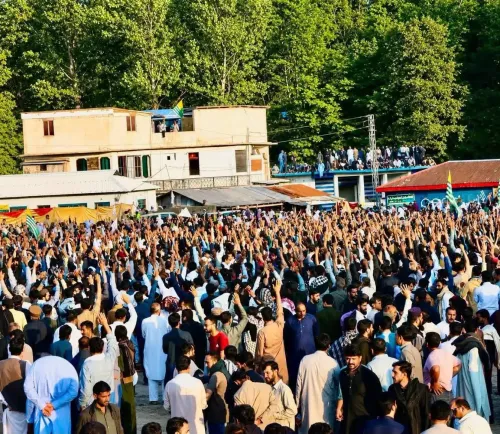
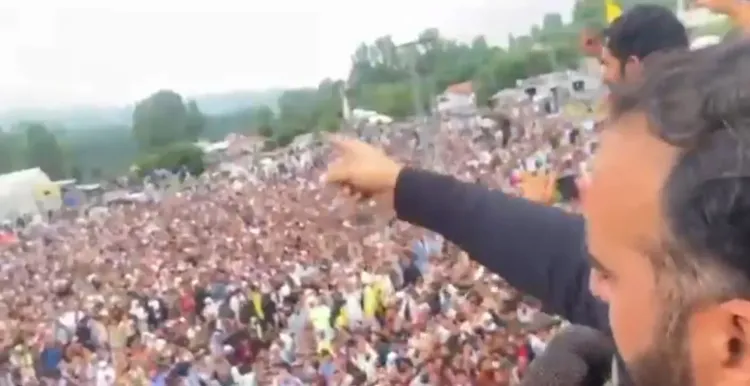
Despite a near-total internet blackout and road blockades, sit-ins and long marches in Rawalakot have reportedly continued.
Pakistan-occupied Kashmir's (PoK) town of Rawalakot has been under what observers describe as an iron siege for over 100 days, with residents cut off from food, medicine, and communication. Despite the sustained blockade and reported killings of civilians, the people of Rawalakot have continued to resist, according to a detailed report citing an opinion piece published in Kashmir Times.
The Siege and What Triggered It
The crisis began on 7 June, when the Joint Awami Action Committee (JAAC) launched protests against the reservation of 12 refugee seats in PoK's Legislative Assembly. The JAAC also demanded affordable electricity and subsidised flour for residents of a region that reportedly produces cheap hydropower while its own people endure power shortages.
Two days before the protests commenced, Pakistani authorities reportedly banned the JAAC under anti-terrorism laws. When demonstrators took to the streets regardless, Pakistani security forces were deployed with what the report characterises as orders amounting to a licence to kill. According to the report, as many as 90 civilians were killed in PoK by late July.
Civilian Deaths and State Force
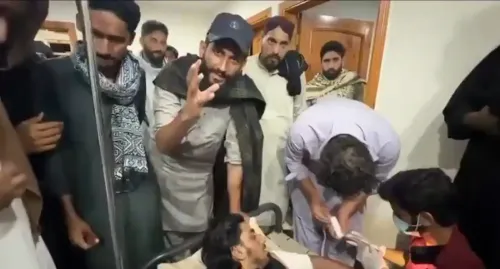
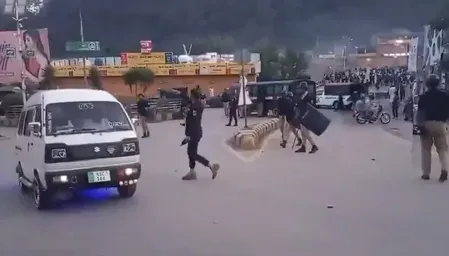
In a single 48-hour period, at least 24 unarmed protesters were killed across Mirpur and Rawalakot. Security personnel reportedly fired tear gas and then live rounds to stop a procession of hundreds of thousands marching toward Muzaffarabad. Among those killed, according to the report, was a shopkeeper who was handing out water to protesters and a 17-year-old who was shot while shielding his sister. The report describes all of them as 'victims of state-sponsored murder.'
Writing in Kashmir Times, commentator Murtaza Shibli stated: 'For one hundred days, Rawalakot has lived under an iron siege. And that's not a metaphor, but literal encirclement by one of the world's most militarised states. A town of teachers, farmers, students, shopkeepers has been cut off from food, medicine, communication, life's basic rhythms. Yet through bullets, starvation, and terror, Rawalakot stands. The Kashmiri spirit refuses to kneel.'
Blackout, Blockade, and Collective Punishment
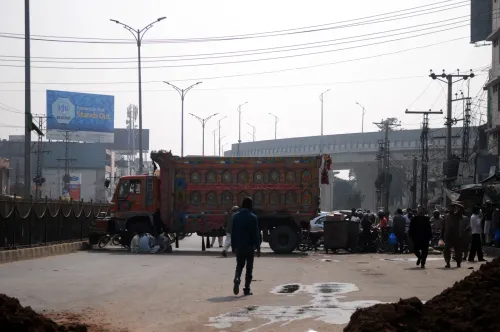
Pakistani authorities reportedly imposed a complete internet blackout across PoK from the outset of the unrest, which was only partially restored in recent days. Roads have been blocked, movement restricted, and food and medicine allegedly prevented from entering Rawalakot. The JAAC has characterised the blockade as 'collective punishment.'
The opinion piece in Kashmir Times stated: 'The Pakistan state is laying siege with a deliberate attempt to starve and terrorise a population into submission. This regime has killed nearly hundred civilians, injured hundreds more, and imposed a blockade denying food and medicine to hundreds of thousands. Yet the protests continue. Sit-ins at Rawalakot's main entry points remain. Long marches keep forming. The people have not broken.'
Pakistan's Defence Minister Equates Protesters with India
In July, Pakistan's Defence Minister Khawaja Asif publicly defended the crackdown on peaceful protesters in PoK. In a video that circulated widely, Asif said: 'I put them (protesters) in the same category as India and consider them also as enemies like India.' The statement drew sharp attention, with critics arguing it revealed the Pakistani state's posture toward its own citizens in the region.
Resistance Continues
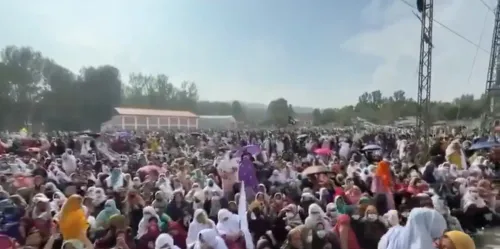
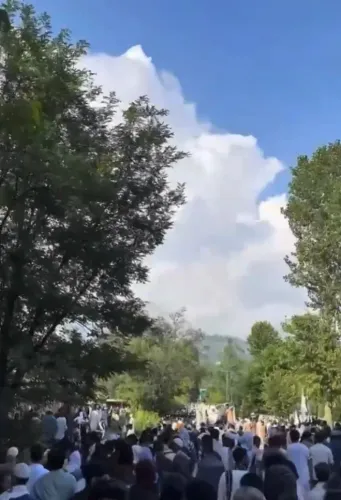
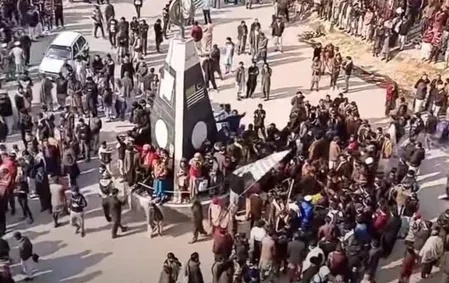
Despite the reported scale of the crackdown, sit-ins at Rawalakot's main entry points have reportedly continued, and long marches have kept forming. This comes amid what the Kashmir Times piece describes as a sustained Pakistani effort to suppress the story through blackouts, fear, and force — an effort that, according to the report, has so far failed to break the population's resolve. How long the standoff lasts, and whether international attention forces any change in Islamabad's approach, remains to be seen.
Point of View
Affordable electricity, fair representation — are not separatist; they are civic. Yet Islamabad's response has been to invoke anti-terrorism law, impose a blackout, and, by the Defence Minister's own words, treat protesters as equivalent to a foreign enemy. What is equally striking is the near-silence from Western capitals that routinely invoke human rights in other contexts. The information blockade has succeeded in keeping this crisis off global front pages, which is itself a story about how selective international attention shapes which populations receive solidarity.
NationPress
16 Sept 2026
Frequently Asked Questions
Why is Rawalakot in Pakistan-occupied Kashmir under siege?
Rawalakot has been under siege for over 100 days following protests by the Joint Awami Action Committee (JAAC) that began on 7 June, demanding an end to 12 refugee seat reservations in PoK's Legislative Assembly and calling for subsidised food and affordable electricity. Pakistani authorities banned the JAAC under anti-terrorism laws and deployed security forces, leading to a prolonged blockade of the town.
How many civilians have reportedly been killed in the PoK crackdown?
According to reports, as many as 90 civilians were killed in PoK by late July. In a single 48-hour period, at least 24 unarmed protesters were killed across Mirpur and Rawalakot, including a shopkeeper distributing water and a 17-year-old shielding his sister.
What did Pakistan's Defence Minister Khawaja Asif say about the protesters?
Pakistan's Defence Minister Khawaja Asif publicly defended the crackdown in July, stating in a widely circulated video: 'I put them (protesters) in the same category as India and consider them also as enemies like India.' The remarks drew significant attention and criticism.
What is the JAAC and what are its demands?
The Joint Awami Action Committee (JAAC) is a civil society group in Pakistan-occupied Kashmir that organised protests demanding fair representation for local residents, subsidised flour, affordable electricity, and an end to what it describes as the exploitation of PoK's hydropower resources. Pakistani authorities banned the group under anti-terrorism laws before the protests began.
Is there still an internet blackout in PoK?
Pakistani authorities imposed a complete internet blackout across PoK when the unrest began, which has been only partially restored in recent days, according to reports. Roads remain blocked and movement restricted, with food and medicine allegedly prevented from reaching Rawalakot.