PoK internet blackout crosses 100 days, crippling banking, education and daily life
Synopsis
More than 100 days after Pakistan shut down the internet in PoK following JKJAAC-led protests, the blackout continues — outlasting elections, defying human rights calls, and leaving residents cut off from banking, education, and basic information. The Human Rights Commission of Pakistan itself has flagged coercive state overreach and unverified civilian casualties.
Key Takeaways
Pakistan-occupied Kashmir (PoK) has been under an internet blackout for more than 100 days , since 5 June 2026 .
The shutdown followed protests by the Jammu Kashmir Joint Awami Action Committee (JKJAAC) over electricity prices and governance failures.
Online banking, commercial activity, and student entrance examinations have all been severely disrupted.
The Human Rights Commission of Pakistan (HRCP) flagged disproportionate use of force, arrests of journalists, and restricted access to Rawalakot and other areas.
Internet services remain suspended even after the conclusion of the electoral process in PoK .
Human rights groups are calling for communications restoration, independent access, investigation of force allegations, and political dialogue.
Residents of Pakistan-occupied Kashmir (PoK) have endured an internet blackout for more than 100 days, with mobile data and broadband services suspended or severely restricted since 5 June 2026, according to a detailed report by Greece-based outlet Geopolitico. The prolonged communications shutdown has crippled online banking, disrupted commercial activity, and forced the postponement of entrance examinations for students across the territory.
How the Shutdown Began
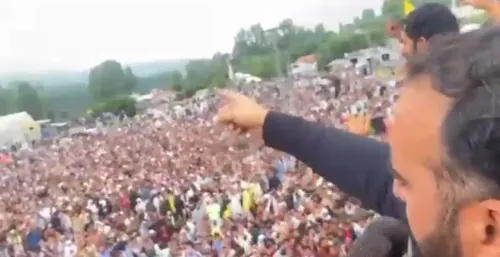
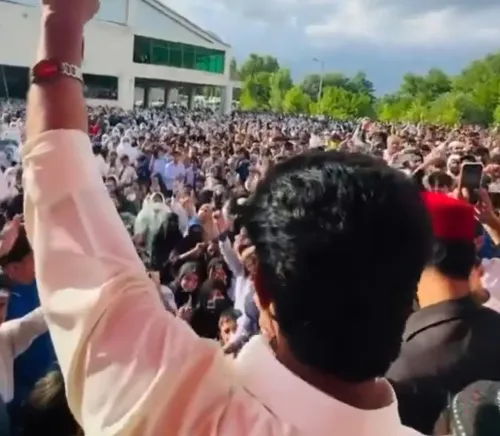
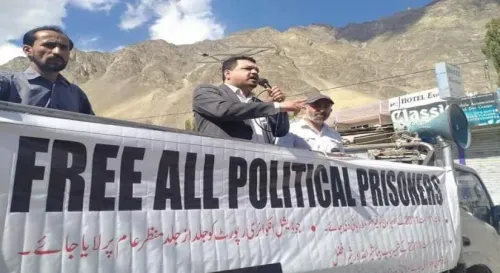
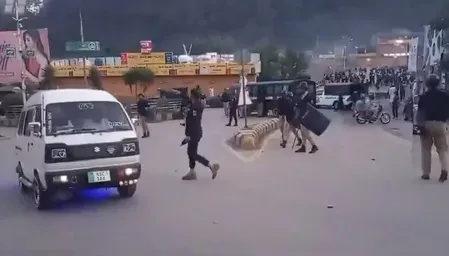
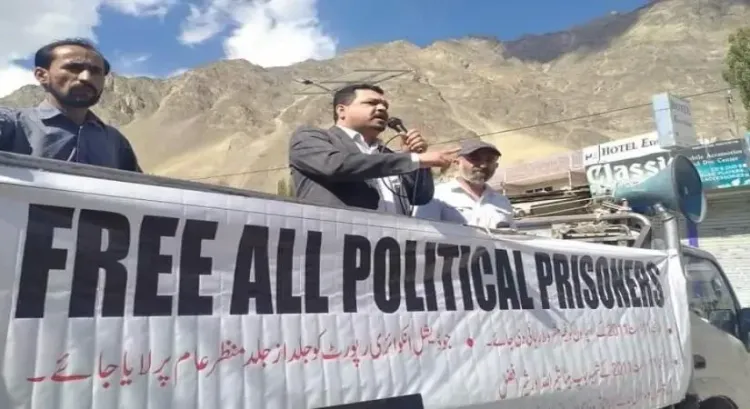
The internet disruption followed the eruption of protests led by the Jammu Kashmir Joint Awami Action Committee (JKJAAC), which initially mobilised residents over rising electricity tariffs and the cost of essential commodities. The movement rapidly broadened into a demand for political reforms, greater accountability, and representative governance. Analysts have described the confrontation as the most extensive clash between the local population and the Pakistani state in decades, involving deadly violence and allegations of police brutality — with numerous videos circulated on social media by the JKJAAC and others documenting what they describe as the conduct of Pakistani forces.
Internet Remains Cut Off Even After Elections
Voting for elections held in PoK was disrupted or did not take place in protest strongholds, reportedly on security grounds. A government was subsequently constituted in PoK based on results from constituencies where polling did proceed. However, internet services have not been restored even after the electoral process concluded, underscoring that the blackout has outlasted its stated emergency justification, the Geopolitico report noted.
'What began as an emergency measure amid protests and electoral tensions has continued into a fourth month, affecting everyday life far beyond the political confrontation itself. Human rights organisations are calling for communications to be restored, independent journalists to be allowed access, allegations of excessive force to be investigated and political grievances to be addressed through dialogue rather than coercive measures,' the report stated.
Human Rights Commission of Pakistan Raises Alarm
The Human Rights Commission of Pakistan (HRCP) stated last month that the unrest in PoK stemmed from longstanding political and socioeconomic grievances, institutional distrust, governance deficits, and an increasingly confrontational state response, including disproportionate use of force. In its fact-finding report titled 'Civic Spaces under Strain', the HRCP noted: 'The resort to coercive measures in place of sustained dialogue appears to have deepened polarisation and eroded public trust.'
The commission said the unrest had implications across multiple rights, including the right to life, liberty, and security of person; freedom of expression, peaceful assembly and association; freedom of movement; access to information; and participation in public affairs.
Civilian Casualties and Restricted Journalism
The HRCP reported receiving multiple accounts alleging that protesters had been killed or seriously injured by security forces, but said it could not independently verify the full scale or circumstances — particularly in Rawalakot, which remained inaccessible to investigators. While authorities provided figures on security personnel casualties, no official information on civilian deaths or injuries was shared with the mission.
Restrictions on journalism have further constrained independent reporting, with arrests of journalists, denial of access to affected areas, and special security requirements compounding the effect of the communications shutdown. The Geopolitico report cautioned that 'the full human cost of the unrest is still difficult to independently establish' as a consequence.
What Comes Next
Human rights groups and observers are pressing Pakistani authorities to restore communications, permit independent access, investigate allegations of excessive force, and pursue political dialogue. As of 22 September 2026, large parts of Pakistan-administered Kashmir remain cut off from normal digital communications, with no official timeline for restoration announced.
Point of View
The elections, and every stated justification. What makes this particularly striking is that it is the HRCP, Pakistan's own human rights body, that has documented the coercive state response and flagged unverified civilian casualties. The continued blackout, combined with restricted journalism and inaccessible regions like Rawalakot, points to a calculated information vacuum — one that makes independent accountability nearly impossible. The underlying grievances around electricity prices and governance have not been addressed; they have simply been suppressed.
NationPress
22 Sept 2026
Frequently Asked Questions
Why is there an internet shutdown in PoK?
The internet shutdown in Pakistan-occupied Kashmir began on 5 June 2026 after protests led by the Jammu Kashmir Joint Awami Action Committee (JKJAAC) over rising electricity prices and the cost of essential commodities escalated into a broader political movement. Pakistani authorities suspended mobile data and broadband services as an emergency measure amid the unrest, but the blackout has now continued for more than 100 days.
How has the internet blackout in PoK affected residents?
The shutdown has disrupted online banking, commercial transactions, and student entrance examinations across PoK, according to a report by Greece-based outlet Geopolitico. Human rights groups note it has also restricted access to information, freedom of expression, and participation in public affairs.
What did the Human Rights Commission of Pakistan say about the PoK situation?
The Human Rights Commission of Pakistan (HRCP), in its fact-finding report 'Civic Spaces under Strain', concluded that the unrest stemmed from longstanding political and socioeconomic grievances and was met with a disproportionate state response. It said the resort to coercive measures instead of sustained dialogue deepened polarisation and eroded public trust, and raised concerns about allegations of lethal force against protesters.
Were there civilian casualties during the PoK protests?
The HRCP received multiple accounts alleging that protesters were killed or seriously injured by security forces, but said it could not independently verify the full scale or circumstances, particularly in Rawalakot, which remained inaccessible to investigators. Authorities provided figures on security personnel casualties but did not share information on civilian deaths or injuries.
Has the internet been restored in PoK after the elections?
No. Internet services remain suspended in PoK even after the conclusion of the electoral process in the territory, according to the Geopolitico report. As of 22 September 2026, no official timeline for restoration has been announced.