Pakistan enforces prolonged internet blackout in PoK amid protest crackdown
Synopsis
Pakistan has kept Pakistan-occupied Kashmir under an internet blackout for nearly four months, suppressing mass protests over electoral manipulation, basic rights, and high living costs. With over 80 reportedly killed, the HRCP calling out disproportionate force, and civic freedoms systematically curtailed, Islamabad's response to its own occupied territory is drawing sharp international scrutiny.
Key Takeaways
Mobile data and broadband services in PoK have been suspended since 5 June 2026 , confirmed by internet monitor NetBlocks .
Protests were led by JKJAAC , demanding abolition of 12 refugee seats in PoK's 45-seat legislative assembly.
Pakistan declared JKJAAC a terrorist organisation before the protests peaked; leaders were arrested.
Local reports claim more than 80 people were killed near Rawalakot and Kotli ; hundreds injured or detained.
The Human Rights Commission of Pakistan (HRCP) released a fact-finding report criticising the 'disproportionate use of force' and warning of deepened polarisation.
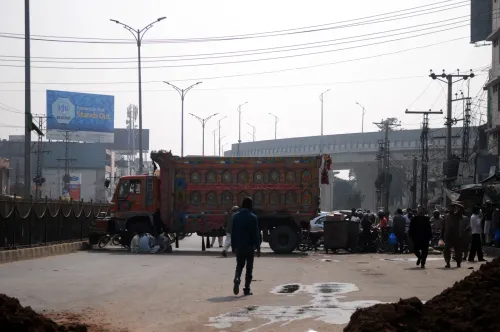
The blackout has disrupted business, online banking, healthcare access, and entrance exams for students.
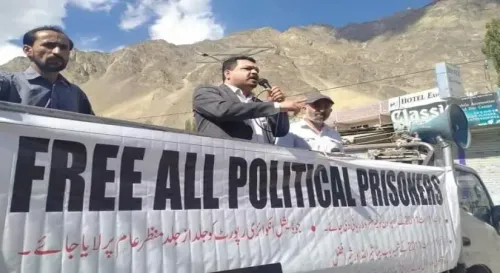
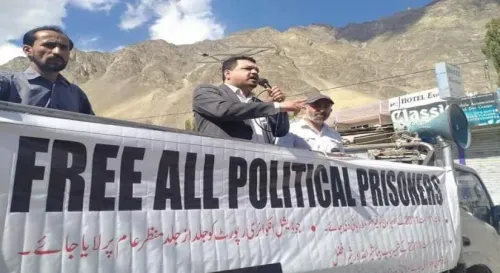
Pakistan-occupied Kashmir (PoK) has remained under a partial internet blackout since 5 June, as Islamabad continues to suppress protests over lack of basic rights, administrative oppression, and high living costs, according to reports citing independent internet monitor NetBlocks. The sustained disruption, now stretching into its fourth month, has crippled business activity, paralysed online banking, and disrupted the academic year for students across the region.
How the Shutdown Began
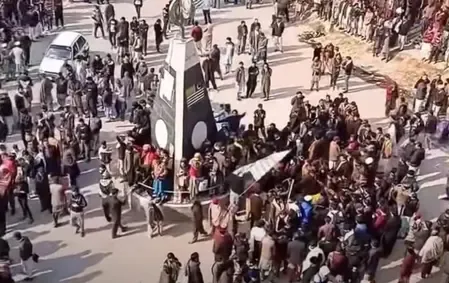
The crackdown was triggered by protests led by the grassroots umbrella group Jammu Kashmir Joint Awami Action Committee (JKJAAC), which called for electoral reforms and greater political representation ahead of regional general elections in PoK. A central demand was the abolition of 12 legislative seats reserved for refugees settled elsewhere in Pakistan — seats that critics argue allow mainstream Pakistani political parties and the military establishment to manipulate local polls. PoK's legislative assembly has 45 seats in total.
Before the protests reached a peak, the Pakistani government declared JKJAAC a terrorist organisation and suspended mobile data and broadband services across the occupied territory. The arrests of JKJAAC leaders and the communications blackout deepened public outrage, fuelling a massive escalation of street protests.
Security Crackdown and Reported Deaths
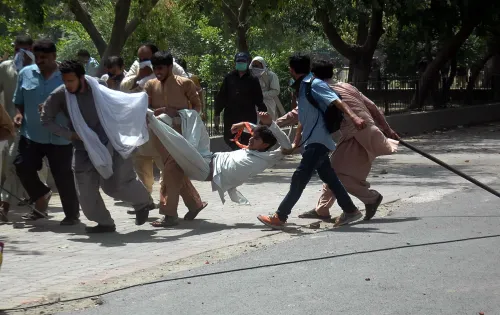
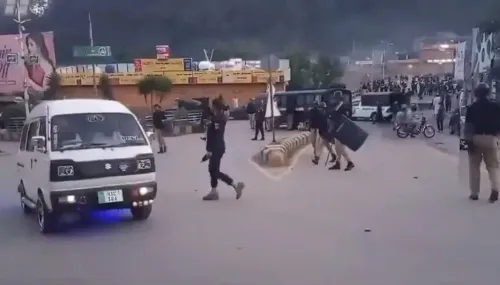
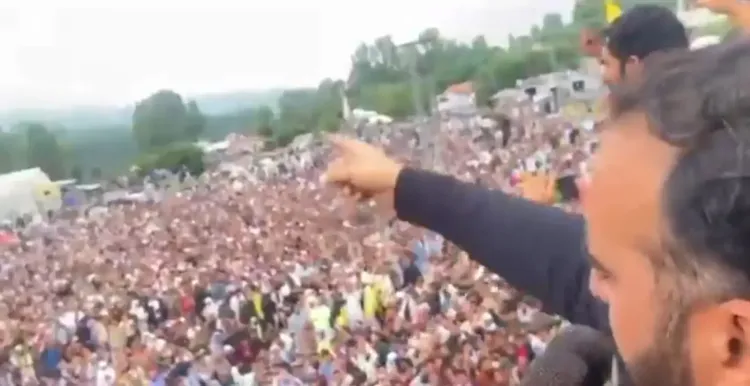
The unrest reached a flashpoint as voting proceeded in the so-called regional elections in three phases. Security forces reportedly used lethal force against protesters attempting to march near Rawalakot and Kotli. Local reports have claimed that more than 80 people were killed, including several security personnel, while hundreds of other protesters were injured or detained. Videos circulated on social media — including on the JKJAAC handle — purportedly showed large-scale use of force by Pakistani security forces over the past several months.
Turkey-based journalist Uzay Bulut, writing in PJ Media, stated: 'Widespread protests in PoK have broken out over lack of basic rights, administrative oppression, and high living costs. Pakistan's security forces have responded with police brutality, internet blackouts, and live fire against unarmed demonstrators, leading to civilian deaths and injuries. International bodies have called on Islamabad to be held accountable for these abuses. Yet Pakistan continues to respond with prolonged internet blackouts.'
Human Rights Commission Flags Governance Failure
Last month, the Human Rights Commission of Pakistan (HRCP) released a fact-finding report titled 'Civic Spaces under Strain', attributing the unrest to longstanding political and socioeconomic grievances, institutional distrust, governance deficits, and an increasingly confrontational state response. The Commission noted a disproportionate use of force by authorities.
In the report, the HRCP said: 'While accounts differed sharply on the nature of JAAC, the scale and causes of violence, and the conduct of security forces, there was broad recognition among political and community stakeholders that the underlying grievances required a political response. The resort to coercive measures in place of sustained dialogue appears to have deepened polarisation and eroded public trust.'
Rights Beyond Elections at Stake
The HRCP warned that the unrest has implications well beyond electoral disputes, affecting the rights to life, liberty, and security; freedom of expression, peaceful assembly, and association; freedom of movement; and access to information. The Commission specifically cited prolonged internet and mobile shutdowns, restrictions on movement, disruption of access to essential commodities and healthcare, arrests of activists and journalists, and the use of anti-terrorism and detention provisions as measures that have 'narrowed civic space' in PoK.
This is not the first time Pakistan has deployed internet shutdowns as a tool of political control — similar blackouts have been documented during elections in mainland Pakistan and past unrest in Balochistan. The international community's response to the situation in PoK is expected to come under renewed scrutiny at upcoming multilateral forums.
Point of View
Anti-terrorism laws, and sustained internet blackouts against the very population it claims to champion. The HRCP's own finding of 'disproportionate force' and 'deepened polarisation' is not a third-party accusation — it is a domestic indictment. The 12 refugee seats at the heart of the protest reveal how the military-political establishment has structurally engineered a captive electoral constituency in PoK for decades. Without a credible political dialogue and accountability for reported killings, the blackout will end, but the grievances that ignited it will not.
NationPress
23 Sept 2026
Frequently Asked Questions
Why is there an internet blackout in Pakistan-occupied Kashmir?
Pakistan suspended mobile data and broadband services in PoK on 5 June 2026, ahead of and during protests over electoral reform, lack of basic rights, and high living costs. The blackout was part of a broader crackdown that also included declaring protest group JKJAAC a terrorist organisation and arresting its leaders.
What is the JKJAAC and what does it demand?
The Jammu Kashmir Joint Awami Action Committee (JKJAAC) is a grassroots umbrella group in PoK that led protests calling for abolition of 12 legislative seats reserved for refugees settled in mainland Pakistan. Critics argue these seats allow Pakistani political parties and the military to manipulate local elections in PoK's 45-seat assembly.
How many people have been killed in the PoK protests?
Local reports have claimed that more than 80 people were killed, including several security personnel, as Pakistani security forces used lethal force near Rawalakot and Kotli. Hundreds more were reportedly injured or detained, though independent verification remains difficult given the communications blackout.
What did the Human Rights Commission of Pakistan say about the crackdown?
The HRCP released a fact-finding report titled 'Civic Spaces under Strain', attributing the unrest to longstanding political and socioeconomic grievances and criticising a 'disproportionate use of force'. It warned that coercive measures in place of dialogue had deepened polarisation and eroded public trust.
How has the internet blackout affected daily life in PoK?
The sustained shutdown since 5 June has disrupted business activity, online banking, and the academic calendar — authorities have postponed entrance exams for students. The HRCP also flagged disruption to access to essential commodities and healthcare, along with restrictions on freedom of movement and expression.