China forcing cancer-surgery journalist Dong Yuyu back to prison labour, CPJ slams 'inhumane' treatment
Synopsis
Veteran Chinese journalist Dong Yuyu, convicted on espionage charges, was forced back to prison labour just weeks after cancer surgery at age 64 — prompting an urgent condemnation from the CPJ, which called the order 'inhumane' and demanded his immediate release. Two major press freedom groups are now demanding international action.
Key Takeaways
Dong Yuyu , a former editor at Guangming Daily , was convicted of espionage in November 2024 and sentenced to seven years in prison.
A tumour was detected in May 2025 ; he underwent surgery in August 2025 at a Beijing prison hospital.
Authorities ordered him to resume prison labour on 12 October 2025 , weeks after major cancer surgery, according to his family.
He was transferred to Chaobai Prison in Tianjin , roughly 168 km from his family in Beijing, in March 2025 .
The CPJ called the order 'inhumane'; Reporters Without Borders (RSF) has separately urged the international community to pressure Beijing for his medical parole.
The Committee to Protect Journalists (CPJ) has sharply condemned Chinese authorities for compelling Dong Yuyu, a 64-year-old veteran journalist recovering from cancer surgery, to resume prison labour — issuing an urgent call for his immediate release on humanitarian grounds. The condemnation was issued on 4 November 2026 from New York.
Who Is Dong Yuyu
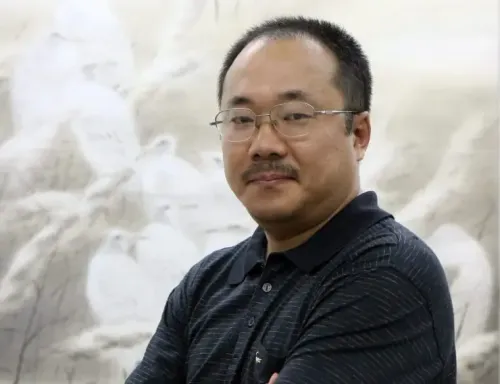
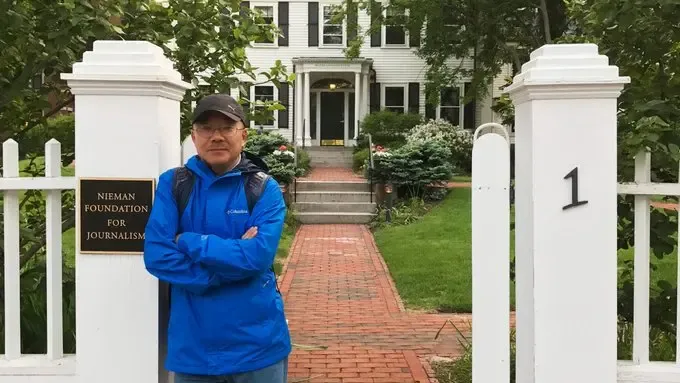
Dong Yuyu was a senior editor and columnist at the state-owned Guangming Daily, one of China's most prominent government-affiliated newspapers. He was arrested in 2022 while having lunch with a Japanese diplomat in Beijing — a meeting that Chinese authorities later characterised as evidence of espionage. In November 2024, he was convicted on espionage charges and sentenced to seven years in prison.
Cancer Diagnosis and Disputed Prison Labour Order
According to the CPJ, a tumour was detected in Dong in May 2025 after he was hospitalised with heart palpitations and significant weight loss. He subsequently underwent a major operation to remove the cancerous tumour at a prison hospital in Beijing in August 2025. His family told the CPJ that on 12 October 2025 — just weeks after that surgery — authorities ordered him to resume prison labour. His health has reportedly declined since.
In March 2025, Dong had been transferred from Beijing Prison to Chaobai Prison in the southeastern city of Tianjin, approximately 168 kilometres from his family's home in Beijing, further limiting family contact and access to independent medical support.
What the CPJ Said
Beh Lih Yi, CPJ Asia-Pacific Director, issued a pointed statement condemning the authorities' conduct: “It is inhumane of Chinese authorities to expect 64-year-old Dong Yuyu to resume prison labor weeks after major surgery and demonstrates a blatant disregard for his life. Dong Yuyu should not even be in prison on a bogus espionage charge. Chinese authorities must halt all prison labor demands and release him on humanitarian grounds.”
Reporters Without Borders Also Raises Alarm
Reporters Without Borders (RSF) has separately urged the international community to ramp up pressure on Beijing to secure Dong's release on medical parole and allow him to travel abroad for treatment and to reunite with his family. Aleksandra Bielakowska, Advocacy Manager of RSF Asia Pacific, said: “We are deeply concerned for Dong Yuyu’s health. Chinese prisons are notorious for their appalling conditions, lack of independent and high-quality medical support, and disregard for the well-being of prisoners.”
Broader Context: Press Freedom in China
China consistently ranks near the bottom of global press freedom indices. The CPJ and RSF have documented dozens of cases of journalists detained on espionage or state secrets charges — a broad legal category that critics argue is routinely weaponised against reporters who maintain contact with foreign nationals, including diplomats. Dong's case is notable because his arrest stemmed directly from what his supporters describe as a routine professional lunch. This is not an isolated incident; it fits a documented pattern of journalists being targeted through national security legislation that offers little procedural protection.
With two major press freedom organisations now publicly demanding his release, international scrutiny of Dong Yuyu's case is likely to intensify in the weeks ahead.
Point of View
64-year-old prisoner back to labour is not merely a humanitarian failure — it is a signal about the cost of professional journalism in China. What is striking is the arrest trigger: a lunch with a diplomat, the kind of sourcing interaction that is standard practice for any senior journalist anywhere else in the world. The simultaneous condemnation by both the CPJ and RSF suggests coordinated pressure is building, but Beijing's historical response to such campaigns is to accelerate isolation of the prisoner rather than yield. The real test is whether allied governments are willing to convert press freedom rhetoric into tangible diplomatic cost for China.
NationPress
4 Nov 2026
Frequently Asked Questions
Who is Dong Yuyu and why was he jailed?
Dong Yuyu is a 64-year-old veteran journalist and former editor at China's state-owned Guangming Daily. He was arrested in 2022 after having lunch with a Japanese diplomat in Beijing, convicted of espionage in November 2024, and sentenced to seven years in prison.
What is the CPJ's concern about his treatment in prison?
The CPJ has condemned Chinese authorities for ordering Dong to resume prison labour in October 2025, just weeks after he underwent surgery to remove a cancerous tumour in August 2025. CPJ Asia-Pacific Director Beh Lih Yi called the order 'inhumane' and demanded his immediate release on humanitarian grounds.
Where is Dong Yuyu currently held?
Dong is currently held at Chaobai Prison in Tianjin, to which he was transferred in March 2025. The facility is approximately 168 kilometres from his family's home in Beijing, limiting access and contact.
What has Reporters Without Borders said about his case?
Reporters Without Borders has urged the international community to increase pressure on Beijing to release Dong on medical parole and allow him to travel abroad for treatment. RSF's Aleksandra Bielakowska cited 'appalling conditions' in Chinese prisons and a lack of independent medical support.
Is Dong Yuyu's case unusual among jailed journalists in China?
No — China consistently ranks near the bottom of global press freedom indices. The CPJ and RSF have documented many cases of journalists detained under broad espionage or state secrets laws, often for routine contact with foreign nationals. Dong's case is nonetheless significant because of his seniority and the severity of his health condition.