PoK joins Pakistan's security flashpoints amid JAAC crisis
Synopsis
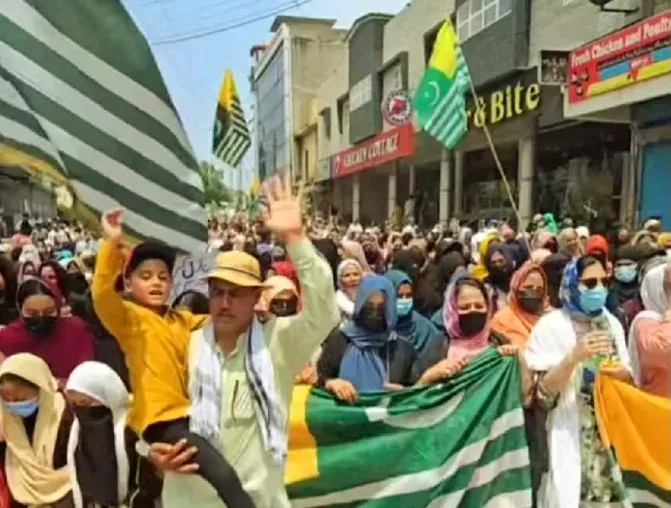
What started as a local autonomy protest in PoK has spiralled into a full-blown security crisis — with Pakistan designating the JAAC a terrorist group, a deadly crackdown, and movement leaders reportedly signalling openness to reconsider ties with India. Analysts now say PoK has joined Balochistan and Khyber Pakhtunkhwa as a simultaneous flashpoint, raising urgent questions about Islamabad's grip on its periphery.
Key Takeaways
Unrest in Pakistan-occupied Kashmir (PoK) has been driven by the Joint Awami Action Committee (JAAC) , demanding political autonomy and abolition of 12 reserved parliamentary seats for Kashmiri refugees.
A 2025 agreement between the JAAC and Islamabad broke down after authorities allegedly failed to implement key commitments.
Pakistan designated the JAAC a terrorist organisation in early June , sharply escalating tensions.
A security operation reportedly left senior JAAC figure Umar Nazir Kashmiri injured and his associate Shahzaib Habib killed.
JAAC leader Sardar Aman Khan reportedly warned residents may 'reconsider their political future' amid food and medicine shortages — a statement seen as a veiled reference to India .
Analysts say the crisis now intersects with geopolitical rivalries involving India , Pakistan , China , and Western governments.
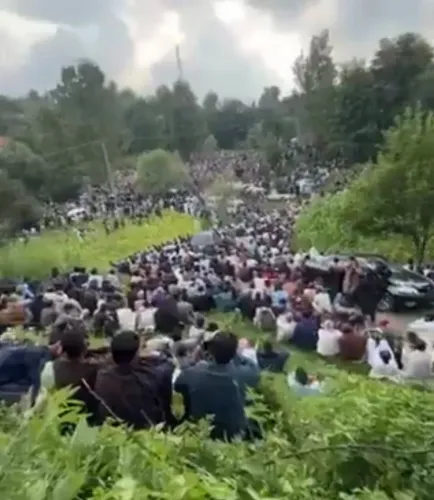
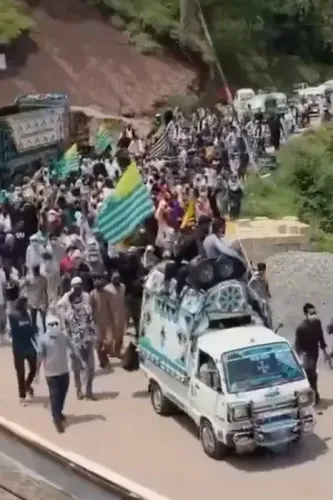
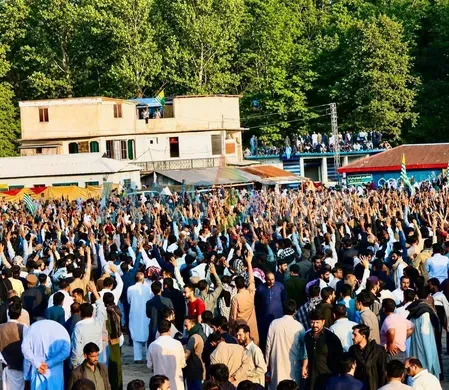
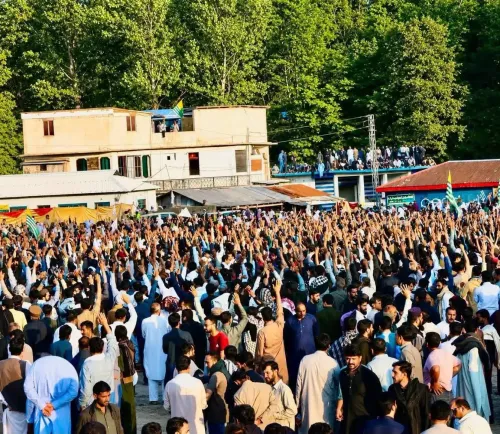
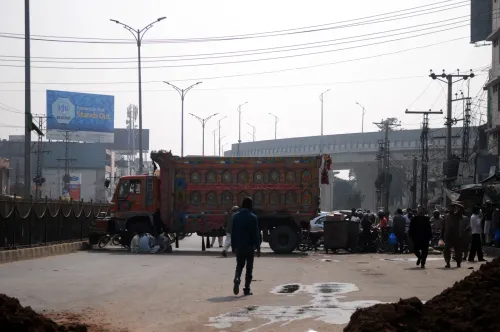
Pakistan-occupied Kashmir (PoK) has emerged as a fresh security and governance flashpoint for Islamabad, as unrest driven by the Joint Awami Action Committee (JAAC) deepens against a backdrop of simultaneous instability in Balochistan, Khyber Pakhtunkhwa, and Pakistan-occupied Gilgit-Baltistan (PoGB), according to a report published on the Directus news website. The convergence of these regional crises has, according to analysts cited in the report, intensified questions about Pakistan's long-term internal stability.
Roots of the PoK Crisis
The unrest in PoK centres on the JAAC, which has long demanded greater political autonomy, institutional reform, and expanded self-governance for the region. A key flashpoint has been the movement's call for the abolition of 12 reserved parliamentary seats allocated to Kashmiri refugees residing elsewhere in Pakistan. The Supreme Court of PoK rejected that demand, and senior federal officials declared the existing constitutional arrangement would remain unchanged.
In 2025, the JAAC and the Pakistani government had reached a negotiated agreement. However, protest leaders argue that authorities failed to honour key commitments, triggering the current escalation.
Shift from Dialogue to Enforcement
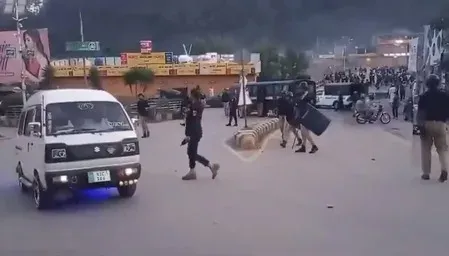
'According to reports, Pakistan's authorities gradually shifted their strategy from negotiation to enforcement. The situation deteriorated rapidly in early June,' the Directus report noted. Regional authorities subsequently designated the JAAC a terrorist organisation — a move that dramatically heightened tensions on the ground.
The situation worsened further after security forces conducted an operation targeting senior JAAC figure Umar Nazir Kashmiri, who reportedly survived with injuries. His associate Shahzaib Habib was killed during the incident, according to accounts cited by protest organisers.
Politically Sensitive Statements on India
Among the most significant developments flagged in the report are statements attributed to JAAC leader Sardar Aman Khan, who reportedly warned that continued blockades and shortages of food and medicine could lead some residents to 'reconsider their political future.' The report described these as among the most politically sensitive signals to emerge from the crisis, given their implicit reference to a possible reorientation toward India.
Regional and Geopolitical Dimensions
The report concludes that what began as a localised protest movement has evolved into a broader political and security challenge with regional consequences. 'It now intersects with wider geopolitical rivalries involving India, Pakistan, China, and Western governments, making Kashmir once again one of South Asia's most volatile flashpoints,' the report stated.
International scrutiny of the situation is reportedly growing as demonstrations continue and political tensions deepen, with the crisis no longer confined to the disputed territory itself.
Pakistan's Wider Instability
PoK's unrest does not exist in isolation. Islamabad is simultaneously managing persistent security challenges in Balochistan, Khyber Pakhtunkhwa, and PoGB — a combination that analysts say raises broader questions about governance, political representation, and human rights across Pakistan's periphery. The simultaneity of these crises is what distinguishes the current moment from earlier episodes of regional unrest.
Point of View
This is a situation worth watching closely — not to intervene, but because the narrative around PoK is shifting in ways that carry long-term strategic weight. The China factor, too, is significant: Beijing's infrastructure stakes in PoGB mean any sustained instability in Pakistan's north carries costs beyond Islamabad's borders.
NationPress
16 Sept 2026
Frequently Asked Questions
What is the JAAC and why is it protesting in PoK?
The Joint Awami Action Committee (JAAC) is a civil society-led movement in Pakistan-occupied Kashmir demanding greater political autonomy, institutional reform, and the abolition of 12 reserved parliamentary seats allocated to Kashmiri refugees living outside PoK. It reached a negotiated agreement with the Pakistani government in 2025 but says authorities failed to implement key commitments, triggering fresh protests.
Why did Pakistan designate the JAAC a terrorist organisation?
Pakistani regional authorities designated the JAAC a terrorist organisation in early June, following a reported shift in strategy from negotiation to enforcement as protests intensified. The move came after the Supreme Court of PoK rejected the JAAC's demand on reserved seats and federal officials declared the constitutional arrangement would remain unchanged.
Who is Sardar Aman Khan and what did he say about India?
Sardar Aman Khan is identified in the report as a JAAC leader. He reportedly warned that continued blockades and shortages of food and medicine could lead some PoK residents to reconsider their political future — a statement widely interpreted as a veiled reference to a possible reorientation toward India.
How does PoK's unrest connect to Pakistan's wider instability?
PoK's crisis is unfolding simultaneously with persistent security challenges in Balochistan, Khyber Pakhtunkhwa, and Pakistan-occupied Gilgit-Baltistan, according to the report. Analysts cited in the report say this convergence of multiple regional crises has intensified questions about Pakistan's long-term internal stability and governance capacity.
What are the geopolitical implications of the PoK crisis?
The report states the crisis now intersects with geopolitical rivalries involving India, Pakistan, China, and Western governments, making Kashmir 'one of South Asia's most volatile flashpoints.' Growing international scrutiny and the involvement of multiple major powers have elevated the crisis well beyond its origins as a localised protest movement.