PoK protests spread beyond Rawalkot as JAAC defies Islamabad
Synopsis
The PoK protest movement has broken containment. With the JAAC announcing a long march to Muzaffarabad and demonstrations confirmed in Sudhanoti, Islamabad's claim that unrest was limited to Rawalkot has collapsed. After two months of deadlock, officials warn that if KP and Balochistan grievances merge with PoK's, Pakistan faces a crisis on three simultaneous fronts.
Key Takeaways
The JAAC has confirmed protests have spread to Sudhanoti , rejecting Islamabad's claim that demonstrations are confined to Rawalkot .
The committee has announced a long march to Muzaffarabad and plans region-wide rallies demanding economic relief and constitutional rights.
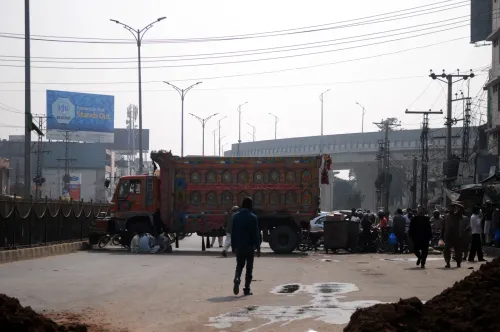
Protests have continued for over two months despite a crackdown by Pakistan Rangers , with no resolution in sight.
Islamabad, which once labelled protesters as terrorists, is now reportedly calling them patriots in an attempt to pacify the movement.
Officials warn that converging unrest in Khyber Pakhtunkhwa , Balochistan , and PoK could unite into a broader challenge to the Pakistani establishment.
Analysts say the protests have reinforced India 's position that PoK residents have been denied basic rights and suppressed by the administration.
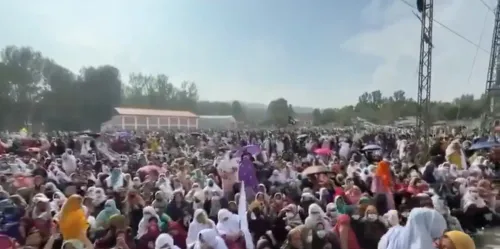
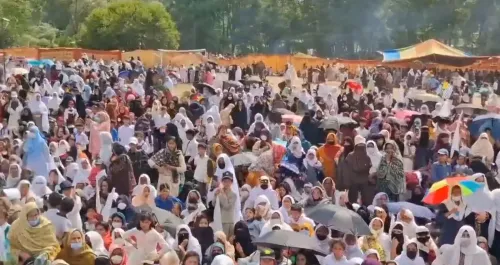
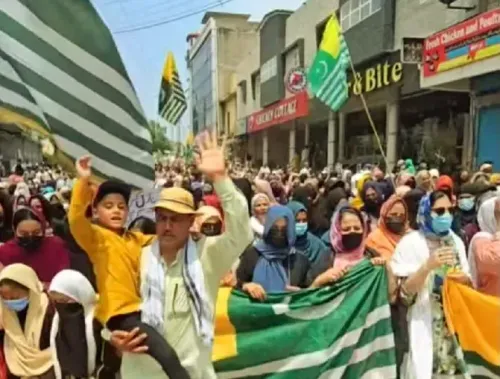
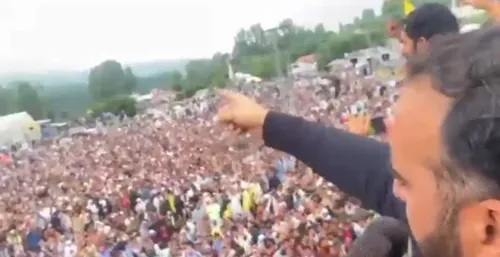
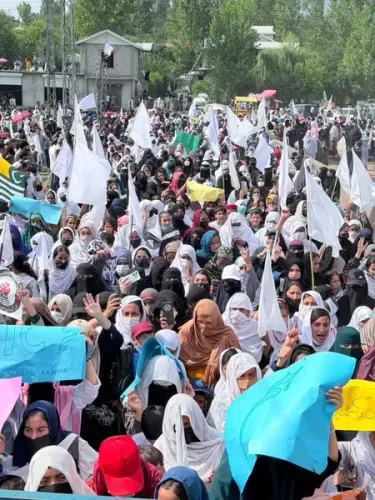
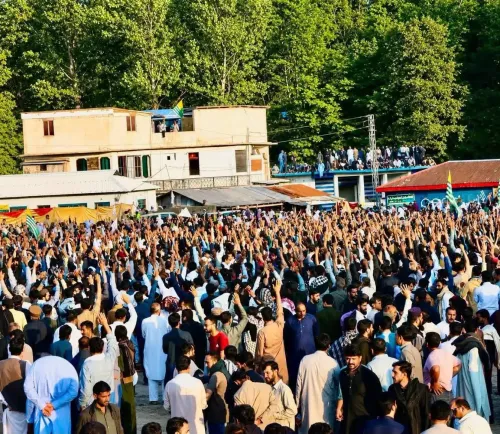
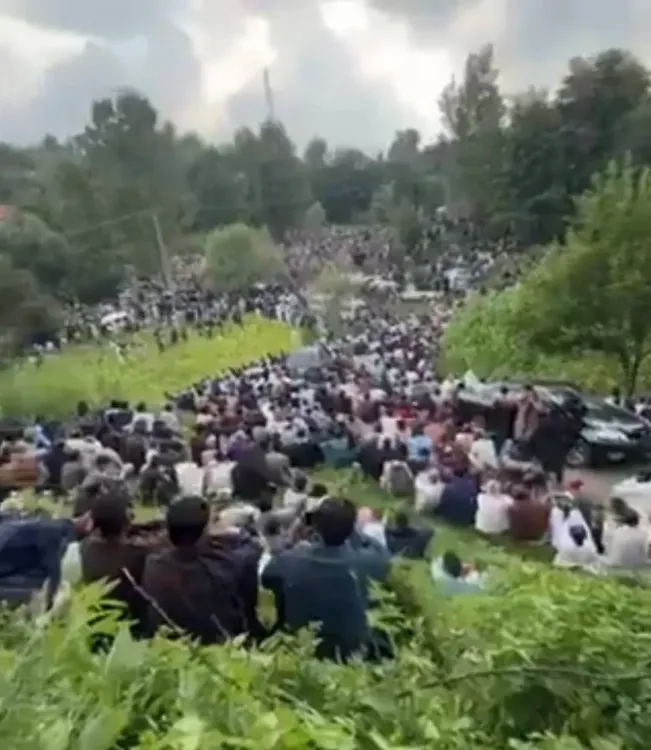
Protests across Pakistan-occupied Kashmir (PoK) have intensified and expanded well beyond their original flashpoint, with the Joint Awami Action Committee (JAAC) announcing a long march to Muzaffarabad and confirming mobilisation has now reached Sudhanoti. The escalation, reported on 20 August, has left Islamabad scrambling to contain a movement that analysts say is the most sustained display of public defiance the region has seen in years.
Protests Spread Across the Region
The JAAC has categorically rejected Islamabad's assertion that demonstrations were limited to Rawalkot, stating that rallies have now spread across multiple districts of PoK. The committee has vowed to intensify agitation through region-wide rallies, pressing demands for improved economic conditions and guaranteed constitutional rights.
Notably, protesters from Plandari who had earlier dispersed have returned to join the sit-in at Rawalkot, a development that officials say signals a re-energised movement rather than one losing steam. Despite a crackdown by Pakistan Rangers, demonstrators have not stood down.
Islamabad's Shifting Stance
According to officials, Islamabad's response has undergone a telling reversal. Authorities who once labelled the protesters as terrorists are now attempting to characterise them as patriots — a shift that, according to one official, the people of PoK are unlikely to accept. 'The people of PoK this time will not walk into this trap like they have done several times in the past,' the official said.
The protests have now dragged on for over two months with no resolution in sight, reportedly because Islamabad is unwilling to lower its position and genuinely engage with the protesters' demands, despite acknowledging the scale of the challenge.
A Wider Crisis for Pakistan
Officials and Pakistan watchers warn that the PoK unrest does not exist in isolation. Khyber Pakhtunkhwa (KP) and Balochistan are also experiencing significant internal tensions, and there is, according to one official, 'every likelihood' that grievances across these regions could converge into a unified challenge to the Pakistani establishment. Should that happen, officials say, Islamabad would face a far larger and more complex battle.
An Intelligence Bureau official noted that Pakistan has lost valuable time by failing to address the root causes of the unrest — the absence of credible elections, unmet economic promises, and the denial of basic rights and services to PoK residents.
India's Position Validated, Analysts Say
Analysts argue that the scale and persistence of the protests have effectively validated India's long-standing position that the people of PoK have been suppressed by the administration and denied fundamental rights. Pakistan has historically pushed back against this characterisation, but the current wave of defiance, critics say, has made that counter-narrative increasingly difficult to sustain.
With public defiance growing daily and the establishment visibly on the back foot, the trajectory of the PoK movement will be closely watched — both within the region and across the border.
Point of View
And the bill is now coming due. What makes this moment different from past flare-ups is the geographic spread; once a protest movement escapes its original flashpoint, containment becomes exponentially harder. If KP and Balochistan grievances formally align with PoK's, Pakistan faces a multi-front internal crisis that no amount of rebranding can manage.
NationPress
5 Oct 2026
Frequently Asked Questions
Why are protests happening in Pakistan-occupied Kashmir?
Residents of PoK have been demonstrating for improved economic conditions and guaranteed constitutional rights, protesting against what they describe as decades of neglect, rigged elections, and unmet promises by Islamabad. The movement has been ongoing for over two months with no resolution reached.
What is the JAAC and what has it demanded?
The Joint Awami Action Committee (JAAC) is the primary body coordinating the PoK protests. It has demanded better economic conditions and constitutional rights for PoK residents, announced a long march to Muzaffarabad, and rejected Islamabad's claims that unrest is limited to Rawalkot.
How has Islamabad responded to the PoK protests?
Islamabad initially labelled the protesters as terrorists but has since shifted to calling them patriots in an apparent attempt at pacification. Despite deploying Pakistan Rangers, the crackdown has not suppressed the movement, and officials say the government has been unwilling to substantively engage with protesters' demands.
Could the PoK unrest spread to other parts of Pakistan?
Officials and analysts warn it is possible. Khyber Pakhtunkhwa and Balochistan are also experiencing significant internal tensions, and there is concern that grievances across all three regions could converge, presenting the Pakistani establishment with a far larger and more complex crisis.
What is India's position on the PoK protests?
India has long maintained that the people of PoK have been suppressed and denied basic rights by the Pakistani administration. Analysts say the scale and persistence of the current protests have reinforced that position, making Pakistan's counter-narrative increasingly difficult to sustain.