JAAC denies India backing in PoK protests, dares Pakistan to prove it
Synopsis
The JAAC — the civil coalition leading PoK's largest protests in decades — has publicly dared Pakistan to prove its India-backing allegations, calling itself an indigenous rights movement. With at least 88 dead, internet shutdowns, and the UN now demanding an impartial inquiry, Islamabad faces a credibility test it cannot answer with silence.
Key Takeaways
The JAAC has categorically denied receiving financial or operational support from India , challenging Pakistan to produce evidence.
Advisory council member S.A.
Khan described the movement as an 'indigenous civil-rights movement' rooted in local grievances over electricity prices and governance.
At least 88 people have been killed in PoK through 3 August , per documentation by the Jammu Kashmir Human Rights Observatory .
Pakistan banned the JAAC under anti-terrorism laws in June , a move the committee has rejected as politically motivated.
UN Secretary-General António Guterres has backed UN Human Rights Chief Volker Turk's call for a prompt, impartial inquiry into all deaths.
Internet suspension, alleged police brutality, and election irregularities have compounded the crisis in the region.
The Jammu Kashmir Joint Awami Action Committee (JAAC), which has been spearheading the ongoing protests in Pakistan-occupied Kashmir (PoK), has categorically rejected Islamabad's allegations that it receives financial or operational support from India, demanding that Pakistani authorities produce concrete evidence for such claims. The denial came in an interview published by UK-based daily The Independent.
JAAC's Categorical Denial
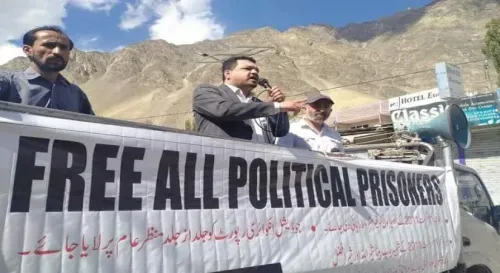
S.A. Khan, a member of the JAAC advisory council, told The Independent that his coalition of civil society and political organisations was 'not answerable' to India. 'JKJAAC categorically rejects the allegation that it is sponsored, financed or controlled by India,' Khan said. 'It is an indigenous civil-rights movement rooted in local concerns about electricity prices, essential commodities, governance, public resources, implementation of signed agreements and political representation,' he stressed.
Khan also pushed back against Pakistan's characterisation of the JAAC as an armed organisation, asserting that the movement remained committed to peaceful protest. Pakistani authorities, meanwhile, have maintained that security forces acted within the law in their response to demonstrators.
Scale and Roots of the PoK Unrest
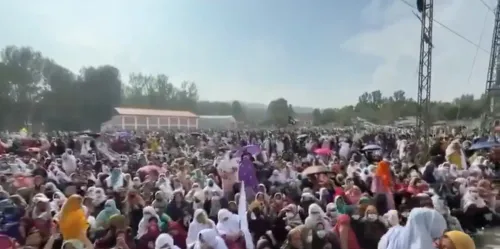
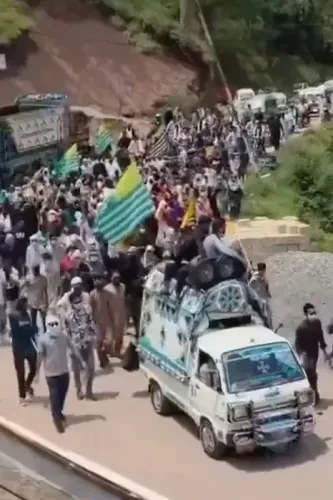
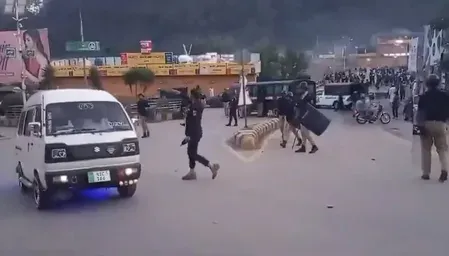
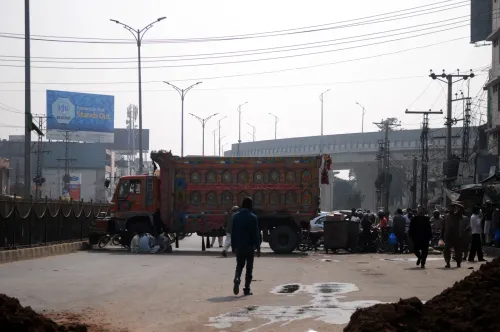
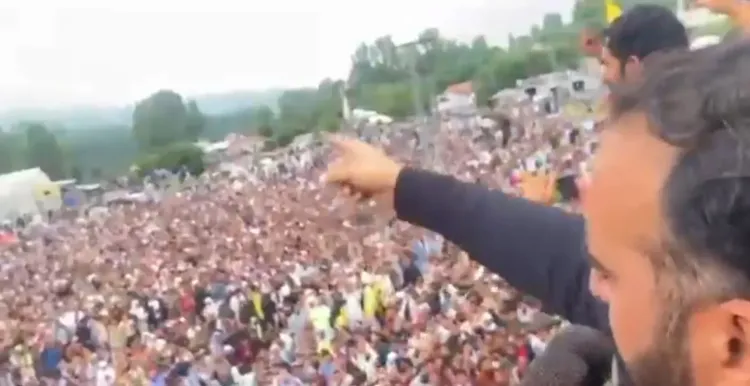
The protests in Pakistan-occupied Kashmir represent the most extensive confrontation between the local population and the Pakistani state in decades. What began as public anger over soaring electricity prices and the cost of essential commodities has since evolved into a broader movement demanding political reforms, greater accountability, and representative governance.
Pakistani authorities escalated their response in June, formally proscribing the JAAC under anti-terrorism laws — a move the committee has rejected as politically motivated. This is not the first time Islamabad has invoked national-security framing to delegitimise dissent in the region; critics argue the pattern repeats each time organised civil resistance gains momentum in PoK.
Death Toll and Access Concerns
At least 88 people have been killed in the unrest in PoK through 3 August, according to documentation shared by the Jammu Kashmir Human Rights Observatory with the Awami Action Committee. However, Khan cautioned that there was 'no reliable' final injury count, citing restricted access to hospitals, families, and official records — a detail that significantly complicates independent verification of the scale of violence.
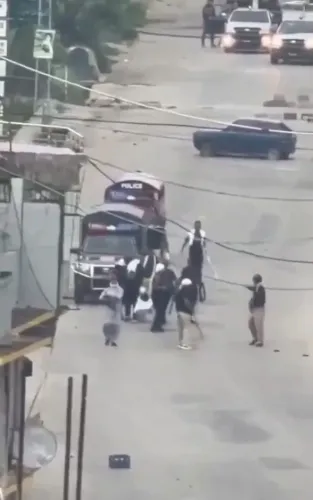
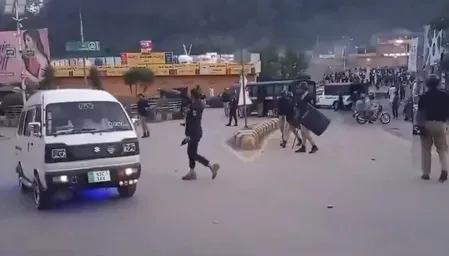
Allegations of police brutality, suspension of internet services, and interference in local elections have accompanied the crackdown, drawing sharp international attention.
UN Calls for Impartial Inquiry
United Nations Secretary-General António Guterres has backed his human rights chief's call for an independent investigation into the killings. Farhan Haq, Deputy Spokesperson for the UN Secretary-General, said on Friday: 'The Secretary-General supports the work of his High Commissioner, and we certainly hope that the pleas made by Volker Turk will be listened to.'
UN High Commissioner for Human Rights Volker Turk had earlier called for 'prompt, thorough and impartial investigations into all deaths that have occurred due to the unrest, both among protesters and members of security forces.' Haq added that 'if there have been people harmed for engaging in peaceful protest, there needs to be accountability for that.'
What Comes Next
With the UN pressing for accountability and the JAAC firmly denying any foreign hand, pressure on Islamabad to substantiate its India-backing claims — or withdraw them — is mounting. The international spotlight on PoK is unlikely to dim in the near term, and how Pakistan responds to both the UN inquiry call and the JAAC's challenge will shape the trajectory of the crisis.
Point of View
Amplified by a UK newspaper interview, flips the burden of proof onto Islamabad at precisely the moment the UN is demanding accountability for 88 deaths. The banning of a civil committee under anti-terrorism law, without producing evidence of foreign financing, risks reinforcing the protesters' core argument: that the Pakistani state substitutes repression for governance in PoK. The real story here is not whether India is involved — it is why decades of legitimate local grievances over electricity prices and political representation have found no institutional outlet, forcing them onto the streets.
NationPress
23 Sept 2026
Frequently Asked Questions
What is the JAAC and why is it significant in PoK?
The Jammu Kashmir Joint Awami Action Committee (JAAC) is a coalition of civil society and political organisations that has been leading the protests in Pakistan-occupied Kashmir (PoK). It is significant because it represents the most organised and widespread popular resistance against the Pakistani state in the region in decades, with protests initially triggered by high electricity prices and commodity costs before expanding into demands for political reform.
Why does Pakistan claim the JAAC is backed by India?
Pakistani authorities have repeatedly alleged that the JAAC receives financial support and direction from India, using these claims to justify banning the group under anti-terrorism laws in June. However, the JAAC has categorically denied these allegations and challenged Pakistan to produce concrete evidence, calling itself an indigenous civil-rights movement.
How many people have been killed in the PoK protests?
At least 88 people had been killed in the unrest in Pakistan-occupied Kashmir through 3 August, according to documentation shared by the Jammu Kashmir Human Rights Observatory with the Awami Action Committee. JAAC's S.A. Khan noted there is no reliable final injury count due to restricted access to hospitals and official records.
What has the United Nations said about the PoK situation?
UN Secretary-General António Guterres has backed Human Rights Chief Volker Turk's call for prompt, thorough, and impartial investigations into all deaths during the unrest. UN Deputy Spokesperson Farhan Haq stressed that authorities must allow peaceful protest and that accountability is necessary if protesters were harmed.
What were the original causes of the PoK protests?
The protests initially erupted over soaring electricity prices and the rising cost of essential commodities. They have since broadened into a movement demanding political reforms, greater accountability, implementation of previously signed agreements, and representative governance in Pakistan-occupied Kashmir.