UN experts flag Pakistan's killing of 96 PoK protesters, demand accountability
Synopsis
Six UN Special Rapporteurs have formally accused Pakistan of killing at least 96 protesters in PoK, arbitrarily labelling a civic group a terrorist organisation, freezing accounts and IDs of 205 civilians, and forcing grieving families to call their dead 'terrorists' just to retrieve their bodies — an indictment that lands as Pakistan seeks standing in multilateral forums.
Key Takeaways
Six UN Special Rapporteurs formally raised concerns with the Pakistani government over the crackdown on protesters in Pakistan-occupied Kashmir (PoK) .
At least 96 protesters have been killed since protests began in June 2026 , many aged between 15 and 35 ; at least 6 security personnel also died.
Pakistan designated the Jammu Azad Action Committee (JAAC) a terrorist organisation on 5 June 2026 , despite having signed formal agreements with the group as recently as October 2025 .
At least 70 people , including journalists, were arrested; some face terrorism charges.
205 people , including women, were placed on Pakistan's Anti-Terrorism Act Fourth Schedule — their IDs, bank accounts, and passports reportedly frozen.
Families of those killed were allegedly forced to sign documents labelling victims as terrorists before receiving their bodies.
Six UN Special Rapporteurs on human rights have formally raised serious concerns about Pakistan's designation of the Jammu Azad Action Committee (JAAC) as a terrorist organisation in Pakistan-occupied Kashmir (PoK), citing documented state violence against civilians, unlawful killings, mass arrests, and sweeping civil liberties restrictions. The letter, addressed to the Pakistani government, marks one of the most pointed international rebukes of Islamabad's conduct in the disputed territory in recent years.
The Terrorist Designation at the Centre of the Storm
On 5 June 2026, Pakistani authorities issued a formal notification designating JAAC as a 'proscribed organisation' under the First Schedule of Pakistan's Anti-Terrorism Act 2014, accusing it of engaging in terrorism, creating anarchy, intimidating the public, and promoting insecurity. The UN experts, however, challenged that framing directly.
'We are concerned that the designation may not be consistent with international standards concerning terrorist listings, and that JAAC may have been unjustifiably listed in retaliation for its political, labour and human rights advocacy, in violation of international human rights law,' the letter stated. The experts also noted that Pakistani authorities had formally engaged with JAAC representatives over the years and had entered into formal agreements with them, including the Muzaffarabad Agreement of October 2025 — a detail they said undermined the terrorism justification.
What Triggered the Protests
The designation, according to the UN letter, coincided with the opening of nominations for legislative assembly elections on 27 July 2026. It followed JAAC's call for a region-wide strike after Pakistan's Supreme Court rejected the group's campaign to abolish the 12 legislative assembly seats reserved for refugees. Critics argue the timing suggests the designation was politically motivated — a crackdown on organised civic dissent rather than a genuine counter-terrorism measure.
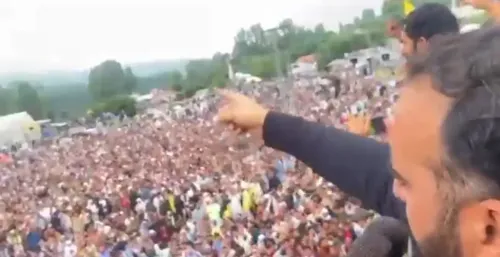
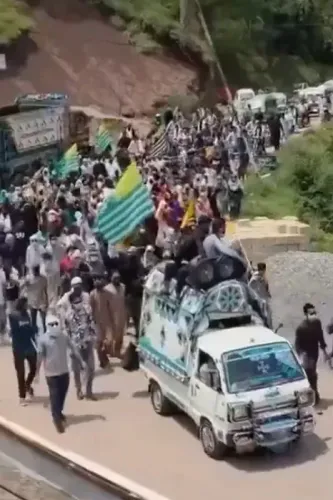
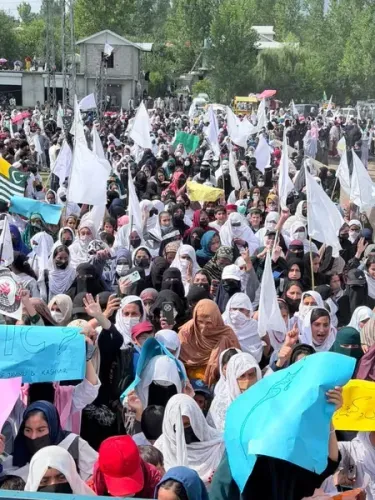
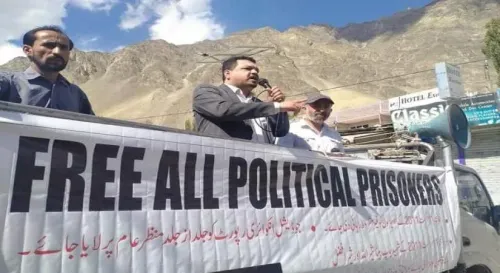
Peaceful protests subsequently erupted across PoK. A planned 'long march' from Rawalakot to Muzaffarabad, organised to demand accountability for earlier killings and the release of detainees, was prohibited. 4,000 police and paramilitary personnel were deployed to prevent the march from proceeding.
Deadly Crackdown: At Least 96 Protesters Killed
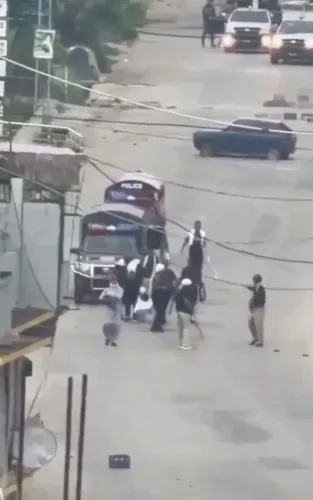
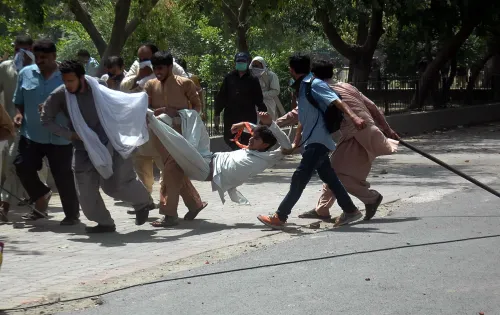
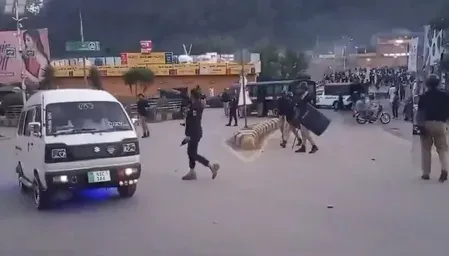
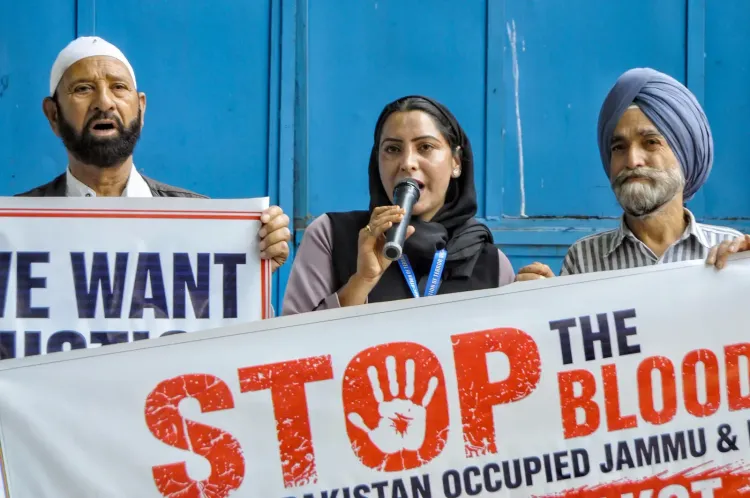
Security forces reportedly used tear gas and batons and resorted to lethal force against demonstrators. 'At least 96 protesters have been killed, in addition to 6 police and paramilitary personnel, since the beginning of protests in June 2026 — many of them young people between the ages of 15 and 35,' the UN letter stated. Similar clashes were reported throughout the occupied territory.
Among the most disturbing allegations in the letter: families of those killed were reportedly compelled to sign documents declaring their relatives were terrorists before their bodies were released. The experts called this a form of coercive state pressure that violated basic human dignity and due process.
Security operations also resulted in the arrests of at least 70 people, including JAAC members, supporters, and journalists, with some facing criminal proceedings on terrorism charges. Internet and mobile communications were restricted, curfews were imposed, hospitals were shut down, and injured protesters were allegedly denied medical care — measures the UN experts described as 'apparent collective punishment.'
Civil Liberties Suspended for Hundreds
The scale of administrative repression extended beyond the protests themselves. According to the letter, 205 people, including women, were placed on the Fourth Schedule of Pakistan's Anti-Terrorism Act. This resulted in the cancellation or suspension of government-issued identity documents, cutting off access to essential services, including healthcare. Their bank accounts and passports were reportedly frozen, and they were required to report any movement to the police.
Notably, this comes amid longstanding international concern over civil and political rights in PoK — a territory India claims in full as part of the former princely state of Jammu and Kashmir. The UN intervention adds fresh pressure on Pakistan at a time when it has been seeking rehabilitation in multilateral forums.
What Happens Next
The UN Special Rapporteurs' letter is a formal communication that obligates the Pakistani government to respond. While such letters do not carry binding legal force, they create a public record and can inform future action by the UN Human Rights Council. Pakistan has not yet issued a public response to the letter. Rights organisations and Indian diplomatic observers are expected to cite the UN findings in upcoming multilateral engagements. The situation in PoK remains under close international watch.
Point of View
Forcing families to sign away their loved ones' reputations as the price of a funeral. These are not incidental excesses — they suggest a systematic attempt to erase both the protest and its memory. For India, the UN findings provide multilateral ammunition in an argument it has long made unilaterally; the more significant question is whether the international community moves beyond letter-writing.
NationPress
4 Nov 2026
Frequently Asked Questions
What did the UN Special Rapporteurs say about Pakistan's actions in PoK?
Six UN Special Rapporteurs formally wrote to the Pakistani government expressing serious concern over the designation of the Jammu Azad Action Committee (JAAC) as a terrorist organisation, the killing of at least 96 protesters, mass arrests, and sweeping civil liberties restrictions in Pakistan-occupied Kashmir since June 2026. The experts said the designation may violate international human rights law and could constitute retaliation for JAAC's political and labour advocacy.
Why was the JAAC designated a terrorist organisation by Pakistan?
Pakistani authorities issued the designation on 5 June 2026 under the First Schedule of Pakistan's Anti-Terrorism Act 2014, accusing JAAC of terrorism, creating anarchy, and promoting insecurity. However, UN experts noted that Pakistan had formally negotiated and signed agreements with JAAC — including the Muzaffarabad Agreement of October 2025 — undermining the stated justification. The timing also coincided with the start of nominations for PoK legislative assembly elections.
How many people have been killed in the PoK protests?
According to the UN Special Rapporteurs' letter, at least 96 protesters have been killed since protests began in June 2026, along with 6 police and paramilitary personnel. Many of the victims were young people between the ages of 15 and 35. Families were reportedly required to sign documents declaring victims were terrorists before bodies were released.
What civil liberties restrictions were imposed on PoK residents?
205 people, including women, were placed on Pakistan's Anti-Terrorism Act Fourth Schedule, resulting in the cancellation of government-issued identity documents, denial of services including medical care, freezing of bank accounts and passports, and mandatory reporting of movements to police. Internet and mobile communications were also restricted, curfews imposed, and hospitals shut down during the unrest.
What can the UN Special Rapporteurs actually do about the situation?
UN Special Rapporteurs' letters are formal communications that require a government response but do not carry binding legal force. They create an official public record that can be used by the UN Human Rights Council and cited in future multilateral proceedings. Pakistan had not issued a public response to the letter as of the time of reporting.