Nandigram by-election 2026: Mamata faction left without candidate as Bengal politics shifts
Synopsis
Mamata Banerjee enters the Nandigram by-election without a candidate after a shock withdrawal and the arrest of a last-minute Congress ally — while the Election Commission strips both Trinamool factions of the original name and symbol. It is the most dramatic single day in Bengal politics in years, and the 6 October vote could redraw the state's power map.
Key Takeaways
Nandigram by-election is scheduled for 6 October 2026 ; the seat is one of two by-elections alongside Rejinagar in Murshidabad.
Sanchita Dey Pradhan , Mamata's Nandigram candidate, withdrew her nomination after meeting Chief Minister Suvendu Adhikari , leaving the Mamata faction unrepresented.
The ECI allotted the name 'Mamata All India Trinamool Congress' (symbol: Football Player) to Mamata's faction and 'Democratic Trinamool Congress' (symbol: Envelope) to the Ritabrata Banerjee faction; neither received the original name or twin florets symbol.
Congress candidate Milan Pradhan , backed by Mamata after her candidate withdrew, was reportedly arrested in a pre-existing case; Congress blamed the BJP , which denied involvement.
Approximately 60 rebel MLAs and 20 rebel MPs await the ECI's final ruling on party ownership, which will also determine control of party funds and assets.
The Trinamool Congress was founded on 1 January 1998 and ruled West Bengal for 15 uninterrupted years before its current internal fracture.
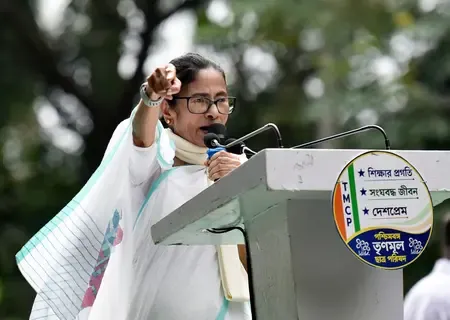
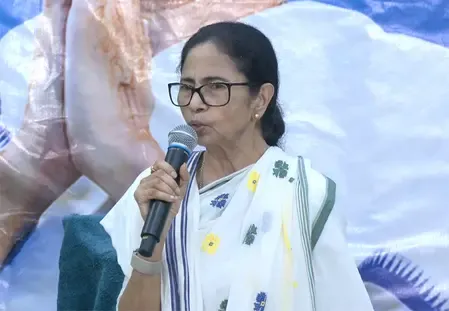
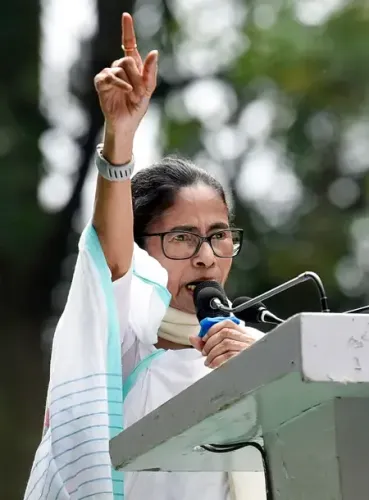
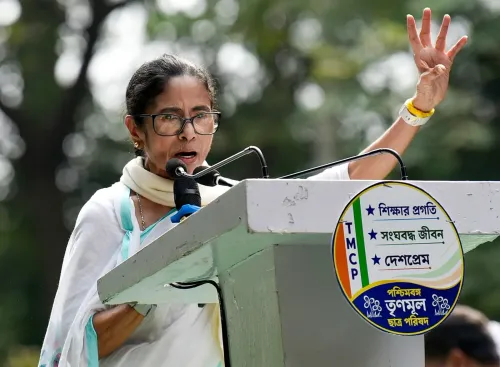
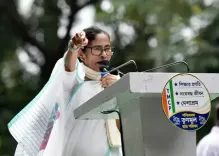
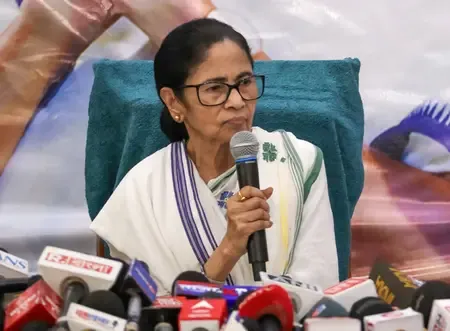
West Bengal's political landscape underwent a dramatic realignment on Friday, 18 September 2026, as All India Trinamool Congress founder and former Chief Minister Mamata Banerjee found herself without a candidate in the high-stakes Nandigram Assembly by-election scheduled for 6 October. A sequence of fast-moving developments — a candidate withdrawal, an arrest, and a split verdict from the Election Commission of India (ECI) — combined to leave Bengal's once-dominant political force scrambling for footing.
How Mamata Lost Her Nandigram Candidate
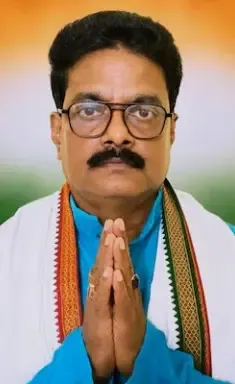
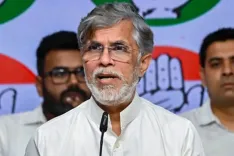
Sanchita Dey Pradhan, the candidate fielded by the Mamata-led Trinamool faction for Nandigram in East Midnapore district, withdrew her nomination following a meeting with Chief Minister Suvendu Adhikari. With the last date for filing nominations already past, Mamata had no alternative but to announce support for Congress candidate Milan Pradhan. Shortly after that announcement, reports emerged of Milan Pradhan's arrest in a pre-existing case. The Indian National Congress (INC) directly blamed the Bharatiya Janata Party (BJP) for the development; the ruling party denied any involvement.
BJP leaders noted that with the Model Code of Conduct in force, administrative control shifts to the state election commission, which can direct police to execute all previously issued non-bailable warrants — a procedural point that Opposition leaders argued was being weaponised.
Election Commission Splits the Trinamool Brand
Earlier on Friday, the ECI issued a significant ruling: it allotted new names and symbols to the two rival factions of the Trinamool Congress. The faction aligned with Mamata Banerjee was designated 'Mamata All India Trinamool Congress' with the 'Football Player' as its symbol, while the breakaway faction led by expelled legislator Ritabrata Banerjee was registered as 'Democratic Trinamool Congress' with the 'Envelope' symbol. Crucially, neither faction was granted the original 'All India Trinamool Congress' name or the iconic twin florets symbol — pending a final determination of which group constitutes 'the real Trinamool'.
A leader loyal to Mamata Banerjee disclosed that she had signalled willingness to campaign for her candidates only if the ECI formally granted them the original name and symbol. 'If not, Didi said she will think about it,' the leader said, paraphrasing her remarks made ahead of the poll body's interim decision late on Thursday.
The two renamed factions are set to contest by-elections at both Nandigram in East Midnapore and Rejinagar in Murshidabad.
Ritabrata Banerjee's Unexpected Elevation
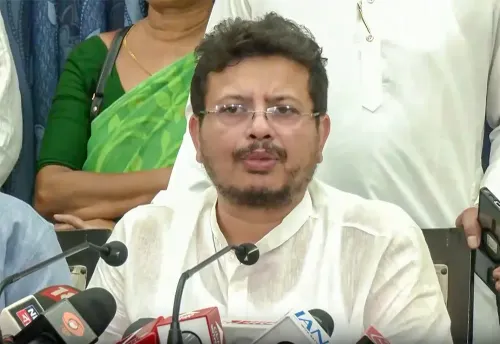
For the expelled Trinamool legislator Ritabrata Banerjee, the ECI ruling marked a striking transformation — from a relatively peripheral figure to the principal disruptive force against Mamata Banerjee, herself long regarded as West Bengal's foremost political disruptor. His camp was reportedly satisfied that the original name and twin florets symbol were withheld from Mamata, arguing that an award in her favour would have handed her a decisive symbolic — and legal — advantage going into the by-election.
Rebel MPs, Symbol Battle, and the Bigger Stakes
Separately, roughly 60 rebel Trinamool MLAs, 20 MPs, and a large cohort of leaders, workers, and supporters remain in a state of political limbo, awaiting the ECI's final verdict on party ownership. Several rebel Trinamool Lok Sabha members who joined the little-known Nationalist Citizens Party of India (NCPI) face a prolonged wait for official recognition from the Lok Sabha Speaker. The BJP has reportedly ruled out inducting additional Trinamool leaders into its ranks, though the rebel MPs have declared support for the ruling National Democratic Alliance (NDA) government led by Prime Minister Narendra Modi.
Under ECI rules, a reserved symbol belongs exclusively to a recognised political party for allotment to its contesting candidates. The final allotment of the twin florets — and with it, access to party funds and assets — will follow only once the commission formally determines which faction is the legitimate Trinamool Congress.
The Rise and Fracture of the Trinamool
The Trinamool Congress was founded on 1 January 1998, and its ascent under Mamata Banerjee culminated in breaking West Bengal's long-running Left Front bastion after the party ruled the state for 15 uninterrupted years. Over that period, Mamata became a political cult figure among supporters who often referred to the party as 'Tinamool' — a pronunciation quirk that entered the folklore of tea-stall debates and street-corner discussions across the state.
Over time, however, that reverence was tested by persistent allegations of misconduct and financial misappropriation within the party's ranks, contributing to what critics describe as the regime's eventual erosion and the current internal fracture. The by-election results on 6 October will offer the first electoral verdict on a divided Trinamool and a diminished but resilient Mamata Banerjee.
Point of View
The line between electoral administration and political warfare has rarely been thinner. The by-election results will not just pick a legislator; they will signal whether Mamata's political brand survives independently of its original name.
NationPress
18 Sept 2026
Frequently Asked Questions
Why does Mamata Banerjee not have a candidate in the Nandigram by-election?
Mamata Banerjee's nominated candidate for Nandigram, Sanchita Dey Pradhan, withdrew her nomination after meeting Chief Minister Suvendu Adhikari, and the deadline for filing new nominations had already passed. Mamata then announced support for Congress candidate Milan Pradhan, who was subsequently reported to have been arrested in a pre-existing case.
What did the Election Commission decide about the Trinamool Congress factions?
The ECI allotted distinct new names and symbols to the two rival factions: the Mamata-led group received the name 'Mamata All India Trinamool Congress' with the 'Football Player' symbol, while the Ritabrata Banerjee-led breakaway was registered as 'Democratic Trinamool Congress' with the 'Envelope' symbol. Neither faction was granted the original 'All India Trinamool Congress' name or the twin florets symbol, which will be awarded only after the commission determines which group is the legitimate party.
When is the Nandigram Assembly by-election scheduled?
The Nandigram Assembly by-election is scheduled for 6 October 2026. A second by-election in Rejinagar, Murshidabad, is also being held around the same time, with both factions of the divided Trinamool Congress contesting.
Who is Ritabrata Banerjee and why does he matter in the Trinamool split?
Ritabrata Banerjee is an expelled Trinamool Congress legislator who leads the breakaway 'Democratic Trinamool Congress' faction. The ECI's decision to grant his faction a separate name and symbol has elevated him into the primary institutionalised opposition to Mamata Banerjee within the Trinamool political space.
What happens to the original Trinamool Congress name, symbol, and party assets?
The original 'All India Trinamool Congress' name and the twin florets symbol remain in abeyance while the ECI determines which faction represents the legitimate party. Control of party funds and other assets will follow that ruling. Until then, both factions must contest under their newly assigned names and symbols.