Nandigram 2026: How Mamata Banerjee's launchpad became her graveyard
Synopsis
The constituency that gave Mamata Banerjee her 'Ma, Mati, Manush' moral platform in 2007 has now left her without even a candidate for its upcoming by-election. With her nominee withdrawing after meeting Chief Minister Suvendu Adhikari and her INDIA bloc fallback arrested, Nandigram's full-circle turn is the starkest symbol yet of how completely Bengal's political axis has shifted.
Key Takeaways
Nandigram by-election is scheduled for 6 October 2026 ; TMC candidate Sanchita Pradhan Dey withdrew after reportedly meeting Chief Minister Suvendu Adhikari .
In the 2021 Assembly elections , Suvendu Adhikari defeated Mamata Banerjee in Nandigram by 1,956 votes .
In April 2026 , Adhikari reportedly defeated Banerjee again — this time in her own Bhabanipur seat — and became Chief Minister of West Bengal .
The 14 March 2007 police firing in Nandigram killed at least 14 people and became the moral cornerstone of Mamata's campaign against the Left Front .
Congress candidate Milan Pradhan , backed by Mamata under the INDIA bloc, was subsequently arrested in connection with an old case, further derailing her Nandigram strategy.
Nandigram was central to the collapse of the Left Front after 34 years in power in 2011 .
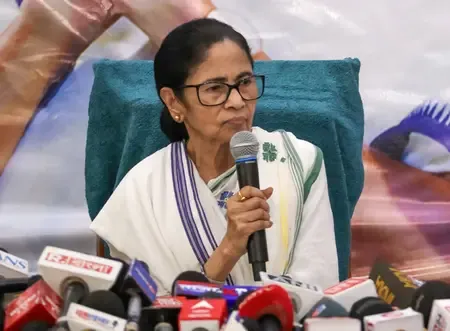
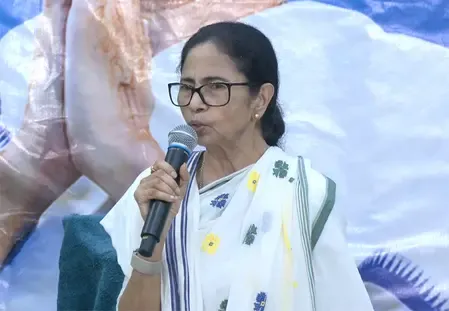
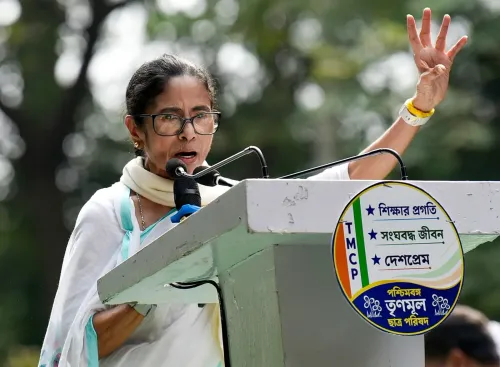
Nandigram, the constituency in West Bengal's Purba Medinipur district that once handed All India Trinamool Congress (TMC) founder Mamata Banerjee the moral ammunition to dismantle 34 years of Left rule, has now completed a brutal full circle — her candidate withdrew ahead of the 6 October by-election, leaving the former Chief Minister without even a nominee in the seat that made her.
How Nandigram Built Mamata Banerjee
The story begins in 2007, when the Left Front government led by Chief Minister Buddhadeb Bhattacharjee moved to acquire farmland in Nandigram for a Special Economic Zone (SEZ). Farmers, fearing displacement and the collapse of their livelihoods, rose in resistance that quickly swept across East Midnapore. The agitation found an organisational backbone in Suvendu Adhikari, then a close Mamata aide, who reportedly mobilised villagers and channelled grassroots anger into a sustained movement.
On 14 March 2007, the standoff reached a tragic climax when police opened fire on protesting villagers, killing at least 14 people and injuring scores more. The incident sent shockwaves across the state and handed Banerjee a powerful moral platform.
She fused Nandigram with the parallel agitation at Singur in Hooghly district — where Tata Motors' Nano factory project faced fierce farmer opposition — and wove both struggles into her rallying cry: "Ma, Mati, Manush" (Mother, Earth, People). The narrative cast her as the champion of the dispossessed against an authoritarian industrialisation drive. By 2011, that accumulated anger translated into electoral history: the Left Front fell after 34 years in power, and Mamata swept into the Chief Minister's chair.
The Adhikari Factor and the 2021 Shock
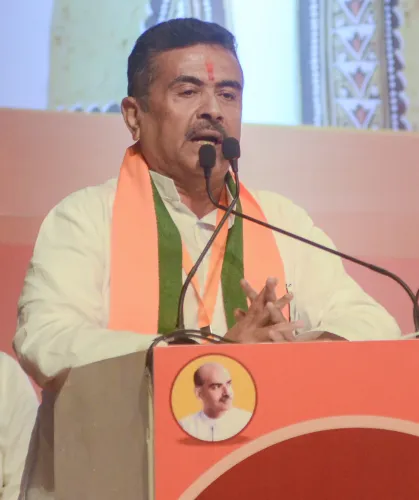
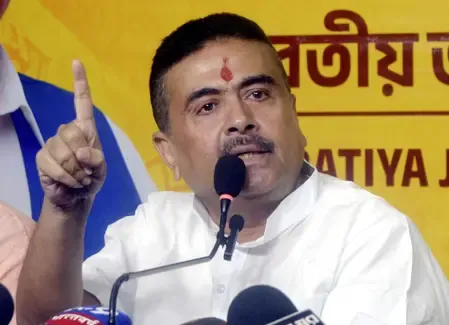
Suvendu Adhikari was elected MLA from Nandigram in 2016, consolidating a family dominance in East Midnapore that stretched back to his father, Sisir Adhikari — influential first in Congress, then in the Trinamool — and extended to his brothers. In 2020, however, Suvendu broke with the TMC leadership and crossed over to the Bharatiya Janata Party (BJP).
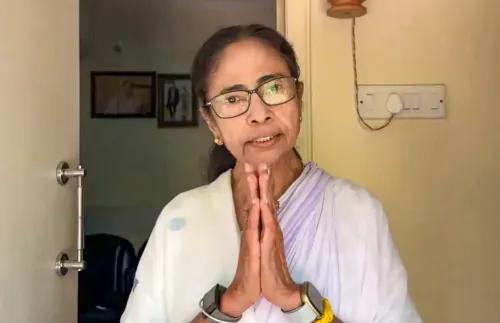
Mamata responded with her most audacious electoral gamble: in the 2021 Assembly elections, she vacated her safe Bhabanipur seat to contest Nandigram directly against Adhikari. The fight became a national spectacle, far larger than any single constituency battle. The result stunned the country — Suvendu defeated Banerjee by 1,956 votes, a margin that carried enormous symbolic weight given the seat's history. She retained her Chief Ministership through a subsequent Bhabanipur by-election, but the Nandigram defeat left a wound that never fully closed.
The 2026 Rout and the Candidate Crisis
Five years on, the wound has deepened. In this year's April 2026 Assembly elections, Suvendu Adhikari not only consolidated his own position but reportedly rose to Chief Minister of West Bengal, defeating Mamata Banerjee in the Bhabanipur constituency itself — the seat she had used to recover after the 2021 Nandigram loss.
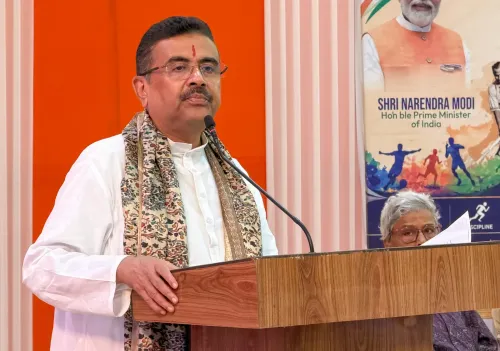
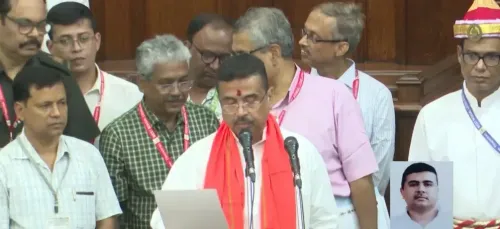
The electoral rout accelerated the TMC's internal fractures. Internal bickering, defections, and allegations of misrule and financial misappropriation further weakened Banerjee's faction. The latest blow came when her Nandigram by-election candidate, Sanchita Pradhan Dey, abruptly withdrew from the contest after reportedly meeting Chief Minister Suvendu Adhikari at his office — leaving Mamata without a nominee for the 6 October poll.
In a bid to salvage some presence in the seat, she announced support for Congress candidate Milan Pradhan as part of the INDIA bloc strategy. That too unravelled when Pradhan was subsequently arrested in connection with an old case, stripping the alliance of its Nandigram standard-bearer.
A Symbol Turned on Its Head
Nandigram's political arc mirrors West Bengal's own transformation. The constituency went from being the crucible of Mamata's rise to the stage of her most stinging reversal. Notably, the same Suvendu Adhikari who gave her movement its organisational spine in 2007 has been the instrument of her undoing at every subsequent turn — from the 2021 Assembly result to the 2026 Bhabanipur contest.
With no candidate in Nandigram and her INDIA bloc partner's nominee behind bars, Banerjee heads into the 6 October by-election as a bystander in the constituency that once defined her. How she — and what remains of the TMC — regroup from here will shape Bengal's opposition politics for years to come.
Point of View
Who helped construct that identity, has now used the same geography to dismantle it. The candidate withdrawal before the October 6 by-election is less a logistical failure than an admission of structural collapse: the TMC can no longer field and hold a candidate in the seat it claims as its spiritual home. The deeper question Bengal's opposition must now answer is whether a post-Mamata reorganisation is even possible, or whether Nandigram's symbolism has been permanently transferred to the other side.
NationPress
19 Sept 2026
Frequently Asked Questions
Why is Nandigram historically significant to Mamata Banerjee?
Nandigram is where the 2007 police firing on protesting farmers — which killed at least 14 people — gave Mamata Banerjee the moral platform she used to build her 'Ma, Mati, Manush' movement and eventually end 34 years of Left Front rule in 2011. It became the symbolic foundation of her political identity and her rise to the Chief Minister's chair.
What happened to the TMC candidate in the Nandigram 2026 by-election?
TMC candidate Sanchita Pradhan Dey withdrew from the October 6 by-election after reportedly meeting Chief Minister Suvendu Adhikari at his office. Her exit left Mamata Banerjee without a nominee in Nandigram, forcing her to back a Congress candidate under the INDIA bloc arrangement.
Who is Suvendu Adhikari and what is his connection to Nandigram?
Suvendu Adhikari was a close aide of Mamata Banerjee who reportedly mobilised villagers during the 2007 Nandigram agitation, giving the protest its organisational backbone. He was elected MLA from Nandigram in 2016, defeated Mamata there in 2021 by 1,956 votes after defecting to the BJP in 2020, and reportedly became Chief Minister of West Bengal following the April 2026 elections.
What happened to the Congress candidate backed by Mamata for the Nandigram by-election?
Congress candidate Milan Pradhan, whom Mamata supported as part of the INDIA bloc strategy after her own nominee withdrew, was arrested in connection with an old case. The arrest effectively left the anti-BJP space in Nandigram without a credible candidate ahead of the October 6 poll.
How has Nandigram's political significance changed between 2007 and 2026?
In 2007, Nandigram was the site of a police firing that fuelled Mamata Banerjee's rise to power. By 2021, it was where she suffered a symbolic electoral defeat to Suvendu Adhikari. In 2026, her candidate has withdrawn from the constituency's by-election entirely, marking a complete reversal — the seat that launched her career has become the clearest symbol of her political decline.