Rahul Gandhi's Indore 'Chhatron Ki Goonj': Congress flags venue, security hurdles
Synopsis
A day before Rahul Gandhi is set to address thousands of students in Indore, the Congress has gone public with allegations of state-sponsored obstruction — a disputed security note, a last-minute venue shift, and demands for extra payment from a civic body. With 1.5 lakh registrations, the fifth edition of 'Chhatron Ki Goonj' is the biggest yet, and the controversy around it is giving the event more political oxygen than the BJP likely intended.
Key Takeaways
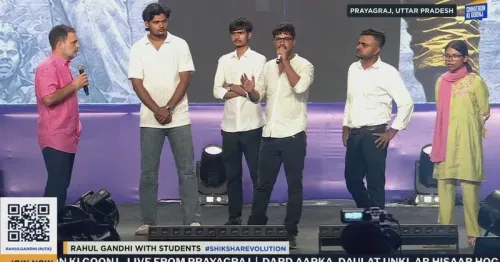
Rahul Gandhi is scheduled to address the 'Chhatron Ki Goonj' student outreach programme in Indore on Saturday, 19 September 2026 .
Congress MP Pawan Khera alleged organisational hurdles in Madhya Pradesh , including a security note referencing the assassination of former PM Rajiv Gandhi .
The venue was shifted from Jawaharlal Nehru Stadium to a ground near Regional Park ; the Indore Development Authority reportedly sought additional payment from the Congress.
This is the fifth edition of the student outreach series; over 1.5 lakh students have registered for the Indore event.
Leader of Opposition in the MP Assembly Umang Singhar also raised questions over the SPG protection withdrawal from the Gandhi family.
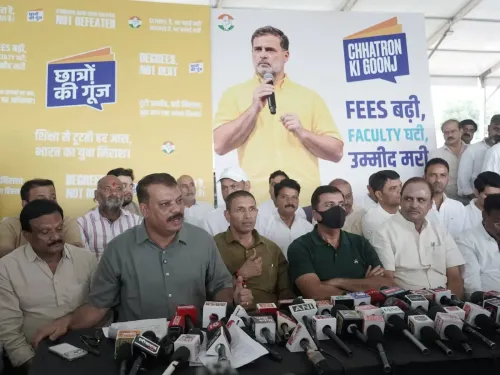
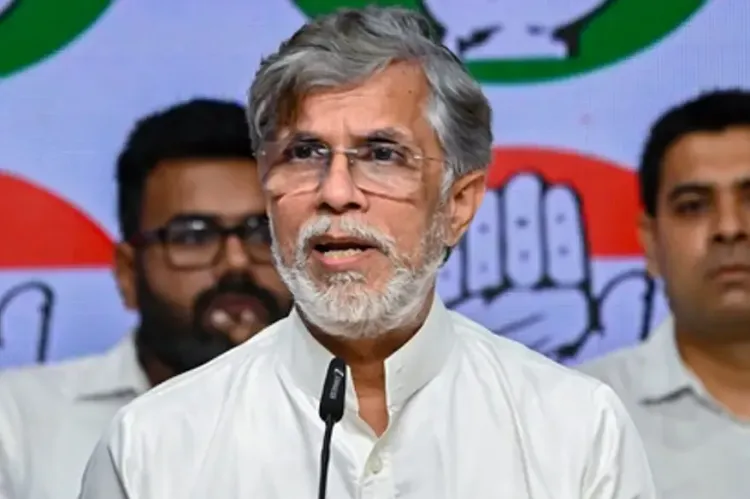
Congress MP Pawan Khera on Friday, 18 September 2026, raised sharp concerns over the obstacles the party has allegedly faced in organising Leader of the Opposition Rahul Gandhi's 'Chhatron Ki Goonj' student outreach programme in Indore, Madhya Pradesh — a day before Gandhi is scheduled to address the event. Khera also flagged a security-related note issued ahead of the visit and alleged a broader pattern of hurdles for the Congress in the BJP-governed state.
Security Note and Venue Disputes
Addressing a press conference in Indore, Khera drew attention to a security-related note issued in connection with Gandhi's visit, which had sparked controversy. He also highlighted the difficulties the Congress faced in finalising a venue. The programme was initially planned at Jawaharlal Nehru Stadium in Indore but was later shifted to a ground near Regional Park after the stadium could not be secured. The party subsequently obtained a temporary land allotment from the Indore Development Authority (IDA), though the civic body reportedly sought additional payment from the Congress for use of the ground — a development the party found contentious.
Khera Invokes Congress Tradition, Questions BJP's Conduct
Khera drew a pointed contrast with the Congress's own record in governance, recalling his time working in Bhopal between 1995 and 1998 under then-Chief Minister Digvijaya Singh. He noted that the Bharatiya Janata Party (BJP) had held a national executive meeting in Madhya Pradesh during Singh's tenure, and that the Congress had not only accommodated the event but also arranged meals for attendees. 'I have worked in this state when Digvijaya Singh was the Chief Minister... The BJP held a national executive meeting during Digvijaya Singh Ji's tenure. Digvijaya Singh Ji himself welcomed that executive meeting and even arranged for meals. I am telling you this tradition of the Congress,' Khera said.
On the security note referencing the assassination of former Prime Minister Rajiv Gandhi, Khera remarked, 'No, it was not as if the assassination of Rajiv Gandhi Ji was mentioned earlier in the four or five instances that occurred, but yes, difficulties were created.' The remark points to a pattern the Congress alleges is specific to the current political climate in Madhya Pradesh.
Student Issues at the Heart of the Programme
Khera stressed that the 'Chhatron Ki Goonj' event would spotlight concerns central to India's youth — among them unemployment, examination paper leaks, and delays in government recruitment. 'If you change the name, will their fate change? Will their situation change? Will paper leaks stop? Will people start getting jobs? I don't want to divert my attention from basic questions,' he said, pushing back against what he described as an attempt to dilute the programme's focus.
Fifth Edition, 1.5 Lakh Registrations
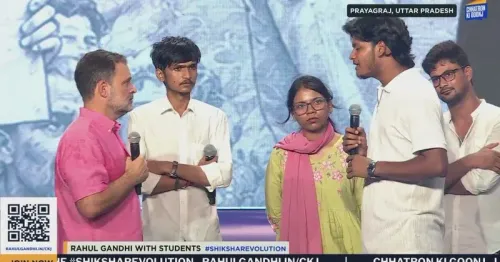
Former Madhya Pradesh Chief Minister Digvijaya Singh, who arrived in Indore on Friday, confirmed this is the fifth edition of Rahul Gandhi's student outreach initiative. 'This time he has chosen Indore. Indore is a major centre of education, and nearly one and a half lakh students have already registered themselves here. Hence, we are fully confident that this will be a successful programme,' Singh said. The strong registration numbers suggest significant youth interest in the event despite the organisational friction.
LoP in MP Assembly Also Raises Concerns
Leader of Opposition in the Madhya Pradesh Assembly, Umang Singhar, separately raised questions over the reference to the Verma Commission report concerning former Prime Minister Rajiv Gandhi, and questioned the withdrawal of SPG (Special Protection Group) protection from the Gandhi family — a move that has remained a long-running point of political contention between the Congress and the BJP-led Centre.
Rahul Gandhi is scheduled to address the 'Chhatron Ki Goonj' programme in Indore on Saturday, 19 September 2026, where he is expected to interact with students on education, employment, and recruitment. Whether the organisational turbulence dampens turnout — or galvanises it — will be closely watched.
Point of View
The bigger story may simply be the scale of youth engagement — which no venue dispute can obscure.
NationPress
19 Sept 2026
Frequently Asked Questions
What is the 'Chhatron Ki Goonj' programme in Indore?
'Chhatron Ki Goonj' is a student outreach initiative led by Leader of the Opposition Rahul Gandhi, now in its fifth edition. The Indore event, scheduled for 19 September 2026, is expected to focus on education, employment, and government recruitment, with over 1.5 lakh students registered to attend.
Why has the Congress raised concerns ahead of the Indore event?
The Congress alleges it faced hurdles organising the event in BJP-governed Madhya Pradesh, including a disputed security note referencing the assassination of former PM Rajiv Gandhi, a forced venue change from Jawaharlal Nehru Stadium to a ground near Regional Park, and an additional payment demand from the Indore Development Authority for use of the ground.
What did Pawan Khera say about past Congress governance in Madhya Pradesh?
Khera cited his own experience in Bhopal between 1995 and 1998 under then-CM Digvijaya Singh, noting that the Congress had welcomed and facilitated a BJP national executive meeting in the state at the time — a contrast he used to highlight what he described as the current government's less cooperative approach.
What is the controversy over SPG protection for the Gandhi family?
The Special Protection Group (SPG) cover was withdrawn from the Gandhi family by the Centre — a decision that has been a sustained point of political dispute between the Congress and the BJP. Madhya Pradesh Assembly Leader of Opposition Umang Singhar raised the issue afresh in connection with the security concerns around Gandhi's Indore visit.
How many students have registered for the Indore edition of 'Chhatron Ki Goonj'?
According to former Madhya Pradesh Chief Minister Digvijaya Singh, nearly 1.5 lakh students had registered for the Indore event as of Friday. Singh described Indore as a major education hub and expressed confidence the programme would be a success.